Namibia’s livestock industry is losing an estimated N$150 million a week in foregone business due to foot-and-mouth disease (FMD), while combined regional losses are estimated at N$30 billion, according to Namibia Agricultural Union (NAU) President Thinus Pretorius.
Pretorius said the outbreak and associated livestock movement and marketing restrictions were disrupting trade across the Southern African Development Community (SADC), threatening farmers’ incomes, employment and access to lucrative export markets.
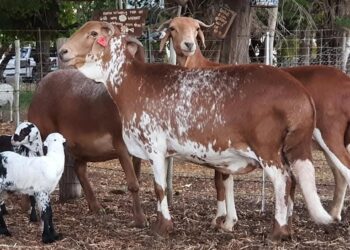
He said Namibia’s estimated weekly losses included N$118 million from cattle, N$26 million from sheep and N$6 million from goats, bringing the total to approximately N$655 million a month.
The industry also requires about N$230 million weekly to maintain farming operations, despite restrictions preventing producers from selling livestock.
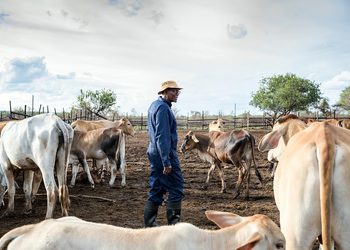
Pretorius said farmers continued to incur expenses for salaries, fodder, fuel, water pumping and other operational requirements while livestock marketing remained disrupted.
“We are at SADC trying to see how we are going forth to try and eliminate foot and mouth from the 29 million cattle in the region. And the combined loss is about 30 billion in what is FMD costing us,” Pretorius said.
He said the regional cattle population of approximately 29 million animals was exposed to the economic consequences of the disease, with losses extending beyond livestock producers to transporters, processors and other businesses dependent on the agricultural sector.
Pretorius said the Namibian government had allocated N$180 million towards combating FMD, an amount he contrasted with the industry’s estimated monthly losses of N$655 million.
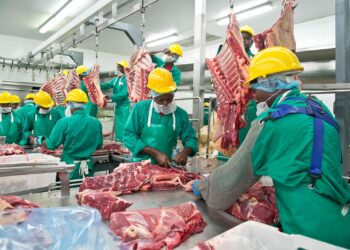
He warned that approximately 265,000 jobs were at stake as restrictions continued to affect livestock production, processing and marketing activities.
According to Pretorius, restoring export market access under veterinary requirements could have an estimated 5% to 6% impact on economic growth.
He said Namibia’s livestock industry was particularly vulnerable because approximately 94% of the country’s beef exports were destined for markets requiring FMD-free status without vaccination.
These markets include the European Union and Norway, which receive approximately 10,000 tonnes of Namibian beef.
Pretorius said losing access to these markets threatened the country’s ability to earn higher prices for beef and undermined investments made in expanding local livestock production.
He noted that Namibia’s feedlot industry had expanded significantly in recent years, growing from one feedlot six years ago to 63 feedlots registered with Meatco.
The expansion was partly supported by favourable export market conditions, which allowed Namibian livestock prices to exceed South African prices by as much as 30% over the past two years.
Pretorius said the higher prices had encouraged producers to invest in local feeding operations, making the interruption of export trade particularly damaging to the livestock value chain.
He warned that prolonged market restrictions could place further pressure on producers who had invested in feedlots and other infrastructure while continuing to carry operating costs without normal sales income.
The NAU president called for urgent measures to restore access to export markets and strengthen livestock zoning arrangements to protect areas unaffected by FMD.
He said effective zoning would be important in allowing livestock production and trade to continue in disease-free areas while containment measures were implemented in affected regions.
Pretorius also urged the industry to strengthen the small-stock value chain, particularly sheep and goat production, to reduce its dependence on beef exports and improve resilience against future market disruptions.
He said the economic consequences of FMD extended across the agricultural value chain, affecting farmers, employees, livestock transport operators, meat processors and businesses supplying goods and services to the sector.
Pretorius warned that restoring market access and containing the disease would be critical to limiting further financial losses and protecting the long-term viability of Namibia’s livestock industry.