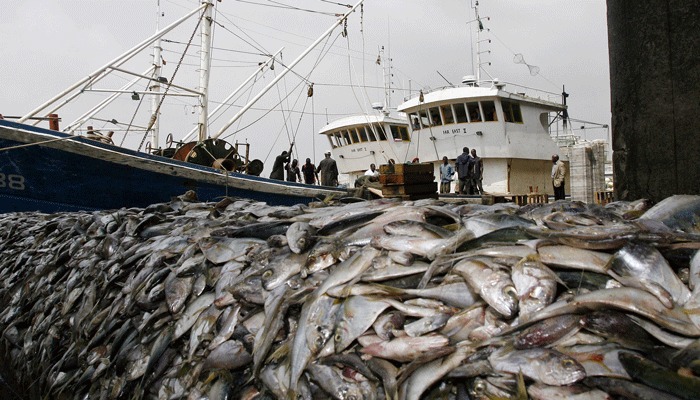
Government has reduced its hake fishing quota by 12.8% to 116,000 metric tonnes for the 2026/27 fishing season, down from 133,000 tonnes in the previous season, as the government continues to restrict catches to support the sustainability of the country’s marine resources.
The Cabinet-approved Total Allowable Catch (TAC) represents a reduction of 17,000 metric tonnes from the 2025/26 season and marks a further decline in the volume of hake that fishing operators are permitted to harvest.
Minister of Information and Communication Technology Emma Theofelus announced the decision, confirming that Cabinet had also approved a TAC of 180 metric tonnes for rock lobster for the 2026/27 season.
“The next Cabinet decision concerns the Total Allowable Catch (TAC) for hake for the 2026/27 fishing season, which has been set at 116,000 metric tonnes. The following decision concerns the Total Allowable Catch (TAC) for rock lobster for the 2026/27 fishing season. Cabinet has approved a catch limit of 180 metric tonnes for the season,” she said.
The latest hake allocation continues a downward trend in catch limits following recommendations by marine scientists to support the sustainable management of Namibia’s hake stocks.
During the 2025/26 fishing season, Cabinet approved a TAC of 133,000 metric tonnes, down from the 140,000 metric tonnes allocated for the 2024/25 season.
The 2024/25 allocation was a once-off catch limit covering the period from 1 November 2024 to 30 September 2025.
Compared with that allocation, the latest decision represents a cumulative reduction of 24,000 metric tonnes, equivalent to approximately 17.1%.
The successive reductions mean fishing operators will have a smaller total volume of hake available for harvesting during the coming season, with potential implications for fishing operations and processing volumes.
Meanwhile, Cabinet has maintained the rock lobster TAC at 180 metric tonnes, unchanged from the allocation approved for the 2024/25 fishing season.
The TAC system establishes the maximum quantity of each regulated fish species that may be harvested during a designated fishing season.
The limits form part of Namibia’s fisheries management framework, which seeks to balance commercial fishing activities with the long-term sustainability of marine resources.