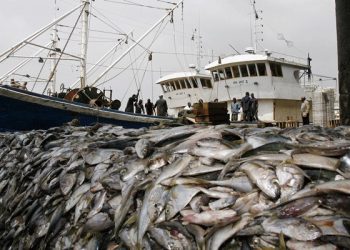
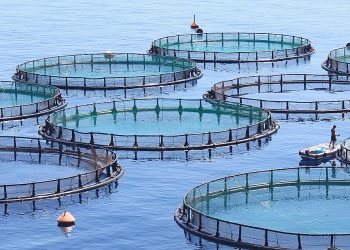
The government is pushing to improve access to affordable fish for Namibian households, amid concerns that communities, particularly in rural and inland areas, are not fully benefiting from the country’s fishing industry.
Deputy Minister of Agriculture, Fisheries, Water and Land Reform Ruthy Masake said the Namibian Fish Consumption Promotion Trust (NFCPT) must expand its domestic distribution network to ensure that the benefits of Namibia’s fisheries resources extend beyond export earnings and investment.
Speaking at the inauguration of the NFCPT Board of Trustees in Windhoek, Masake directed the newly appointed board to prioritise the establishment of at least three community fish markets in areas where affordable fish remains difficult to access.
The proposed markets are expected to bring fish closer to consumers, create employment opportunities and stimulate economic activity in underserved communities.
“During your tenure, I expect the Board to prioritise the establishment of at least three community fish markets, subject to appropriate feasibility assessments, resource availability and sound implementation planning,” Masake said.
“These markets should be strategically located to serve communities where access to affordable fish remains limited.”
Masake said the board must work with regional councils, local authorities and communities to identify suitable locations and ensure that the proposed markets address local needs.
She also called for urgent attention to fish transportation, storage and distribution challenges, particularly in communities located far from Namibia’s coastal fishing centres.
The Deputy Minister said the NFCPT should develop innovative and cost-effective distribution methods to increase domestic fish consumption and improve access to an important source of protein.
Although Namibia’s fishing industry contributes significantly to employment, investment, export earnings and livelihoods, Masake said greater efforts were needed to ensure that its benefits reached ordinary Namibians.
She said increasing fish consumption would help strengthen household food security, improve nutrition and promote healthier communities.
“Such an initiative would not only bring affordable fish closer to consumers, but could also create employment opportunities, stimulate local economic activity and strengthen the contribution of the fisheries sector to community development,” she said.
Masake also directed the board to establish clear targets, implementation timelines and performance indicators to ensure progress towards the proposed markets could be measured.
The NFCPT is expected to strengthen its community-level operations and improve the availability of affordable fish across the country.
The newly appointed board will be chaired by Lot Ndamonomhata, alongside Charlene Hartung, Olivia Shuuluka, Ndahalomwene Gotlieb and Wilfried Naibab, who was appointed in absentia.