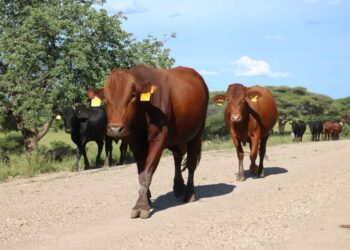
The Namibia National Farmers Union (NNFU) says communal farmers have yet to benefit from the proposed N$100 million Equalisation Fund, despite government announcements that funding would be made available to support livestock producers in the Northern Communal Areas (NCA).
NNFU President Adolf Muremi said farmers remained uncertain about the status of the allocation, how the money would be distributed and when the proposed support would reach producers.
He said farmers had initially been informed that N$100 million had been allocated to the fund, before receiving conflicting information suggesting that the money was intended for resettlement.
Muremi said the union was subsequently informed that the Ministry of Agriculture, Fisheries, Water and Land Reform had budgeted N$100 million for the Equalisation Fund, but no clear implementation arrangements had been communicated.
“Where is it today? If you ask any farmer from the communal area or north of the communal area, they will tell you that is just hearsay. We are not feeling it,” he said.
The union is proposing that the N$100 million be divided equally, with N$50 million allocated to operations in the Northern Communal Areas and the remaining N$50 million directed towards purchasing livestock from communal farmers.
Muremi said the proposed allocation would help address operational challenges while providing a market for livestock producers struggling to sell their animals.
He said the uncertainty surrounding the fund reflected broader concerns about government support programmes announced for communal farmers but not fully implemented, including community-based trade initiatives and livestock marketing interventions.
The union also raised concerns about livestock movement and marketing restrictions imposed following the foot-and-mouth disease (FMD) outbreak.
Muremi said the restrictions had prevented affected communal farmers from selling cattle and small livestock through auctions or to other producers, depriving households of income needed to pay school fees, purchase animal feed and cover veterinary expenses.
He warned that prolonged restrictions could increase pressure on grazing land and expose farmers to livestock losses as they struggled to access markets.
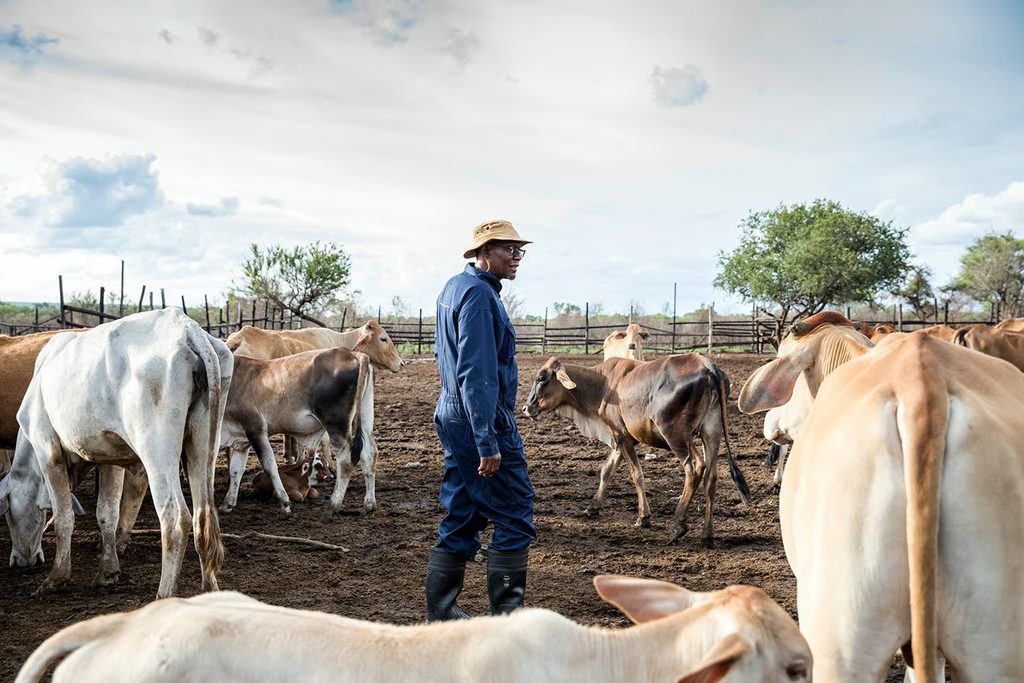
Muremi said communal farmers faced additional disadvantages because many lacked feedlots, isolation facilities and other infrastructure required to prepare livestock for sale.
He called for measures allowing animals from communal areas to be transported directly to abattoirs, alongside government support for farmers’ associations to establish feedlots and isolation facilities.
The NNFU also wants the Directorate of Veterinary Services to permit at least one livestock marketing day in affected areas to allow farmers to generate income while disease control measures remain in place.
Muremi further called on Meatco to increase livestock procurement from communal producers and urged the government to explore additional livestock markets, including South Africa, Angola, Ghana, Mauritius and Lesotho.
He also criticised the limited representation of communal farmers in national discussions on FMD control, saying the NNFU held only one seat on the national FMD task force despite the impact of restrictions on its members.
“Never undermine communal farmers that we don’t know what is best for ourselves,” Muremi said, calling for greater farmer participation in decisions affecting livestock production and marketing.
During the press conference, a union member said communal areas accounted for more than 70% of Namibia’s cattle and goats, but producers continued to face significant barriers to accessing livestock markets.
The member also raised concerns about delayed payments to grain farmers who had supplied produce to the Agricultural Marketing and Trade Agency (AMTA).
According to farmers, N$40 million had been facilitated through the Office of the Prime Minister for grain procurement, but some producers who delivered grain from September had yet to receive payment.
The union warned that the delays could affect farmers’ ability to purchase seed and fertiliser ahead of the 2026/27 planting season.
“We have reached the limit of the burden we cannot carry. If the situation persists, we will have no choice but to take the next step,” the union member said.
The NNFU is demanding clarity from the government on the status of the N$100 million Equalisation Fund, its proposed allocation between operational support and livestock procurement, and when communal farmers can expect to receive assistance.