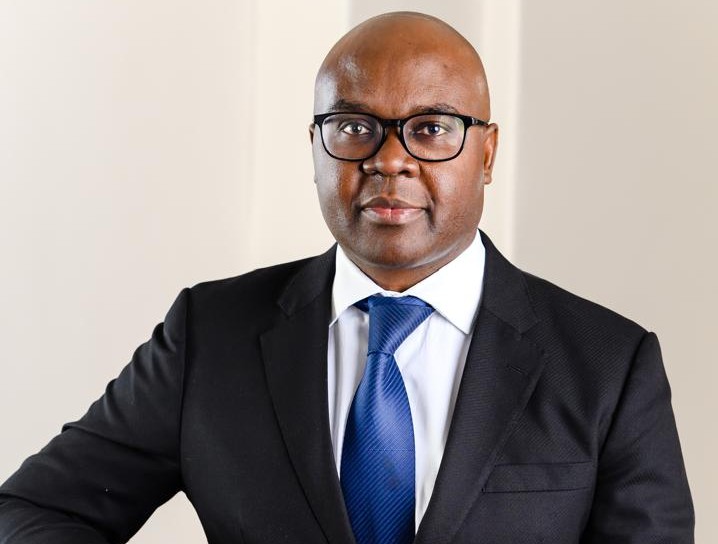
The Government Institutions Pension Fund (GIPF) plans to publish an investment readiness framework in February 2027 to address barriers preventing institutional capital from being invested in projects across Namibia.
GIPF Chief Executive Officer and Principal Officer Martin Inkumbi said the framework would outline measures to improve project preparation, address regulatory constraints and increase the number of investment opportunities that meet institutional financing requirements.
He said GIPF had committed N$28.2 billion to unlisted investments, of which N$23.1 billion had been invested, leaving approximately N$5.1 billion in committed capital yet to be deployed.
Inkumbi said the gap between committed and invested capital highlighted challenges facing project developers, particularly in infrastructure, where lengthy preparation processes, governance requirements and regulatory hurdles delay investment.
“A readiness framework that the GIPF will put together and will publish early in the new year, around February 2027. That will be the more refined outcome of the deliberations and the conversations that we have had here over the past two days,” Inkumbi said at the conclusion of the fund’s two-day Pension and Investment Symposium.
He said GIPF would engage regulators, government institutions and other strategic partners early next year to develop solutions to challenges identified during the symposium.
“We will convene also in the early next year with our strategic partners to focus on the regulation in the market machinery, and develop solutions from the points that have been identified from these discussions and highlighted in the framework,” he said.
Inkumbi said the availability of investment capital did not automatically translate into financing, as projects must meet institutional investors’ governance, risk and return requirements.
He said pension funds were required to safeguard members’ contributions and could not invest in projects that failed to meet the necessary standards.
The GIPF head also identified Namibia’s shortage of skilled professionals as a major obstacle to economic development and the preparation of bankable projects.
“The shortage of skilled human capital in our economy is perhaps a bigger hindrance to economic progress than the lack of financial capital,” Inkumbi said.
He said the symposium had focused on identifying the conditions required to attract institutional investment and the changes needed to ensure that available capital could be deployed into viable projects.
“We came here asking whether we are ready. We need to know exactly what readiness looks like, and the list of what we could do about it,” he said.
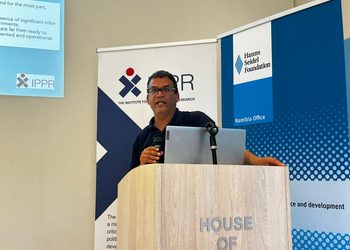
The symposium brought together government representatives, regulators, institutional investors, project developers and public-sector institutions to examine constraints affecting investment in Namibia.
Inkumbi said GIPF would use the proposed framework to monitor progress during 2027 and assess whether the interventions resulted in actual investment transactions.
The fund also plans to convene another symposium towards the end of 2027 to review progress and evaluate the implementation of the framework.
“Let us meet at the end of 2027, not only to take stock of discussions, but hopefully to talk about transactions that have been concluded and what we will be doing to make the environment much more ready for capital to flow into projects,” he said.