The Trans-Kalahari Railway Project linking Namibia and Botswana is expected to enter the contractor procurement phase in the 2027/28 financial year, more than a decade after the two countries signed an agreement to develop the cross-border railway corridor.
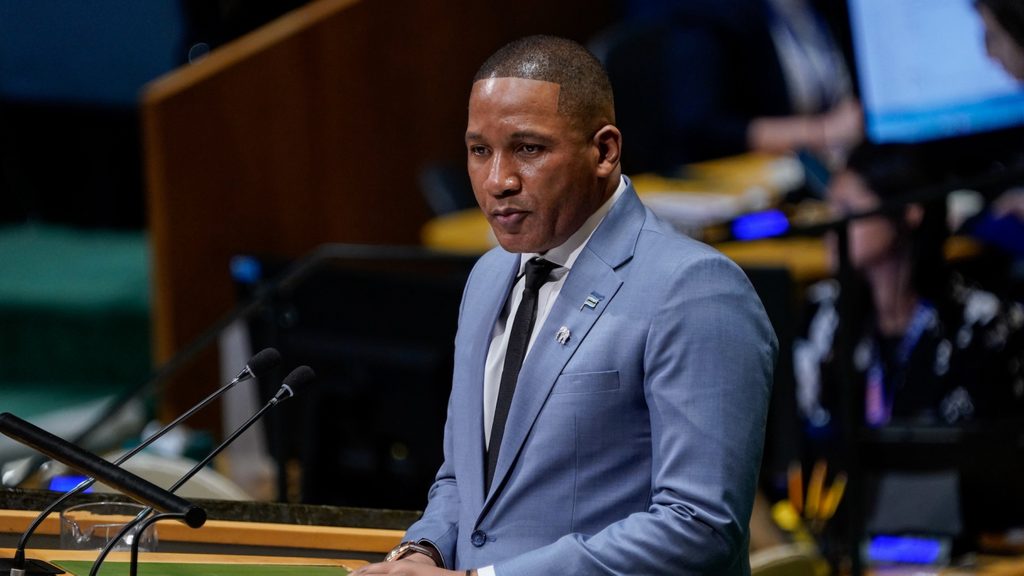
Botswana President Duma Boko announced the procurement timetable during his recent State of the Nation Address, following the completion of feasibility studies aimed at advancing the project towards construction.
The proposed 1,850-kilometre railway, which will link Botswana’s mineral-producing regions to Namibia’s Port of Walvis Bay, has remained at the planning stage despite years of bilateral commitments to its development.
“The railway project, which has been delayed for over a decade, is now being accelerated following the successful completion of both bankable feasibility studies this year. Procurement of contractors for both projects will take place during the 2027/28 financial year,” Boko said.
The announcement comes after the completion of a feasibility study in August 2026, which assessed the project’s technical and commercial viability, proposed route alignment, engineering requirements and potential implementation models.
The railway is expected to require approximately 1,025 kilometres of new track, alongside upgrades to 825 kilometres of existing railway infrastructure.
The planned corridor is intended to provide Botswana’s mining industry with a direct rail freight connection to Walvis Bay, facilitating the export of commodities such as copper, coal, manganese, soda ash and uranium.
For Namibia, the project is expected to increase cargo volumes through the Port of Walvis Bay and strengthen the country’s position as a transport and logistics gateway for landlocked Southern African economies.
The railway is also expected to reduce reliance on road transport for bulk mineral exports, potentially lowering logistics costs, easing pressure on regional highways and reducing freight-related emissions.
However, despite the completion of feasibility work, the project has yet to secure the financing and regulatory approvals required to begin construction.
The proposed railway has been under development since 2010, when Namibia and Botswana signed a Memorandum of Understanding to establish a cross-border rail connection.
The two governments subsequently signed a bilateral agreement in 2014, but implementation has remained delayed for more than a decade.
In 2022, both countries renewed their commitment to the project, identifying the railway as a strategic infrastructure development capable of improving regional trade connectivity and supporting mineral exports.
The completion of feasibility studies and the proposed 2027/28 contractor procurement timetable now provide a potential route towards implementation.
However, neither a confirmed construction start date nor a financing agreement has been announced.
The project remains dependent on the completion of procurement arrangements, financing negotiations and the necessary regulatory processes before construction can proceed.