Monday, October 5, 2026
Subscribe
The Brief | Namibia's Leading Business & Financial News
  • Home
  • Companies
    • Finance
    • Agriculture
    • Technology
    • Property
    • Trade
    • Tourism
  • Business & Economy
  • E-PAPERreader
  • Mining & Energy
  • Opinions
    • Analysis
    • Columnists
  • Africa
No Result
View All Result
The Brief | Namibia's Leading Business & Financial News
  • Home
  • Companies
    • Finance
    • Agriculture
    • Technology
    • Property
    • Trade
    • Tourism
  • Business & Economy
  • E-PAPERreader
  • Mining & Energy
  • Opinions
    • Analysis
    • Columnists
  • Africa
No Result
View All Result
The Brief | Namibia's Leading Business & Financial News
Subscribe
No Result
View All Result
Home namibia

Local council power networks emerge as weak link in Namibia’s electricity system

by reporter
August 24, 2026
in namibia
8
A A
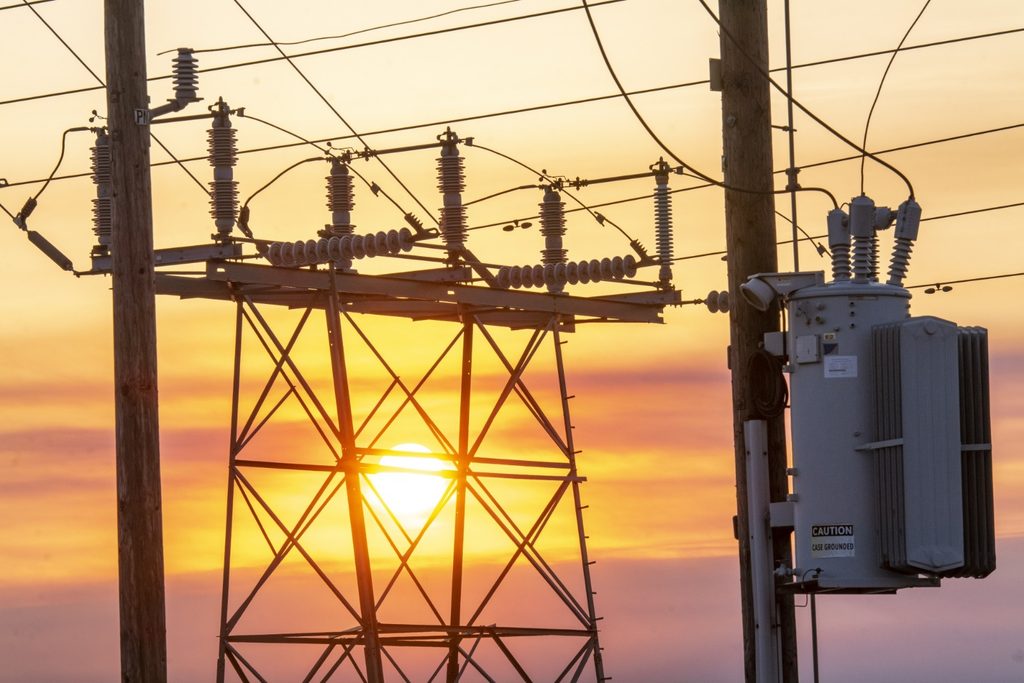
Electrical substation with transformers and hanging wires silhouetted against a sunset sky.

Electricity networks operated by local and regional councils have emerged as a major weak point in Namibia’s power distribution system, with the //Kharas, Hardap and Omaheke regions recording some of the most significant infrastructure concerns, according to the Electricity Control Board (ECB).

The ECB’s National Electricity Infrastructure Status Report for 2024/25 found that while Namibia’s overall electricity network remains in satisfactory condition, significant differences persist between the reliability and maintenance of nationally and locally managed infrastructure.

The assessment followed inspections across all 14 regions covering networks operated by NamPower, Regional Electricity Distributors (REDs), municipalities, town and village councils, regional councils, farmer schemes and mines.

“Where electricity is run by Local and Regional Councils rather than a RED, the networks generally fare worse. //Kharas Region had the most concerns, followed by Hardap and Omaheke Regions,” the report said.

Khomas, where the City of Windhoek manages the electricity network, and Otjozondjupa were identified as exceptions, with their networks maintained in good condition.

The findings expose a significant infrastructure gap between electricity networks managed by dedicated power utilities and those administered directly by councils.

NamPower’s high-voltage transmission network, which carries electricity over long distances and forms the backbone of the national power system, was assessed as well maintained and reliable.

RED-operated networks also generally performed better than council-run systems. CENORED was singled out for maintaining its network in good condition, while NORED continues to address several non-compliance issues.

“Overall, Namibia’s electricity network is in a satisfactory condition. The high voltage ‘backbone’ that carries power over long distances, and is run by NamPower, is well maintained and reliable. The bigger differences show closer to homes and businesses, in the networks that deliver electricity locally,” the report said.

The situation is more severe among farmer electricity schemes, where eight of the 13 schemes inspected, more than 60%, were rated poor and require urgent attention.

The ECB attributed the poor condition of the schemes largely to shortages of technical expertise, funding constraints and inadequate maintenance, noting that managing electricity infrastructure is not the farmers’ primary responsibility.

The findings raise concerns over the ability of some smaller electricity distributors to adequately maintain infrastructure as ageing networks and growing electricity demand place greater pressure on local systems.

The report also found that frequent electricity interruptions previously experienced in Tsumeb have been resolved following corrective maintenance and network improvement works.

The interventions included improved protection and fault-detection equipment, enhanced fault recording and analysis, additional safety systems and repairs to damaged wiring and equipment covers.

ECB Chief Executive Officer Robert Kahimise said the overall condition of the national electricity system remains sound, but weaknesses in locally managed networks require attention.

“The findings confirm that our electricity network is in good shape overall, and that gives us real comfort. At the same time, the report is honest about where the weak spots are, especially in areas where electricity is run by Local Councils rather than by a dedicated company,” Kahimise said.

“We will keep on monitoring such studies so that problems are spotted early and fixed before they affect people’s safety or their electricity supply.”

author avatar
reporter
See Full Bio
Previous Post

Letshego Namibia appoints Ashante Manetti as Chief Commercial Officer

Next Post

How to structure and diversify an investment portfolio: An educational guide using ETFs

Must Read

Vehicle sales rebound in February as Namibia records 1,165 units sold
namibia

Vehicle finance drives Namibia’s credit growth

October 2, 2026
A large crowd of people arranged to form the shape of a computer mouse cursor
Latest

Namibia’s population projected to reach 3.47 million by 2030

September 30, 2026
Three professional headshots in a collage: left man with dark hair and glasses, middle bald man smiling, right woman with blonde hair and red-framed glasses.
namibia

Skeleton Basin appoints Mertens, Shikongo and Venner to board

September 28, 2026
Roads Authority plans to regulate driving schools
namibia

Govt cracks down on unqualified instructors, unsafe vehicles at driving schools

August 24, 2026
Arid landscape with reddish soil, scattered green trees, and a distant road under a clear blue sky.
namibia

Namibia lands Africa’s largest biomass carbon removal deal

August 18, 2026
Professional headshot: smiling man in a black suit, white shirt, and red tie, wearing rectangular glasses against a white background.
namibia

NUST appoints Frednard Gideon as substantive Vice Chancellor

April 29, 2026
Load More

Related News

Two side-by-side portraits of a man in a suit: left indoors against a pale wall, right outdoors by a river with a bridge in the background.

Financial inclusion alone will not build the Namibia we want

July 26, 2026
Namibia enters COVID-19 5th wave

Namibia enters COVID-19 5th wave

May 22, 2022
Labour Commissioner deregisters 8 non-compliant unions

Labour Commissioner deregisters 8 non-compliant unions

May 3, 2024

Browse by Category

  • Africa
  • Agriculture
  • Analysis
  • Business & Economy
  • Columnists
  • Companies
  • e-edition
  • Finance
  • Finance
  • Fisheries
  • Green Hydrogen
  • Health
  • Investing
  • Latest
  • Market
  • Mining & Energy
  • Namibia
  • namibia
  • News
  • Opinions
  • Property
  • Retail
  • Technology
  • Tourism
  • Trade
The Brief | Namibia's Leading Business & Financial News

The Brief is Namibia's leading daily business, finance and economic news publication.

CATEGORIES

  • Business & Economy
  • Companies
    • Agriculture
    • Finance
    • Fisheries
    • Health
    • Property
    • Retail
    • Technology
    • Tourism
    • Trade
  • e-edition
  • Finance
  • Green Hydrogen
  • Investing
  • Latest
  • Market
  • Mining & Energy
  • namibia
  • News
    • Africa
    • Namibia
  • Opinions
    • Analysis
    • Columnists

CONTACT US

Cell: +264814612969

Email: newsdesk@thebrief.com.na

© 2026 The Brief | All Rights Reserved. Namibian Business News, Current Affairs, Analysis and Commentary

Welcome Back!

Login to your account below

Forgotten Password?

Retrieve your password

Please enter your username or email address to reset your password.

Log In
No Result
View All Result
  • Home
  • Companies
  • Mining & Energy
  • Business & Economy
  • Opinions
    • Analysis
    • Columnists
  • Africa

© 2026 The Brief | All Rights Reserved. Namibian Business News, Current Affairs, Analysis and Commentary

This website uses cookies. By continuing to use this website you are giving consent to cookies being used. Visit our Privacy and Cookie Policy.