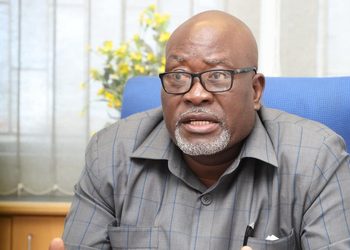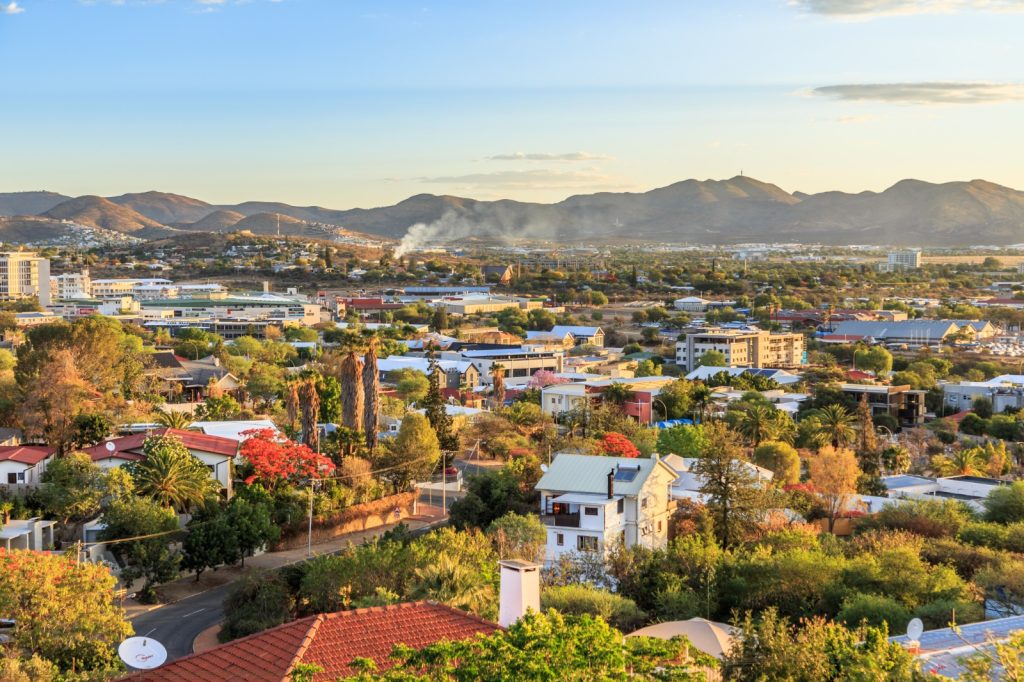
The City of Windhoek has approved more than 11,500 building plans over the past five years, with a combined value nearing N$10 billion, the Strategic Executive for Urban and Transport Planning, Pierre van Rensburg, has revealed.
“In terms of building activity, the department approved 11,500 building plans over the past five years. The combined value of these plans is estimated at N$10 billion, reflecting a significant direct contribution to the construction sector and overall economic activity in Windhoek,” van Rensburg said.
He explained that these approvals cover a wide range of developments, including residential buildings, commercial complexes and public infrastructure projects.
Van Rensburg emphasised that every plan undergoes a review process to ensure it meets safety and technical standards set by the municipality before any physical work begins.
To improve efficiency, he said the city is piloting an online building plan submission system.
“Internal testing has shown positive results, with successful processing of several applications,” van Rensburg added.
He noted that the system is currently undergoing final acceptance testing and, once operational, will allow applicants—especially architects and drafters—to submit plans digitally, pay online, and track their applications in real time.
This, he said, is expected to reduce in-person visits to municipal offices and improve transparency.
“All approved developments are subject to rigorous internal checks to confirm compliance with engineering and safety regulations, especially in roadworks, flood management, and structural integrity,” van Rensburg said.
He also highlighted key urban planning developments over the period, including the integration of Groot Aub into the city’s formal planning system through a dedicated development plan.
He added that the Windhoek Zoning Scheme review has been approved by Council and is now awaiting ministerial sign-off.
“The key updates include new zonings such as Agriculture, Mining, Mixed Land Use, Local Business, Light Industrial, and additional land use options like Urban Agriculture to promote economic development,” van Rensburg explained.