Namibia’s new vehicle sales declined by 6.2% year on year to 1,188 units in October 2026, ending 18 consecutive months of annual growth, as a sharp drop in Toyota registrations weighed on the market, according to Simonis Storm Securities.
The October figure was also 20.7% lower than the 1,498 vehicles sold in September, although cumulative sales for the first 10 months of 2026 increased by 10.6% to 13,453 units.
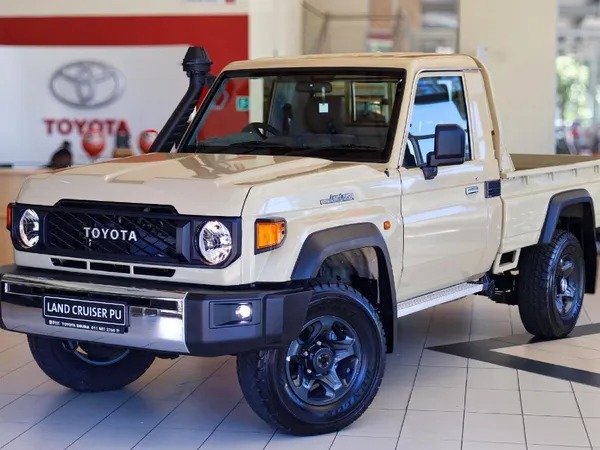
Simonis Storm said the decline was largely driven by Toyota, which recorded 637 registrations compared with 743 in October 2025, a reduction of 106 vehicles.
The decrease exceeded the overall market’s year-on-year decline of 79 vehicles, while registrations across all other brands increased by 5.2% to 551 units.
“Toyota registered 637 units against 743 a year ago, a fall of 106 units that is larger than the market’s entire decline of 79. Every other brand combined sold 551 units, up 5.2%. Toyota’s share of the market slipped to 53.6% from 58.6% in October 2025,” Simonis Storm said.
The research firm attributed much of Toyota’s decline to weaker registrations of its smaller passenger vehicle models, particularly the Urban Cruiser, Starlet and Vitz.
Combined registrations for the three models fell from 111 units in October 2025 to 46 units in October 2026, while Corolla Cross registrations declined by 21 units.
Simonis Storm said the reduction could reflect regional stock allocation and supply timing rather than a broader decline in demand, citing stronger small-vehicle sales in South Africa and increased registrations among competing brands in Namibia.
Passenger vehicle registrations fell by 10.6% year on year to 490 units, while light commercial vehicle sales declined by 2.7% to 619 units.
Registrations of medium and heavy commercial vehicles and buses decreased by 4.8% to 79 units.
The contraction contrasted with South Africa’s vehicle market, which expanded by 10.4% to 61,890 units during the same month.
Despite the October decline, Namibia’s commercial vehicle market maintained positive growth over the first 10 months of the year.
Light commercial vehicle registrations increased by 11.2% to 6,347 units, while combined medium, heavy and bus registrations rose by 25.5% to 995 units.
Extra-heavy truck registrations increased by 35.8% to 497 units, heavy truck sales rose by 47% to 194 units and medium truck registrations grew by 2.6% to 279 units.
Vehicle sales outside Windhoek also continued to grow faster than those in the capital.
Between January and October, registrations outside Windhoek increased by 18.4% year on year to 5,030 units, compared with a 7% increase in Windhoek to 8,423 units.
However, October registrations in Windhoek declined by 8.2%, while the rest of the country recorded a smaller contraction of 2.3%.
Simonis Storm said the latest figures pointed to weakening underlying market momentum, with seasonally adjusted sales falling to 1,179 units in October, the lowest level since February 2026.
After adjusting for one fewer selling day compared with October 2025, vehicle registrations were down by 2%.
The firm nevertheless said the market remained above its longer-term recovery levels, with rolling 12-month sales reaching 15,833 units, representing a 112% increase from the December 2020 low.
Simonis Storm has revised its 2026 vehicle sales forecast to between 15,800 and 16,300 units, with a central projection of 16,050 units, equivalent to annual growth of 10.3%.
Achieving the central forecast would require 2,597 vehicle registrations in November and December combined, representing a 9.1% increase over the corresponding period in 2025.
The firm identified a potential recovery in Toyota’s entry-level vehicle stock, year-end bonuses and rental fleet replenishment as factors that could support sales during the final two months of the year.
However, higher fuel prices and vehicle financing costs are expected to weigh on demand, particularly among lower-income buyers.