… N$8.8m Central Hospital Market and Taxi Rank to accommodate 50 traders
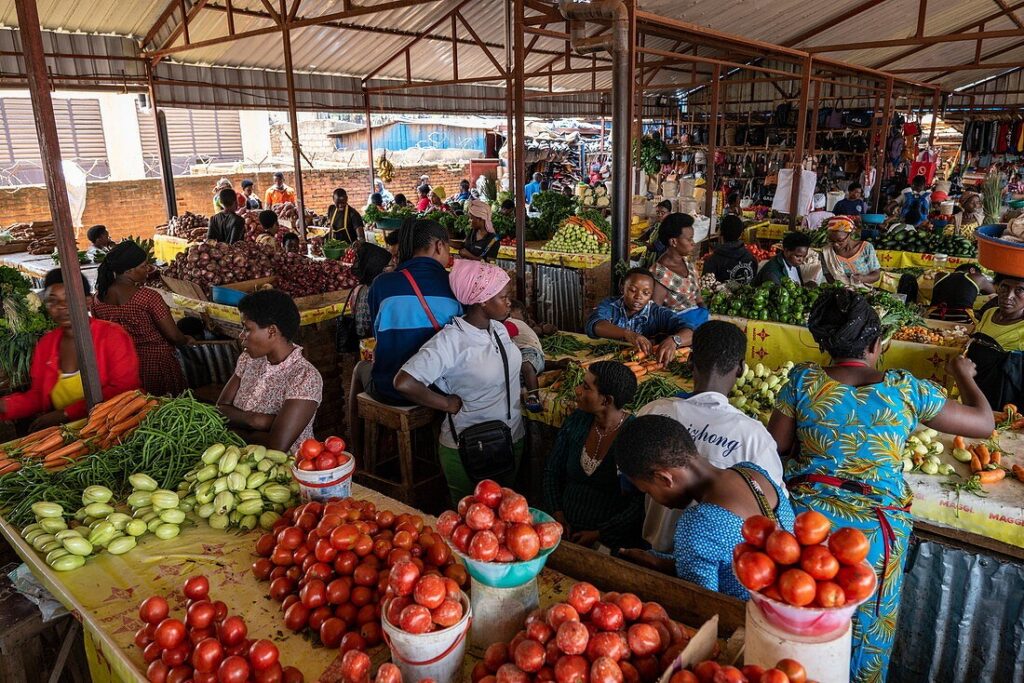
The City of Windhoek plans to develop 24 additional informal markets with the potential to create 55,200 direct and indirect employment opportunities, as the municipality seeks to expand trading infrastructure and support small businesses in the capital.
The proposed developments are expected to accommodate 1,320 additional traders, with the municipality projecting 11,000 direct jobs and 44,200 indirect employment opportunities.
City of Windhoek Chief Executive Officer Moses Matyayi revealed the plans during a briefing to two National Assembly standing committees, outlining the municipality’s strategy to expand economic participation through improved informal trading facilities.
“The strategy identifies 24 additional markets that could accommodate 1,320 traders,” Matyayi said.
The projected employment opportunities are dependent on the implementation of the planned developments and have not yet materialised.
Windhoek currently has 18 formal markets accommodating approximately 1,430 registered traders, with demand for trading space continuing to grow.
Among the planned developments is the N$8.8 million Central Hospital Market and Taxi Rank, which will accommodate 50 traders. Construction is expected to begin following the site’s handover in October.
The municipality is also developing a N$4.7 million market at Erf 7203, opposite Shoprite, with capacity for 46 traders.
The project has secured N$3.2 million in funding from Debmarine Namibia, while the site has already been handed over to a contractor. Completion is expected by December 2026.
Another development is the N$15 million Truckport/Woodcarvers Market, where market designs have been completed and access road designs are underway.
In Havana, the municipality plans to develop a market accommodating approximately 350 traders as it works to relocate informal businesses operating near the four-way stop to allow completion of the Aneas Peter Nanyemba Road.
The number of traders in the area has increased from the initial provision for 88 to approximately 350, highlighting growing demand for designated trading facilities.
“The city is continuing with the relocation of the remaining informal traders to facilitate the completion of the Aneas Peter Nanyemba Road,” the municipality said.
Other projects include the redevelopment of Tukonjani Market at an estimated N$3.5 million and the refurbishment of Herero Mall in Katutura Central at a projected cost of N$25 million.
The municipality also operates four industrial trading facilities in northern and southern Windhoek, accommodating approximately 120 registered traders, while the Bokamoso Business Incubation Centre supports around 37 entrepreneurs.
In addition to expanding market infrastructure, the city trained approximately 220 entrepreneurs during 2025 and 2026 in business planning, financial planning and accessing funding.
The municipality said these interventions were intended to strengthen small business development and improve the sustainability of informal enterprises.
However, Matyayi warned that rapid rural-to-urban migration was increasing demand for municipal infrastructure and services, placing pressure on the city’s resources.
“Rapid rural-to-urban migration continues to place pressure on the City’s capacity to provide services,” he said.
He called for increased central government support in delivering social services and reiterated the need for a sustainable funding allocation model for local authorities.
The briefing was presented to the National Assembly Standing Committee on Economy and Industry, Public Administration and Planning, chaired by Iipumbu Shiimi, and the Standing Committee on Urban, Rural Development and Land Reform, chaired by Clemencia Coetzee.
The proposed market developments are expected to expand trading capacity and support employment creation, although the municipality has not specified when all 24 markets will be completed or the total investment required for the programme.