Namibia’s persistently high unemployment rate is being driven by slow economic transformation, with limited industrial development and skills mismatches preventing the economy from creating sufficient jobs, according to the National Planning Commission (NPC).
NPC Deputy Executive Director for Macroeconomic Planning, Sylvester Mbangu, said the country’s economic structure has failed to shift towards manufacturing and other productive industries capable of absorbing unemployed workers and creating higher-paying jobs.
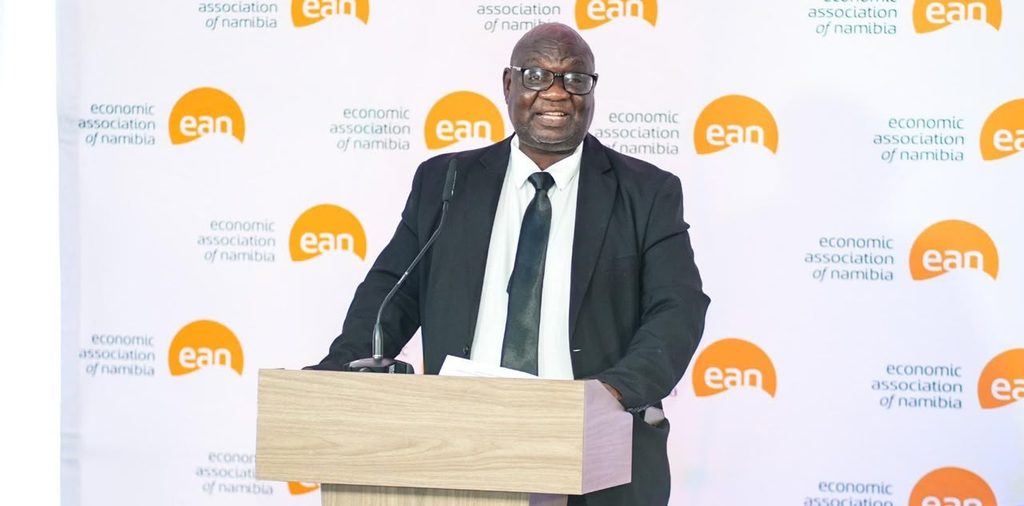
Speaking at the Economic Association of Namibia’s public discussion on national skills and employment on Wednesday, Mbangu said Namibia’s development trajectory has differed from that of industrialised and industrialising economies.
“Namibia’s stubborn high unemployment is explained, to a greater extent, in my opinion, by the country’s economic structural transformation, which is very slow and has not followed the classical development path observed in many industrialised or industrialising economies,” he said.
Mbangu said secondary industries, particularly manufacturing, contribute approximately 15% to Namibia’s economy, a share that has remained largely unchanged over the years.
He noted that the limited growth of manufacturing has restricted the economy’s capacity to create jobs for workers moving out of agriculture and other primary industries.
“There has been a slight shift of labour from primary industries. Despite the primary industry employing a larger part of our labour force, it is shedding employment. And where are they going? They are not going into the secondary industry, but into the tertiary industry,” he said.
Mbangu said the shift towards services has largely resulted in workers taking up low-paying employment rather than moving into higher-skilled occupations.
“Unfortunately, even when they move into these tertiary industries, they are going into low-paid jobs in wholesale and retail trade and some related industries. They are not going into highly skilled sectors,” he said.
He explained that although the services sector accounts for a significant share of Namibia’s economic activity, it remains dominated by non-tradable activities, including public services, rather than industries capable of generating stronger productive growth.
Mbangu further linked the country’s slow industrial development to weaknesses in technical and innovation skills, saying the economy has not created sufficient opportunities for workers to develop and apply specialised capabilities.
He said these structural weaknesses have contributed to a mismatch between the skills available in the labour market and those required to support industrial expansion.
According to Mbangu, reducing unemployment will require greater investment in manufacturing and other productive sectors, supported by training that equips Namibians with relevant technical and employability skills.
He maintained that skills development alone would not resolve the unemployment challenge without corresponding changes in the structure of the economy.
The discussion, held under the theme Understanding Employer Skills Across Sectors, focused on the skills required by employers and the economic factors affecting Namibia’s ability to generate employment.