More women than men in Namibia are financially included, placing the country ahead of several African economies where women continue to face greater barriers to accessing and using banking services.
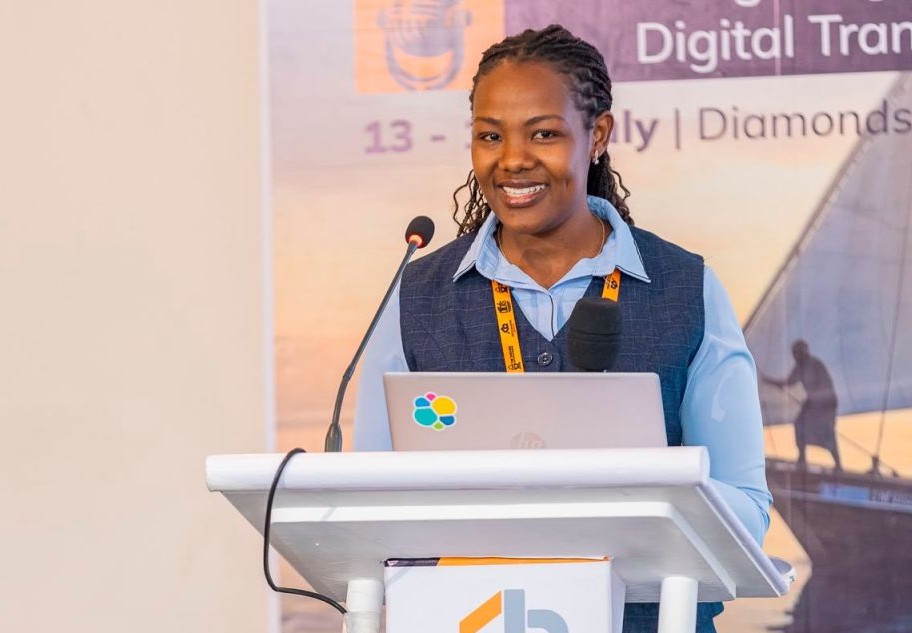
Christine Waita, Manager of Data and Compliance at the Kenya Bankers Association, said Namibia stood out because women had overtaken men in financial inclusion, reversing a trend commonly observed across the continent.
Speaking at the 3rd Africa Credit and Risk Reporting Conference in Windhoek, Waita said the development showed that Namibia had made progress in expanding women’s participation in the financial system.
“We have a lot to learn from Namibia about how they achieved this, because it is a very unique case,” Waita said.
Financial inclusion refers to people’s ability to access and use financial services such as bank accounts, savings products, loans and insurance.
Namibia’s performance means women are ahead of men on the financial inclusion measure discussed at the conference, although Waita did not provide the country’s exact figures.
She said the situation differed from countries such as Kenya and Rwanda, where men continued to use bank accounts at higher rates than women.
According to Waita, the gender gap in bank account usage stood at approximately 12 percentage points in Kenya and 10 percentage points in Rwanda, compared with around three percentage points globally.
“Next, when you look at financial depth, here I am using the usage of bank accounts as the proxy, the story is the same: women are left behind. The gap ranges from about 3 percentage points in the world index to 12 points in Kenya, 10 in Rwanda, and so on. But again, Namibia seems to be ahead,” she said.
However, Waita warned that having access to financial services did not necessarily mean women were financially secure.
She said women across several African countries continued to struggle with saving money, accessing credit and building emergency funds to cover unexpected expenses.
“When you look deeper into financial inclusion, not just access but savings, the story repeats itself. Financial health is about how individuals save and manage shocks,” she said.
Waita explained that men in several African economies were generally better positioned to save money and cope with financial emergencies because they were more likely to have savings available.
She also raised concerns about the difficulties faced by women-owned small businesses in obtaining financing, saying limited access to credit affected their ability to expand and create economic opportunities.
Waita urged financial institutions to collect more detailed information on how men and women use financial services to identify areas where customers remained underserved.
She said Namibia’s progress could provide lessons for other African countries seeking to improve women’s access to banking and other financial products.
However, she stressed that financial inclusion should be measured beyond the number of people with bank accounts.
Waita said the real test was whether access to financial services helped people save more, obtain financing, manage unexpected expenses and improve their living standards.