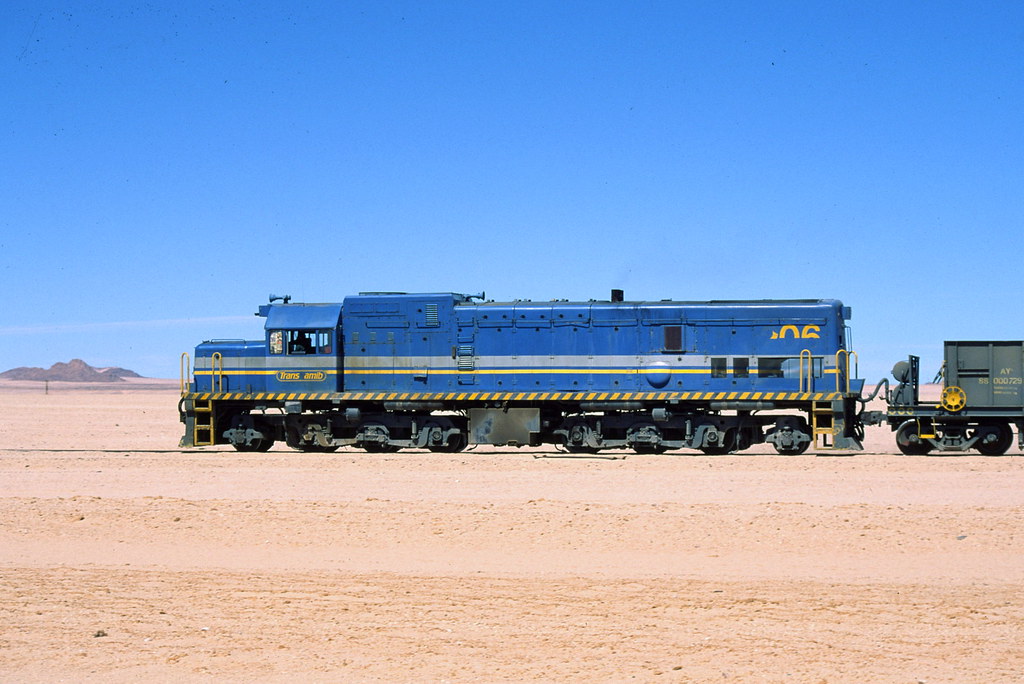
TransNamib plans to introduce a digital rail system that will enable real-time tracking of trains and cargo as the national railway operator moves to improve operational efficiency and safety across its network.
TransNamib Executive for Technology and Innovation Ruben Francisco said the planned digitalisation would allow the company and its customers to track cargo locations, train movements, speeds and operational status, reducing reliance on manual tracking and telephone communication.
“To know where your goods are at any given point, we need what we call digitalisation. A digitalised train system requires the collection of substantial amounts of data. It should provide information on a train’s location, movements, cargo and speed,” Francisco said at the 9th National ICT Summit.
“This data must then be processed and interpreted into useful information. Fortunately, Namibia has technology companies working to help us achieve this.”
TransNamib is also looking to introduce modern signalling technology to improve the management of train movements and reduce accidents at railway crossings.
Francisco said the size and momentum of trains make it difficult for locomotives to stop quickly when motorists or pedestrians enter railway crossings.
“A train carries considerable momentum and takes time to stop. This can result in serious accidents when motorists or pedestrians cross the tracks without taking the necessary precautions,” he said.
“Modern technology could help improve rail traffic management and reduce incidents at railway crossings. As we prepare for digitalisation, we must also adopt enterprise governance of information technology (IT) to manage, control and interpret data effectively.”
The railway operator said the digital transformation of its network will require investment in supporting infrastructure, including fibre-optic connectivity, and stronger cooperation between government, telecommunications operators and private investors.
TransNamib also sees improved technology and rail efficiency as part of efforts to shift more freight from Namibia’s roads onto the railway network.
The company said more efficient rail freight could reduce the number of heavy trucks on national roads, limit road infrastructure damage and reduce accident risks while improving the movement of goods across the country.