Companies that fail to pay Namibia’s national minimum wage should be disqualified from government tenders, with labour experts warning that weak enforcement allows non-compliant employers to benefit from public contracts while underpaying workers.
Public policy analyst Marius Kudumo and labour relations expert Herbert Jauch have called on the government to make compliance with minimum wage legislation a mandatory requirement for companies seeking public contracts.
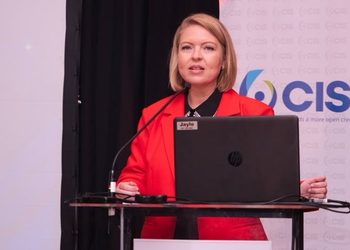
Speaking at the Institute of People Management (IPM) Namibia’s 2026 Annual Conference, Kudumo said employers who could afford to pay the prescribed minimum wage were among those failing to comply with the law.
“The most offenders of not meeting the minimum wage are the middle class. It is not the people that cannot afford,” Kudumo said.
He questioned why companies that failed to meet their legal wage obligations should continue qualifying for government tenders, arguing that public procurement should be used to enforce compliance with labour legislation.
Kudumo said stronger monitoring and enforcement mechanisms were necessary to ensure that employers paid workers the prescribed minimum wage.
He also called for regular reviews of the minimum wage and adequate notice before adjustments were implemented, allowing businesses sufficient time to prepare.
Jauch backed the proposal to exclude non-compliant companies from government procurement, saying employers who violated minimum wage requirements should face consequences beyond existing enforcement measures.
“We need to take a legal instrument step, if you don’t pay that, you’re out of the process. You should be out of the country,” Jauch said.
He argued that allowing companies that underpaid workers to compete for government contracts disadvantaged businesses that complied with labour laws.
Jauch said minimum wage enforcement should be treated as a worker protection issue rather than solely a cost consideration for employers.
He warned that workers earning below what was required to meet basic household needs faced financial pressure that affected their families and overall well-being.
“When you pay below what people need to meet basic needs, they are constantly preoccupied with how to deal with that pressure, all kinds of stress relating to the stress of not having enough money to meet your basic needs to send your kids to school,” he said.
Meanwhile, Employment Equity Commission review panel chairperson and commissioner Libonina Rosco Nawa said minimum wage implementation required better planning and consultation to allow employers to adjust their operations and budgets.
Nawa cited a reported compliance rate of approximately 92% in the commerce sector, although some employers had applied for exemptions.
He said future minimum wage adjustments should be introduced through a more structured process, with adequate preparation periods and engagement with affected businesses.
The calls were made during discussions at the IPM Namibia conference on strengthening labour law compliance and ensuring that minimum wage requirements were effectively enforced.
Kudumo and Jauch maintained that linking government tender eligibility to minimum wage compliance would strengthen accountability and prevent companies that violated labour laws from benefiting from public funds.