The Namibian government has warned that collusion, exclusionary business practices and barriers to market entry could prevent local businesses from benefiting from major investments in the mining, energy and other productive sectors.
Deputy Minister of International Relations and Trade Jenelly Matundu said stronger competition policies were necessary to prevent economic opportunities from being concentrated among a limited number of businesses and to ensure smaller enterprises could compete for contracts.
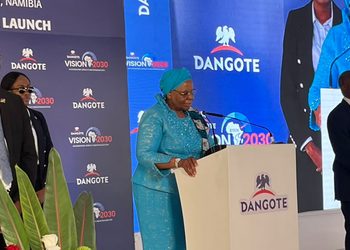
Speaking during the 2026 African Competition Forum (ACF) Biennial Conference in Namibia, Matundu said major investments presented opportunities for local suppliers and service providers, but their participation depended on fair market conditions.
“For Namibia, this question has particular significance as we pursue industrial development and opportunities in mining, energy and other productive sectors. Major investments can create opportunities for local suppliers, service providers and smaller enterprises. Turning those opportunities into lasting economic participation requires attention to how markets are structured and how businesses gain access to them,” she said.
Matundu, who delivered a statement on behalf of the Minister of Industries, Mines and Energy, said policymakers needed to address market structures and practices that prevented capable businesses from competing for investment opportunities.
“We must consider whether capable firms can compete for contracts, whether access to essential services is fair and whether market conditions allow new businesses to grow,” she said.
She warned that anti-competitive conduct could restrict business participation, increase the cost of goods and services and undermine efforts to expand employment and industrial development.
According to Matundu, competition policies directly influence the affordability and quality of essential services, including food, transport and telecommunications, while determining whether new businesses can enter markets and expand their operations.
She said government decisions on procurement, licensing, industrial development, trade, investment and state support needed to be assessed to ensure they did not create unnecessary barriers to competition.
“Competition can support these ambitions by keeping markets open to participation and helping economic growth create opportunities across our economies. As policymakers, we must consider how our decisions affect those opportunities. Policies on industrial development, trade, investment, licensing, procurement and state support all influence how markets function,” Matundu said.
She added that competition policy should support Namibia’s efforts to expand productive capacity, attract investment and increase the economic value derived from its natural resources.
“As governments across Africa, our ambitions include expanding productive capacity, creating employment, attracting investment and increasing the value we derive from our resources,” she said.
Matundu also called for stronger cooperation among African competition authorities to address emerging challenges in digital markets and technological innovation.
She said competition regulators needed sufficient technical expertise and resources to investigate anti-competitive conduct, enforce competition laws and respond to changing market conditions.
The two-day conference, held under the theme Advancing Competition in Africa: Shared Experiences, Emerging Challenges and Evolving Approaches, brings together competition authorities, policymakers, regulators and development partners to exchange experiences and discuss competition policy developments across Africa.
The conference will also elect the ACF Steering Committee for the 2027–2029 term, which will oversee the forum’s activities and strengthen regional cooperation on competition matters.