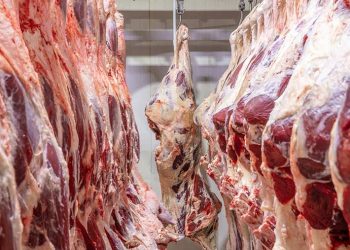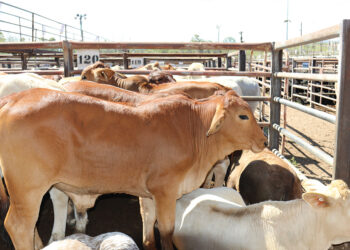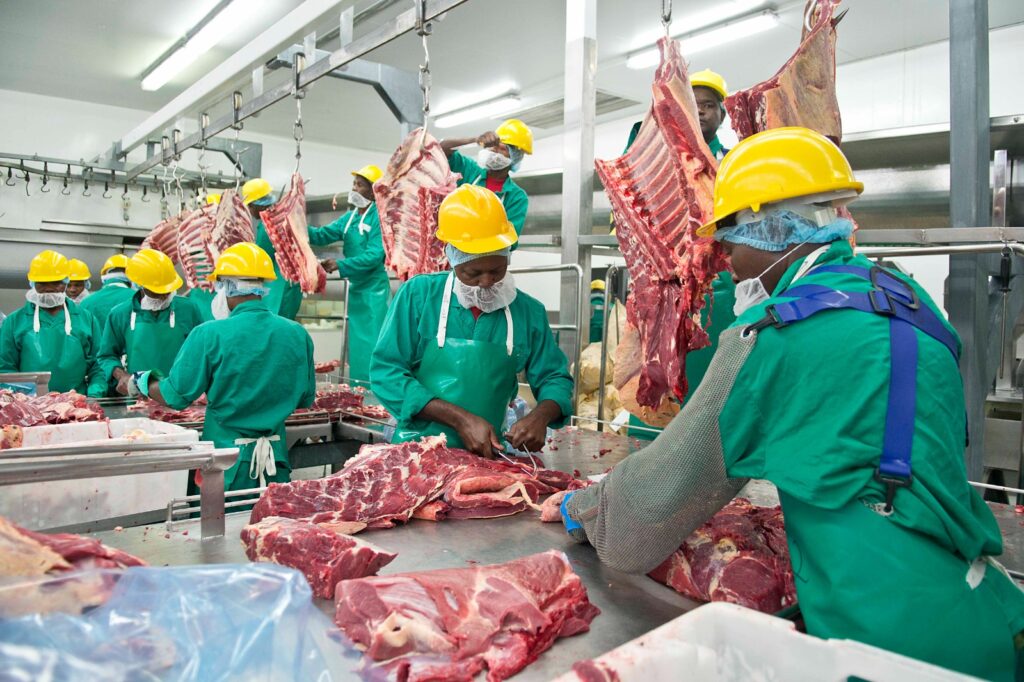
Nearly 800 employees of the Meat Corporation of Namibia (Meatco) face possible salary reductions, shorter working hours and retrenchments as the company struggles with mounting financial pressure following the suspension of international beef exports due to the foot-and-mouth disease (FMD) outbreak.
Meatco said on Wednesday that the suspension of beef exports on 23 September 2026 had severely affected its revenue, with international markets historically accounting for approximately 85% of its earnings.
The corporation warned that domestic beef sales could not compensate for the loss of export revenue, placing its operations and workforce at risk.
“With approximately 85% of Meatco’s earnings historically derived from international exports, the continued closure of these markets has placed the Corporation under severe financial pressure. Local sales will never be sufficient to replace the loss of income,” Meatco said.
The company has suspended slaughter operations until its financial and operational circumstances allow for their sustainable resumption.
Meatco said its monthly wage bill of approximately N$15 million had become increasingly difficult to sustain without revenue from international beef markets.
As a result, management has begun consultations with the Namibia Food and Allied Workers Union (NAFAU) on emergency cost-cutting measures aimed at keeping the corporation operational.
The measures under consideration include temporary salary reductions, shorter working hours and voluntary separation packages, subject to the availability of funding.
Meatco cited Section 12(6) of the Labour Act, which provides for reductions in ordinary working hours for operational reasons, subject to applicable employment contracts and collective agreements.
Under the provision, corresponding remuneration reductions may amount to up to 50% of basic wages for an initial period not exceeding three months.
The corporation is also exploring a payment holiday on its financing facility with the Development Bank of Namibia (DBN), alongside other financial relief measures.
However, Meatco warned that prolonged restrictions on beef exports could force it to consider more extensive restructuring, including retrenchments and the temporary closure of certain operations.
“This is among the legally recognised mechanisms available for managing exceptional operational circumstances. Other scenarios requiring consideration, should the present circumstances persist, include more extensive organisational restructuring, potential workforce reductions and the temporary placement of certain operations under care and maintenance,” the corporation said.
Meatco stressed that no final decisions had been taken on the proposed measures, which remain subject to consultations with NAFAU, its Board of Directors and the shareholder.
“Meatco’s overriding objective remains to preserve the Corporation as a going concern, protect as many jobs as reasonably possible and restore commercially sustainable operations,” the corporation said.
The corporation warned that the continued closure of international beef markets threatened not only its financial sustainability but also Namibia’s broader livestock value chain, including other export-oriented abattoirs.
The FMD outbreak has disrupted beef exports to international markets, placing additional pressure on an industry heavily dependent on foreign sales.
Meatco said restoring access to international markets would be critical to resuming sustainable operations and protecting employment across the livestock sector.