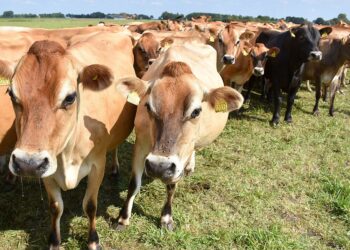
Namibia has vaccinated 26,898 cattle in the latest rounds of its foot-and-mouth disease (FMD) vaccination campaigns in the //Kharas and Zambezi regions, with no new infections reported outside previously affected areas in recent weeks.
The Ministry of Agriculture, Fisheries, Water and Land Reform said 7,100 cattle across 80 farms in the Karasburg State Veterinary District had received their second round of vaccinations, while 19,798 cattle had been vaccinated across 36 crush pens in the Zambezi Region.
In //Kharas, the compulsory vaccination campaign began on 17 October, with 8,267 cattle across 90 farms vaccinated during the first round. The second round commenced on 16 November and is being extended across the affected zone.
The second round of vaccinations in Zambezi began on 9 November and is expected to be completed in the second week of January 2027.
“Over the past few weeks, no new FMD cases have been reported outside the previously affected areas,” the ministry said.
The ministry has intensified disease surveillance in both regions and extended monitoring to other areas south of the Veterinary Cordon Fence (VCF), with private veterinarians volunteering to assist the Directorate of Veterinary Services (DVS).
A second round of surveillance north of the B3 road is underway in the Keetmanshoop and Karasburg State Veterinary Districts, where 129 establishments have been inspected and sampled.
In Zambezi, infections remain confined to the eastern part of the region, with the designated Disease Management Area covering the Kabbe South and Kabbe North constituencies.
The ministry also raised concerns over stray and free-roaming livestock, particularly in communal areas south of the VCF, warning that uncontrolled animal movements could undermine efforts to contain the disease.
“The movement of unmonitored animals compromises disease surveillance, traceability and the effective implementation of containment measures,” the ministry said.
The ministry is working with local authorities and the Namibian Police to strengthen livestock monitoring and enforce movement restrictions.
It also plans to engage traditional authorities, farmers and affected communities to address uncontrolled livestock movements, taking into account communal land-tenure arrangements and the livelihoods of livestock owners.
Chief Veterinary Officer Dr Kenneth Kennedy Shoombe and senior veterinary officials visited the //Kharas Region from 13 to 17 November to assess containment efforts, with similar engagements commencing in Zambezi on 25 November.
Meanwhile, restrictions on the movement of animals and animal products remain in force under Veterinary Public Notification No. 20 of 2026.
The ministry urged livestock owners, farmers, traders and transporters to comply with movement restrictions, ensure animals are properly identified and registered, and report suspected infections or unauthorised livestock movements to veterinary authorities.
“Effective disease control requires collective responsibility and cooperation. Communities and livestock owners are therefore urged to work closely with veterinary officials and law-enforcement authorities, comply with livestock movement requirements and take responsibility for ensuring that their animals do not roam uncontrolled,” the ministry said.