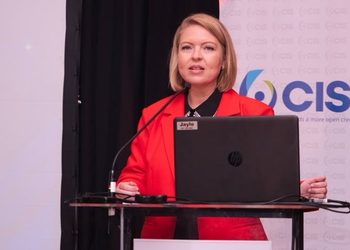
By Frieda Nangolo
Walk into two different workplaces and you will notice something interesting. In one organisation, employees openly share ideas, ask questions and admit when they need help.
Meetings are filled with discussion; different perspectives are welcomed and mistakes become opportunities to learn. In the other, the room is noticeably quieter.
Employees rarely challenge ideas, hesitate to admit mistakes and avoid speaking unless they are certain they have the right answer.
At first glance, the second workplace may appear more disciplined and orderly. Managers may even mistake the silence for agreement or professionalism.
In reality, that silence often hides something far more dangerous than disagreement. It hides fear. Employees are not quiet because they have nothing to contribute. They are quiet because they do not feel safe enough to contribute.
Many organisations believe high performance comes from hiring talented people, setting clear goals and implementing effective systems.
While these are all important, they tell only part of the story. The teams that consistently outperform others usually have something much less visible but far more powerful.
They create environments where people feel safe enough to speak, safe enough to ask questions, safe enough to admit mistakes and safe enough to challenge ideas without fearing embarrassment or punishment.
This is what we know as psychological safety. It is one of the most misunderstood concepts in today’s workplace because it is often mistaken for being nice or avoiding difficult conversations. Psychological safety is neither of those things.
It is about creating an environment where people can take interpersonal risks in the interest of improving the work. It allows employees to be honest, curious and vulnerable without fearing that speaking up will damage their reputation or career.
From an Organizational Learning and Development perspective, psychological safety is not simply about employee wellbeing. It is one of the foundations of organisational learning.
People learn by asking questions, sharing knowledge, testing new ideas and reflecting on their mistakes.
When employees fear being judged or blamed, those learning opportunities disappear. Problems remain hidden, innovation slows down and organisations unknowingly lose some of their greatest opportunities for improvement.
This is why the work of Harvard professor Amy Edmondson continues to be so relevant today. Her research found that the highest-performing teams are not the ones that make the fewest mistakes. They are the teams that identify mistakes early, discuss them openly and learn from them together.
In workplaces where people fear looking incompetent, mistakes do not disappear. They simply remain hidden for longer, often becoming much bigger and far more costly problems.
This reality is becoming increasingly important in many Namibian workplaces. Although organisations often encourage employees to speak openly, many people still hesitate to challenge decisions or share concerns with those in positions of authority.
Managers proudly say, “My door is always open,” yet very few employees walk through it. The silence is often interpreted as agreement, when in fact it may simply be self-protection.
When employees do not feel psychologically safe, organisations lose far more than ideas. They lose creativity, innovation, collaboration and the collective intelligence that exists within their people.
The greatest risk is not that employees will speak up. The greatest risk is that they will stop speaking altogether while problems continue to grow unnoticed.
Psychological safety also brings together many of the ideas we have explored throughout this series. Learning organisations cannot exist without it.
Coaching leadership depends on it. Emotional intelligence strengthens it, and healthy workplace cultures are built upon it. When people feel psychologically safe, learning becomes continuous, feedback becomes meaningful and teams become more resilient in the face of change.
As Namibia works towards Vision 2030, creating competitive organisations will require more than investing in technology or improving business processes.
It will require workplaces where people feel confident enough to think differently, question respectfully and contribute their full potential. Innovation does not begin with technology. It begins with people who feel safe enough to use their voices.
Perhaps psychological safety has been missing from our conversations about organisational performance for far too long.
We often ask how organisations can become more innovative, more productive and more competitive. Maybe we should begin by asking a simpler question: Do our people feel safe enough to learn?
Because the future will not belong to organisations with the smartest employees. It will belong to organisations where smart people feel safe enough to think together.