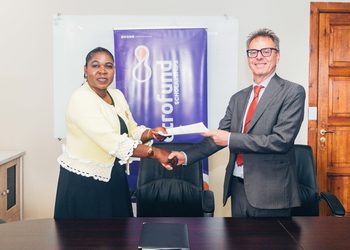
Namibia should avoid competing with larger destinations on the scale of its meetings, incentives, conferences and exhibitions (MICE) industry and instead position itself as a high-value, small-scale destination built around distinctive experiences, according to Oxygen Managing Director Hilda Basson-Namundjebo.
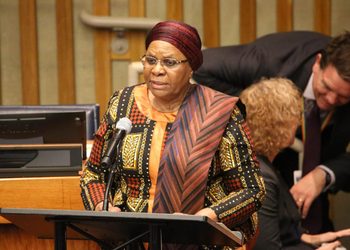
Speaking at the Creative Sport Tourism Expo, Basson-Namundjebo said Namibia’s competitive advantage lies in developing a clearly defined niche rather than attempting to compete directly with destinations that have significantly larger conference infrastructure.
“Namibia must win through distinction, high level, small scale, high value,” she said, identifying safety, serenity, nature-based meeting environments, governance credibility and a strong service culture among areas the country could use to differentiate itself.
She said Namibia cannot compete on scale but could compete on precision by providing reliable logistics, boutique experiences, curated activities and nature-integrated venues.
“Namibia cannot compete on scale, but it can compete on precision,” Basson-Namundjebo said.
She said the country needs to assess its actual capacity before aggressively bidding to host major international events, including the quality of available hotels, conference facilities, aviation connectivity, technical skills and regulatory processes.
“There is no point bidding for what you cannot host well. Every city must know its niche and its capacity,” Basson-Namundjebo said.
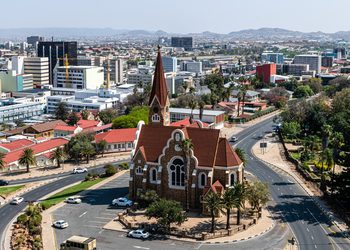
She identified Swakopmund as having potential to develop into a coastal conference hub, while Hosea Kutako International Airport could play a role in supporting scale and technology requirements. She said the country should also assess the availability and cost of event planners, audiovisual technicians, translators and crisis managers.
Basson-Namundjebo said infrastructure alone would not determine Namibia’s success in the MICE market, arguing that the entire visitor experience, from online information and visa processes to airport arrivals, transport, accommodation and departure, needs to be deliberately designed.
She proposed developing a “Namibia MICE Service Code” focused on calm, warm, attentive, anticipatory and multilingual service for frontline personnel dealing with international delegates.
Basson-Namundjebo said Namibia could further differentiate itself by combining conferences with sectors in which the country has relevant knowledge and experience, including mining, energy, conservation, governance and sport.
Potential signature products could include energy governance field labs, sport integrity dialogues and desert leadership retreats.
She said investment in people would be as important as physical infrastructure, identifying cultural intelligence, professional conference organising, crisis management, storytelling, multilingual hospitality and anticipatory service as skills requiring further development.
“These skills create preference and preference in turn creates repeat business,” Basson-Namundjebo said.