Monday, November 9, 2026
Subscribe
The Brief | Namibia's Leading Business & Financial News
  • Home
  • Companies
    • Finance
    • Agriculture
    • Technology
    • Property
    • Trade
    • Tourism
  • Business & Economy
  • E-PAPERreader
  • Mining & Energy
  • Opinions
    • Analysis
    • Columnists
  • Africa
No Result
View All Result
The Brief | Namibia's Leading Business & Financial News
Subscribe
No Result
View All Result
Home Companies Agriculture

Namibia faces agriculture, water and energy pressure as dry 2026/27 season looms

by reporter
September 7, 2026
in Agriculture
11
A A
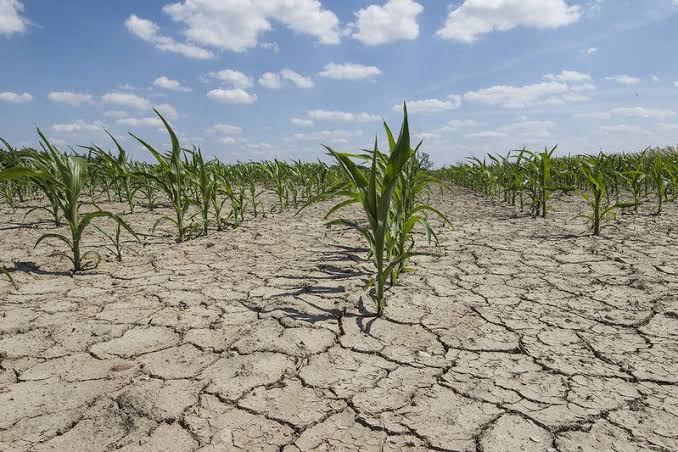
Young corn plants growing in a cracked, dry field under a blue sky, showing drought stress.

Namibia’s agriculture, water and energy sectors are expected to come under pressure during the 2026/27 rainy season, with the Namibia Meteorological Service (NMS) forecasting below-normal rainfall and above-average temperatures across most of the country.

The outlook raises risks for crop production, livestock grazing, water availability and energy supply as a strengthening El Niño event is expected to drive hotter and drier conditions.

According to NMS, below-normal rainfall is expected across most of Namibia from October to December 2026, with conditions projected to worsen between January and March 2027. Some areas could receive only 70% to 90% of their long-term average rainfall.

“Drier-than-normal rainfall and above-normal maximum temperatures are expected during the 2026/27 season. This is driven largely by firmly established and intensifying El Niño conditions on the backdrop of weakened regional climate drivers,” NMS said.

Agriculture faces significant risks, particularly during the January-to-March period, which coincides with critical stages of crop development.

Rainfall deficits are expected to exceed 100 millimetres and reach as much as 150 millimetres in parts of Ohangwena, Omusati, Oshikoto, Kavango West, Otjozondjupa and Khomas.

“This below-normal rainfall coverage is an indication of an expected drier-than-normal rainfall season,” NMS said.

The forecast follows mixed conditions during the 2025/26 season, when parts of northern and north-eastern Namibia received above-normal rainfall. Flooding in the Zambezi Region affected 8,068 households, displaced more than 2,300 families and disrupted farming activities after crops were submerged before reaching maturity.

Water resources are also expected to come under pressure, with lower rainfall potentially reducing inflows into dams and limiting groundwater recharge.

NMS said the combination of a strengthening El Niño and a positive Indian Ocean Dipole is expected to weaken the Angola Low and strengthen the Botswana High, reducing the transport of moisture into Southern Africa.

The energy sector could also face pressure, particularly where electricity generation and industrial operations depend on water availability. Higher temperatures could simultaneously increase electricity demand for cooling and place additional strain on water infrastructure.

Maximum temperatures between October and December 2026 are forecast to remain above average across Namibia, with increases of up to 2°C expected in parts of the south-east.

Between January and March 2027, temperatures could rise by as much as 3°C above average in western Ohangwena, northern Hardap, western Erongo and Omaheke.

“This climate intelligence and insights should trigger preparedness and early action in our disaster management and climate-sensitive sectors like agriculture, health, energy and water resources,” NMS said.

The forecast is in line with broader regional projections for below-average rainfall and extreme heat across much of Southern Africa during the 2026/27 rainy season as El Niño strengthens.

NMS said it will continue monitoring climate conditions and provide monthly updates through its Climate Watch Bulletin, while the Directorate of Disaster Risk Management is expected to coordinate seasonal preparedness measures.


author avatar
reporter
See Full Bio
Previous Post

Namibia urged to target high-value, small-scale MICE market

Next Post

DBN clean energy financing tops N$1.58bn, supports 81.6MW capacity

Must Read

Understanding layer hens
Agriculture

Namibia Poultry Industries, Maranatha account for over 86% of chicken slaughter

November 6, 2026
Group of cows crowded in metal pens at a livestock yard, beige and brown coats visible under bright daylight
Agriculture

Namibia vaccinates over 62,000 cattle as FMD outbreaks persist

November 5, 2026
WFP aids over 54,000 Namibians in May, faces N$8.8m funding gap ahead
Agriculture

WFP faces N$111.5 million funding shortfall for Namibia operations

November 3, 2026
White-and-brown longhorn cow in a dry grassy field under a clear blue sky, foreground focus on its curved horns.
Agriculture

FMD costs Namibia’s livestock industry N$150 million weekly

November 3, 2026
Meatco misses 70,000 slaughter target
Agriculture

Meatco cuts cattle producer prices by 20% amid FMD restrictions

October 31, 2026
Exterior view of Agribank Namibia storefront with glass doors and blue logo on white wall under a grid-pattern overhang
Agriculture

Agribank moves to diversify loan book amid rising agricultural risks

October 29, 2026
Load More

Related News

Why the best business decisions don’t happen in the boardroom

Why the best business decisions don’t happen in the boardroom

April 8, 2026
Revenue weakness and rising debt threaten Namibia’s fiscal stability

Higher interest rates to keep borrowing under pressure, FNB warns

July 2, 2026
Unlocking Namibia’s property potential: Bridging the development finance gap

Unlocking Namibia’s property potential: Bridging the development finance gap

October 21, 2025

Browse by Category

  • Africa
  • Agriculture
  • Analysis
  • Business & Economy
  • Columnists
  • Companies
  • e-edition
  • Finance
  • Finance
  • Fisheries
  • Green Hydrogen
  • Health
  • Investing
  • Latest
  • Market
  • Mining & Energy
  • Namibia
  • namibia
  • News
  • Opinions
  • Property
  • Retail
  • Technology
  • Tourism
  • Trade
The Brief | Namibia's Leading Business & Financial News

The Brief is Namibia's leading daily business, finance and economic news publication.

CATEGORIES

  • Business & Economy
  • Companies
    • Agriculture
    • Finance
    • Fisheries
    • Health
    • Property
    • Retail
    • Technology
    • Tourism
    • Trade
  • e-edition
  • Finance
  • Green Hydrogen
  • Investing
  • Latest
  • Market
  • Mining & Energy
  • namibia
  • News
    • Africa
    • Namibia
  • Opinions
    • Analysis
    • Columnists

CONTACT US

Cell: +264814612969

Email: newsdesk@thebrief.com.na

© 2026 The Brief | All Rights Reserved. Namibian Business News, Current Affairs, Analysis and Commentary

Welcome Back!

Login to your account below

Forgotten Password?

Retrieve your password

Please enter your username or email address to reset your password.

Log In
No Result
View All Result
  • Home
  • Companies
  • Mining & Energy
  • Business & Economy
  • Opinions
    • Analysis
    • Columnists
  • Africa

© 2026 The Brief | All Rights Reserved. Namibian Business News, Current Affairs, Analysis and Commentary

This website uses cookies. By continuing to use this website you are giving consent to cookies being used. Visit our Privacy and Cookie Policy.