The Bank of Namibia (BoN) is strengthening its macroeconomic forecasting and financial stability surveillance ahead of potential oil production, as large investment inflows and petroleum exports are expected to reshape the country’s balance of payments, inflation dynamics and financial sector risk exposure.
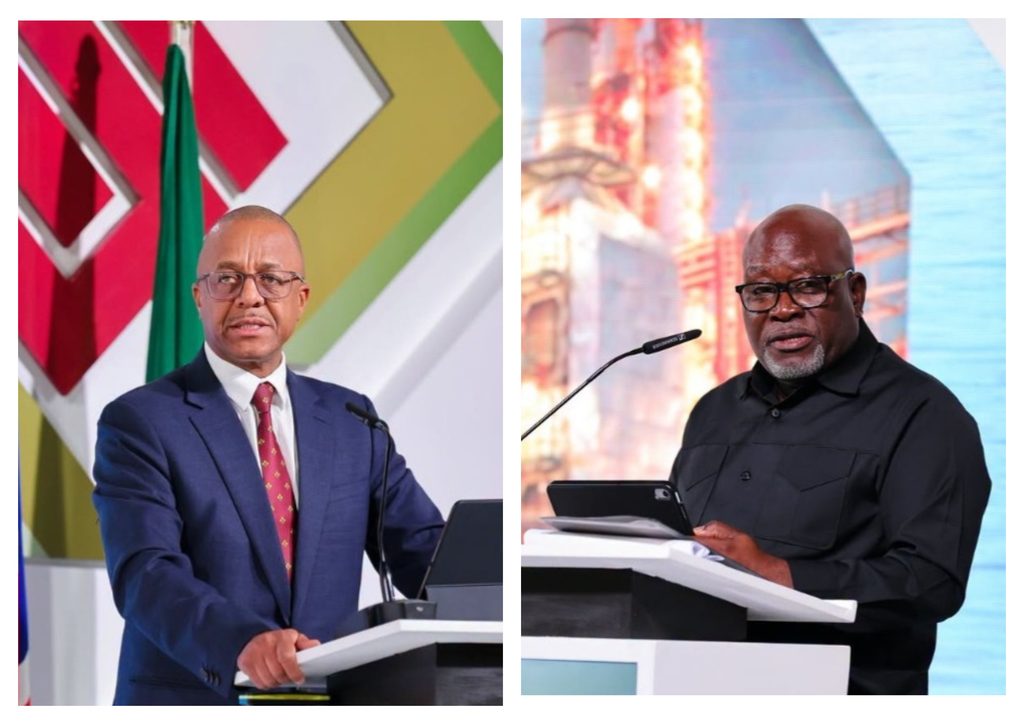
BoN Governor Ebson Uanguta said the central bank was incorporating oil and gas variables into its economic forecasting models while increasing its monitoring of risks that could emerge as banks and other financial institutions become more exposed to petroleum projects and companies operating across the value chain.
“We are therefore strengthening our own readiness for this transition. This includes enhancing our macroeconomic forecasting frameworks to systematically incorporate oil and gas variables and deepening our financial stability surveillance to ensure that banking and non-banking institutions understand and prudently manage emerging risks, including concentration, foreign-currency and project risks,” Uanguta said.
Speaking at the Bank of Namibia Annual Symposium on Thursday, Uanguta said large petroleum-related capital inflows and future exports could have implications for economic growth, inflation and the balance of payments.
The central bank is also investing in staff capabilities through targeted training, benchmarking and peer learning as it prepares for the potential transition to an oil-producing economy.
At the same time, financing for domestic companies seeking to participate in the petroleum value chain is emerging as a key challenge.
Industries, Mines and Energy Minister Modestus Amutse said closer coordination would be required between government, the Development Bank of Namibia (DBN), commercial banks, insurers and petroleum operators to ensure viable Namibian companies can access funding.
“Capability without finance remains capability on paper. Our task is to help it become a business in the real economy,” Amutse said.
Local businesses could require significant working capital, specialised equipment financing and performance guarantees to execute contracts awarded by petroleum operators.
Amutse said the DBN already provides contract finance, asset finance and performance guarantees, but argued that these instruments would need to be adapted and scaled as the size and complexity of petroleum procurement opportunities increase.
“Can operators provide early visibility of procurement? Can financiers build suitable working-capital and guarantee arrangements around credible contracts? Can risk be shared sensibly without lowering financial or technical discipline?” he said.
Uanguta said financial institutions would need to understand the evolving funding requirements of businesses seeking exposure to the petroleum industry while maintaining prudent lending and risk-management standards.
Beyond financing, both officials said Namibia’s pre-production period should be used to build domestic skills, technology and businesses capable of retaining a greater share of petroleum-related economic activity.
Uanguta said local participation should extend beyond ownership and procurement to skills transfer, technology, entrepreneurship and progressively more sophisticated activities undertaken by Namibian companies.
Amutse said infrastructure developed around petroleum projects should also support other productive sectors, including mining, manufacturing and agriculture.
“The true measure of first oil will not be the first barrel sold. It will be the capabilities that remain in Namibia long after the last barrel is gone,” he said.
Uanguta also pointed to the experiences of oil-producing economies such as Nigeria and Guyana, saying Namibia should establish appropriate legislation, regulatory capacity and transparent petroleum revenue-management systems before production begins.
He said decisions taken during the pre-production phase could have long-term financial and economic consequences because institutional and commercial arrangements become more difficult and costly to change once major investments are established.