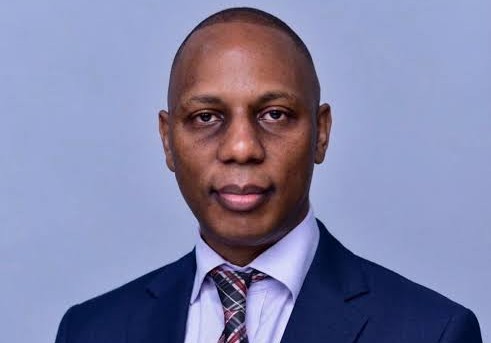
Mobile money and alternative data could help expand access to credit across Africa by enabling lenders to assess borrowers who are excluded from traditional financial systems, Andrew Njeru, Chief Executive Officer of CIS Kenya, has said.
Speaking at the 3rd Africa Credit and Risk Reporting Conference in Windhoek, Njeru said improved credit reporting systems, digital financial services and artificial intelligence could help financial institutions better assess lending risks and extend financing to underserved groups, including farmers, women and small businesses.
“There is, therefore, a great deal we can do, and credit information systems have an important role to play. The more information credit bureaus have, the better equipped lenders are to differentiate between customers and price loans according to their respective levels of risk. This is a critical missing link,” he said.
He noted that financial inclusion had improved across the continent, with account ownership rising significantly over the past decade. However, access to affordable credit remained uneven, while high borrowing costs continued to constrain economic participation in several African markets.
Njeru said Africa had substantial capital available, but reaching underserved borrowers required reliable data and stronger infrastructure to help lenders identify creditworthy customers.
He highlighted the potential of alternative data from mobile money platforms, telecommunications companies, agricultural activities and satellite technology to improve credit assessments, particularly for people without formal credit histories.
“The potential of alternative data is enormous, but it also comes with risks. Consumer concerns must be addressed, and safeguards must be established to ensure that data is collected securely, with appropriate consent, and processed responsibly,” Njeru said.
Artificial intelligence could also help process and analyse this information more efficiently, provided the data was accurate, secure and handled responsibly, he said.
Njeru called for stronger partnerships between credit bureaus, lenders, governments and technology providers to improve data collection, verification and sharing.
He also emphasised the need to address gaps in identity documentation and the underrepresentation of women and small businesses in formal financial systems.
He said expanding access to sustainable financing was essential to supporting entrepreneurship, creating jobs and unlocking Africa’s economic potential.