Namibia recorded an estimated N$67.8 billion in potential illicit financial flows over three years, averaging N$22.6 billion annually, according to a national assessment conducted by the Financial Intelligence Centre (FIC).
Minister of Finance Ericah Shafudah said the scale of the suspected financial flows raised serious concerns about unlawful financial activities, tax evasion and money laundering, which undermine domestic revenue mobilisation and economic development.
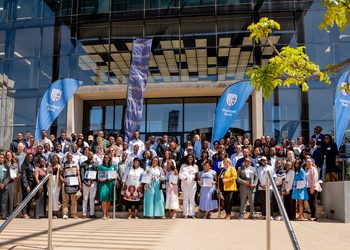
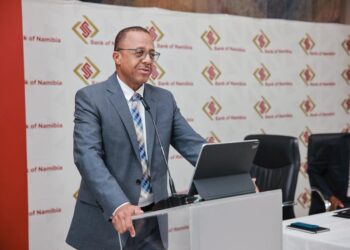
Speaking at the recent Institute of Chartered Accountants of Namibia (ICAN) National Accounting Summit, Shafudah warned that illicit financial activities could deprive the country of resources needed to finance essential public services and infrastructure.
“The magnitude of illicit financial flows in our country is deeply concerning. A national assessment conducted by the Financial Intelligence Centre estimated potential financial flows of about $67.8 billion over the three years, equivalent to $22.6 billion annually,” she said.
Shafudah said the potential diversion of financial resources through unlawful practices was particularly concerning given Namibia’s substantial development and public spending needs.
“For a country like ours, where development needs remain significant, the loss of public revenue through unlawful financial practises and suspicious tax-related transactions is a matter of serious concern. We cannot allow the wealth generated within our country to be unlawfully diverted away from the development needs of our people,” she said.
She said resources lost through illicit financial activities could otherwise support investment in education, healthcare, infrastructure and employment creation.
The Minister called on accountants and auditors to strengthen their role in detecting suspicious transactions, promoting tax compliance and reporting suspected financial misconduct in accordance with their legal obligations.
She warned that professional confidentiality should not be used to conceal financial crimes or protect individuals and businesses involved in unlawful activities.
“Professional confidentiality must never be misused as a shield for unlawful conduct,” Shafudah said.
She urged accounting professionals to strengthen cooperation with the Namibia Revenue Agency, the Financial Intelligence Centre, the Ministry of Finance and other regulatory authorities to combat illicit financial flows.
Shafudah said the government remained committed to improving domestic revenue collection, strengthening financial oversight and ensuring compliance with tax laws.
She said legislative reforms were underway to improve accountability and transparency in the management of public finances.
These include the proposed Public Finance Management Bill, which seeks to strengthen fiscal discipline, transparency and accountability in the use of public resources.
“The government is also working on legislation to strengthen the independence and effectiveness of the Office of the Auditor-General, while the Accountants and Auditors Regulatory Authority Bill seeks to modernise regulation of the accounting and auditing profession,” she said.
Shafudah said the reforms were intended to strengthen professional standards, ethical conduct, quality assurance and public confidence in financial reporting.
She also called on accountants and auditors to play a greater role in economic policy discussions and advise public and private institutions on financial management and resource allocation.
The Minister said strong financial governance would be increasingly important as Namibia seeks to attract investment into emerging sectors, particularly oil and gas.
She said reliable financial disclosures, regulatory certainty and sound corporate governance were essential to maintaining investor confidence and ensuring that the country benefited from new investment opportunities.
Shafudah urged accounting professionals to uphold ethical standards and ensure that their expertise was not used to facilitate or legitimise illicit financial activities.