The government says it is making progress towards establishing manufacturing facilities across Namibia’s 14 regions as part of plans to expand local processing, promote value addition and create jobs.
Prime Minister Elijah Ngurare said the initiative follows a directive by President Netumbo Nandi-Ndaitwah for each region to develop a factory aligned with the products, resources and economic strengths available in that area.
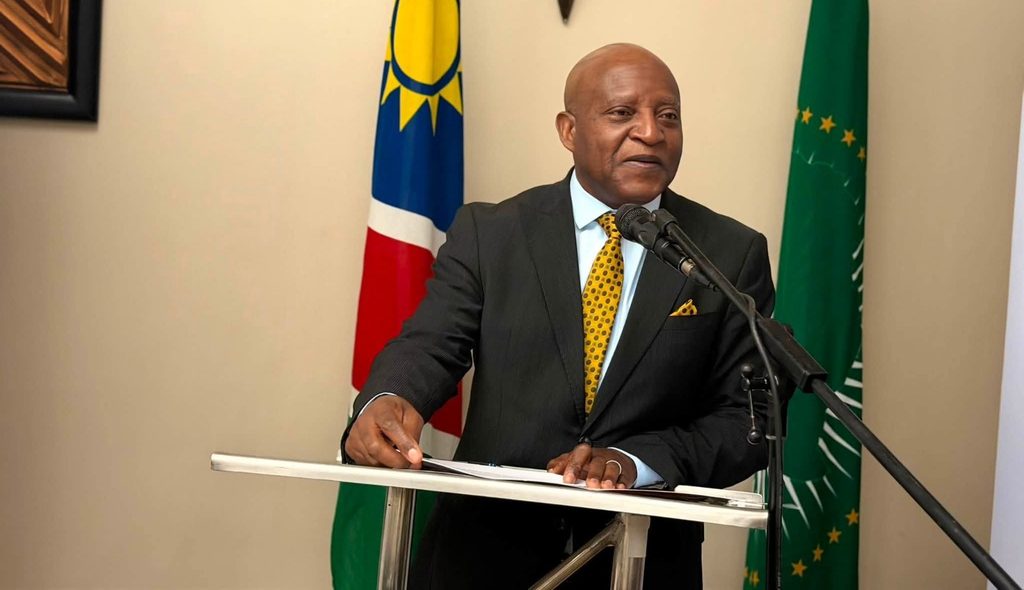
Speaking at a regional development event in Windhoek on Thursday, Ngurare said the programme is aimed at moving Namibia beyond primary production by developing regional manufacturing and processing capacity.
“When Her Excellency, President Netumbo Nandi-Ndaitwah, addressed Heroes Day Commemoration in Katima Mulilo, Zambezi Region, last year, she gave a directive that each region must have a factory unique to what it produces and supplies,” Ngurare said.
“This was a deliberate intervention, informed by the reality that Namibia must move, regionally and nationally.”
Ngurare said the government is making progress on the initiative, although he did not provide details on the factories already identified, their expected investment requirements or implementation timelines.
“Each of our 14 regions will have a manufacturing plant unique to what it produces. On this mission we are making progress,” he said.
The Prime Minister said the regional approach is intended to support a more diversified economy by developing industries around the comparative advantages of individual regions.
“From Zambezi to Khomas, from Omaheke to Hardap; from Omusati to Kavango East and from Kunene to Oshikoto. All stakeholders are getting on board,” he said.
Ngurare said economic opportunities differ across the country, requiring regional industrial development strategies that respond to locally available resources, production and market opportunities.
The initiative is also expected to support the government’s industrialisation, value-addition and employment objectives under the Sixth National Development Plan.
Developing processing capacity closer to areas of production could allow more locally produced agricultural, mineral and other raw materials to be processed domestically rather than leaving regions primarily as suppliers of unprocessed products.
“Our economy must become more diversified, resilient and capable of creating opportunities for all Namibians,” Ngurare said.
He said regional leaders would play a key role in identifying viable opportunities and ensuring that proposed investments respond to local economic conditions and community needs.