More than 80 additional public entities will now be subject to Namibia’s public procurement framework, expanding the number of government institutions and state-linked entities whose contracts can be contested by suppliers.
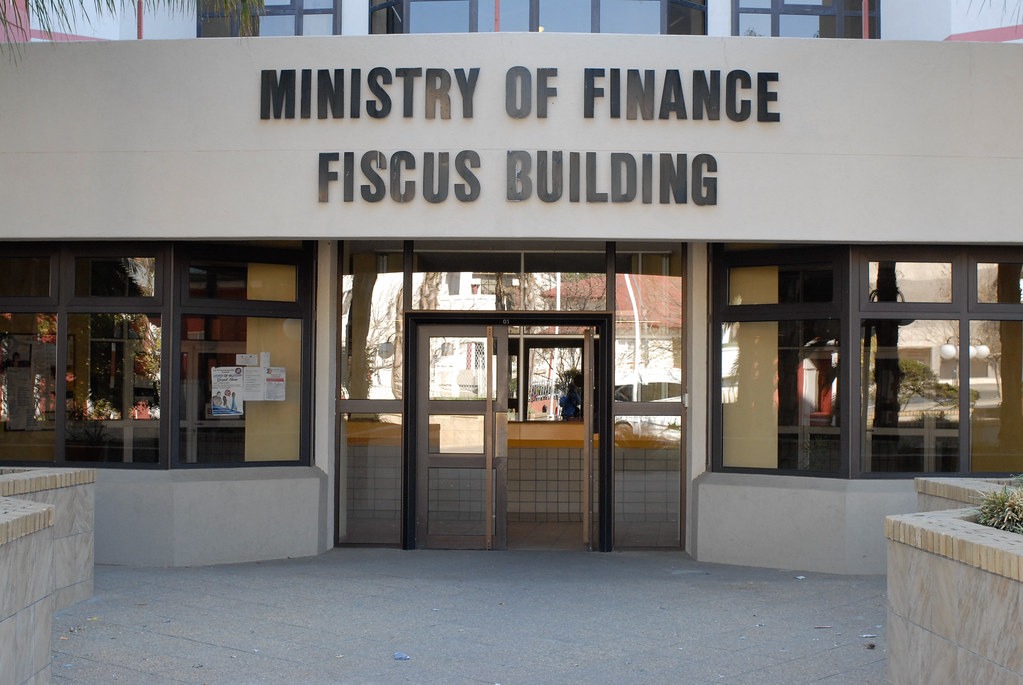
The expansion forms part of amendments to the Public Procurement Regulations gazetted by the Ministry of Finance under the Public Procurement Act of 2015.
The revised regulations extend procurement requirements to subsidiaries of public enterprises and newly established entities, while regional councils have been moved from Category 2 to Category 1 following the expansion of their responsibilities under decentralisation.
Ministry of Finance Deputy Director in the Directorate of Professionalisation and Capacity Strengthening Willibarth Haraseb said bringing additional entities into the system would ensure procurement rules are applied more consistently across the public sector.
“The inclusion of additional public entities within the procurement framework promotes uniform application of procurement standards throughout the public sector, enhancing transparency and strengthening accountability,” Haraseb said.
For businesses, the changes potentially widen the pool of public-sector contracts available for competitive bidding, with more than 80 additional entities now falling within the procurement framework.
The Ministry will hold engagement sessions with newly categorised entities in September 2026 to prepare them for the new requirements.
The sessions will cover governance requirements and the establishment of procurement committees, procurement management units and bid evaluation committees.
“The amendments introduce several important changes in strengthening the efficacy, responsiveness and oversight of the public procurement ecosystem in Namibia,” Haraseb said.
The reforms also introduce revised procurement thresholds after government concluded that inflation and currency depreciation had eroded the relevance of limits introduced in 2017.
Deputy Director in the Directorate of Legal Support and Compliance Amalia Shikongo said the higher thresholds are intended to reduce administrative delays and allow public entities to process procurement more efficiently.
“The change was necessitated by prevailing economic conditions. Adjusting thresholds ensures the framework remains responsive, promotes operational efficiency, and reduces unnecessary administrative delays,” Shikongo said.
Government has also created a new high-value procurement category covering NamPower, NamPort, NamWater, Telecom Namibia, NAMCOR, TransNamib and the Roads Authority.
The entities were selected based on their procurement capacity, governance structures and experience in handling large projects.
“The purpose is to facilitate more responsive decision-making and reduce delays associated with referral to the Central Procurement Board, while ensuring accountability through enhanced oversight measures,” Shikongo said.
The changes are also expected to reduce the volume of transactions referred to the Central Procurement Board, allowing it to focus more heavily on strategic and high-value public procurement.