The Namibian Agronomic Board (NAB) has urged the government to introduce tax incentives and electricity subsidies for the agricultural sector, warning that high production costs are limiting investment, slowing irrigation expansion and undermining efforts to increase domestic food production.
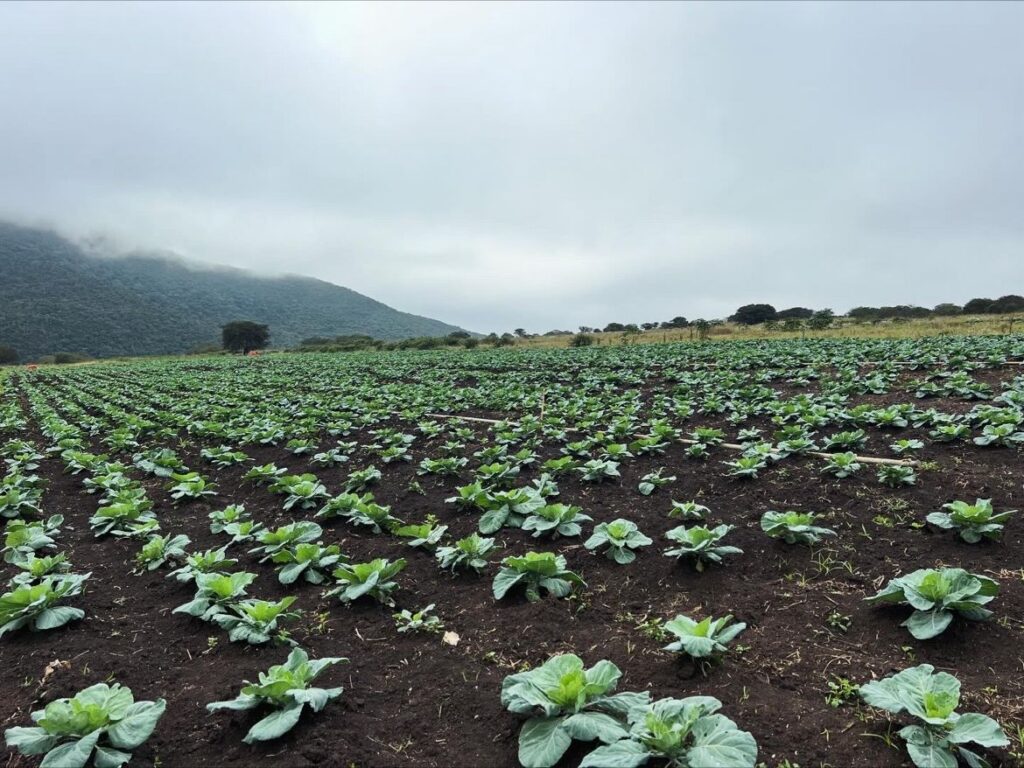
Speaking at the Public Enterprises CEOs’ Forum on the implementation of the Sixth National Development Plan (NDP6), NAB Chief Executive Officer Fidelis Mwazi said reducing the cost of agricultural technology and irrigation is essential if Namibia is to commercialise thousands of hectares under irrigation and strengthen national food security.
He called on government to exempt strategic agricultural machinery and technologies from import value-added tax (VAT) and customs duties to make modern farming equipment more affordable.
“The government needs to introduce bold policy incentives providing relief on import VAT and customs duties for strategic agricultural inputs and technologies. Agricultural technology is expensive, and if we are to commercialise thousands of hectares under irrigation within the remaining NDP6 timeframe, these incentives are critical so farmers can access technology cost-effectively,” Mwazi said.
Mwazi also proposed targeted electricity subsidies for irrigation farmers, saying escalating energy costs have become one of the biggest challenges facing crop producers and agro-processors.
“Introduce targeted energy subsidies for irrigation farmers. High electricity tariffs have become a major cost driver that pushes farmers and agro-processors out of business. Taking this policy decision will, in the long run, create jobs, boost local production and generate tax revenues,” he said.
He argued that lowering production costs would improve the competitiveness of Namibian agriculture, encourage private investment and reduce dependence on imported food.
In addition to fiscal incentives, the NAB called for reforms to the country’s agricultural regulatory framework.
Mwazi said legislation governing seeds, fertilisers and agronomic products should be consolidated under a single authority to simplify regulation, improve efficiency and attract investment.
“As it stands, some key components are administered by different ministries. The fertiliser aspect is handled elsewhere, while the Seed and Plant Variety Act falls under the Ministry of Agriculture. If these legislations are harmonised under one institutional authority, it will unlock the potential of the crop sector, especially for investment,” he said.
According to the NAB, combining policy reforms with targeted financial incentives would accelerate irrigation development, strengthen agro-processing, create jobs and support Namibia’s food production objectives under NDP6.