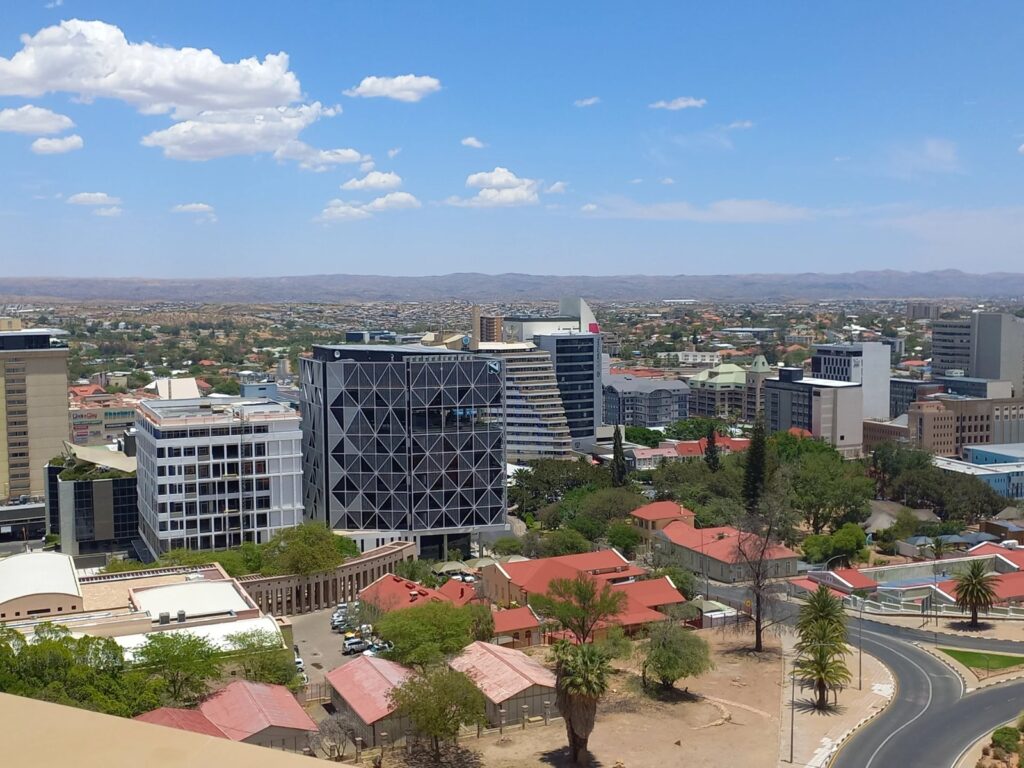
Namibia has been ranked 69th out of 70 economies in the 2026 International Institute for Management Development (IMD) World Competitiveness Rankings, slipping one place from 68th in 2025.
According to the report, although the country continues to enjoy world-class price stability, its competitiveness remains constrained by deep-rooted structural challenges, fiscal pressures and infrastructure deficits.
The performance places Namibia at the bottom of both its regional and demographic peer groups, ranking last among 45 economies in the Europe, Middle East and Africa region and 38th out of 38 countries with populations below 20 million.
“Namibia faces fiscal constraints, competing budget priorities, high cost of capital, and limited MSME financing,” the report said.
Namibia’s strongest performance was in consumer price inflation, where it ranked eighth globally after recording an inflation rate of 3.51% in 2025.
Beyond price stability, however, the report highlights significant weaknesses across key pillars of competitiveness. Namibia ranked last globally in domestic economy, international investment and basic infrastructure, while technological and scientific infrastructure also remained among the weakest-performing indicators.
The domestic economy continues to be constrained by modest real GDP growth of 1.7% and a current account deficit equivalent to 13.0% of GDP.
The report identifies a combination of fiscal constraints, competing budget priorities, a high cost of capital and limited access to finance for micro, small and medium enterprises (MSMEs) as major barriers to competitiveness.
It further notes that Namibia’s continued reliance on primary industries and limited economic diversification leave the economy highly exposed to external shocks.
These challenges are compounded by public sector capacity constraints that continue to delay structural reforms and the rollout of digital systems, weakening public service delivery and procurement efficiency.
“Namibia’s economic competitiveness is severely constrained by tight fiscal limitations, competing budget priorities, a high cost of capital, restricted financing for MSMEs, and a persistent overreliance on primary sectors due to limited economic diversification,” the report said.
The report also points to high youth unemployment and persistent inequality as key social challenges weighing on labour market performance and broader economic development.
Despite having a population of 3.05 million and GDP per capita of US$12,252, the report argues that Namibia’s competitiveness will remain limited unless it accelerates structural reforms.
It recommends diversifying the economy beyond primary industries, improving public procurement systems, expanding basic infrastructure and strengthening institutional capacity to improve long-term competitiveness.
“Furthermore, the country’s progress is hindered by capacity constraints that delay digital systems and structural reforms, public procurement inefficiencies, and the dual crises of rampant youth unemployment and persistent inequality,” the report said.