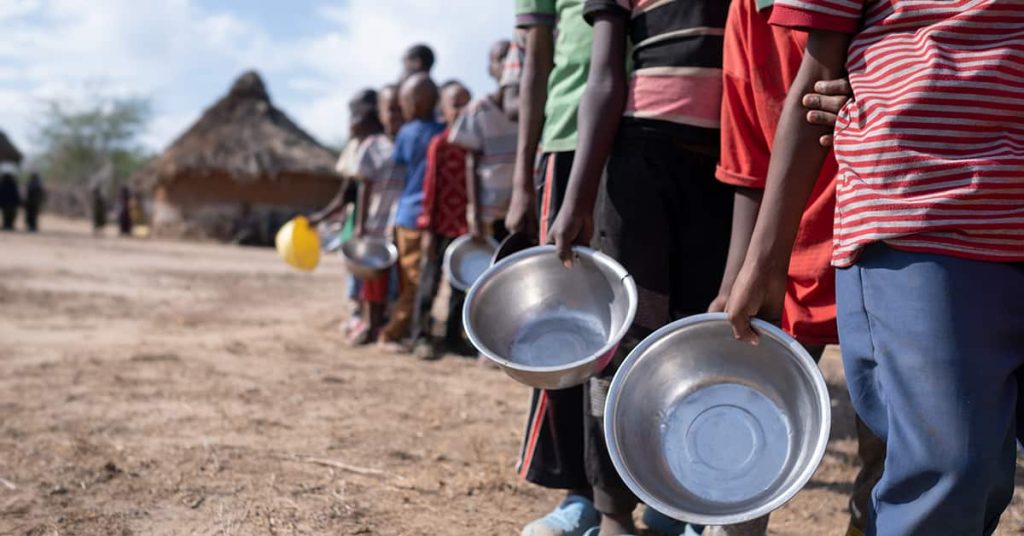
The number of Namibians facing high levels of acute food insecurity dropped to 456,000, or 15% of the population, between July and September 2025, marking a sharp decline from 1.15 million people during the same period last year, according to the latest IPC Acute Food Insecurity Analysis report.
The Integrated Food Security Phase Classification (IPC) assessment attributes the improvement to favourable weather conditions and stronger agricultural performance during the 2024/25 farming season.
It noted that above-average rainfall had boosted crop yields, improved grazing for livestock, and replenished water sources across the country. As a result, most households now have sufficient food stocks expected to last until December 2025.
“Namibia’s food security situation has improved significantly in 2025 compared to the previous year. In the current period (July to September 2025), approximately 456,000 people (15% of the analysed population) are experiencing high levels of acute food insecurity (IPC Phase 3 or above),” the report stated.
Despite these gains, the IPC report identifies Kunene, Kavango West, and Zambezi as the only regions still classified in the Crisis phase (IPC Phase 3), where households continue to struggle to meet their daily food needs.
The rest of the country, according to the report, remains in the Stressed phase (IPC Phase 2), meaning families can afford basic food but face challenges meeting non-food needs without resorting to coping mechanisms such as selling assets or skipping meals.
The IPC urged continued vigilance and targeted support to maintain current gains, particularly in regions vulnerable to drought, flooding, and market shocks.
It also called for greater investment in social protection, input delivery, and nutrition programmes to strengthen household resilience ahead of the next lean season.
“The following response priorities are proposed: continue with the provision of welfare grants (social grants or social assistance) to eligible beneficiaries, as well as food assistance to marginalised communities, and the Conditional Basic Income Grant through cash transfers (previously known as the Food Bank) to qualifying beneficiaries in urban and peri-urban areas,” the report added.