The Bank of Namibia says Namibia’s trade deficit widened to about N$9.0 billion in the first quarter of 2026, marking a 9.5% year-on-year increase as import costs outpaced export growth.
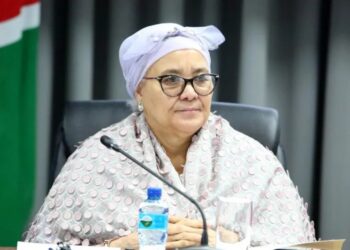
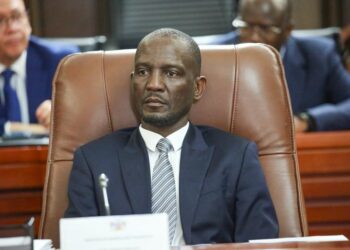
Bank of Namibia Governor Ebson Uanguta said the deterioration comes despite a 7.5% rise in export earnings.
“Namibia’s external position deteriorated since the February 2026 MPC meeting. Despite the 7.5% growth in export earnings, the merchandise trade deficit widened by 9.5% year-on-year to approximately N$9.0 billion during the first quarter of 2026, due to a faster increase in import payments,” he said.
Uanguta warned that pressures on the external position are expected to intensify, driven by rising costs of imported fuel, fertiliser and other petroleum-based products.
He added that the depreciation of the exchange rate since the February 2026 Monetary Policy Committee meeting has further increased the cost of imports.
Meanwhile, Namibia’s international reserves stood at N$51.8 billion at the end of March 2026, slightly down from N$51.9 billion at the end of January.
“At this level, foreign reserves translate to an estimated import cover of 3.2 months, which is sufficient to support the currency peg and meet the country’s international financial obligations,” Uanguta said.
Separate data from the Namibia Statistics Agency shows that Namibia recorded a trade surplus of N$193 million in January 2026, an improvement from a N$391 million deficit the previous month.
“This development reflects a notable improvement in the trade balance when compared to a N$391 million deficit recorded a month earlier. Further analysis shows a N$2.9 billion deficit recorded year-on-year,” the agency said.
South Africa remained Namibia’s largest trading partner for both exports and imports during the period.
The country’s export basket continues to be dominated by mining commodities, including uranium, non-monetary gold, diamonds, and ores and concentrates of base metals, with fish the only non-mineral product among the top five exports.