A new initiative aimed at positioning Windhoek as a regional startup hub is seeking to build a pipeline of high-growth companies capable of listing on the Namibia Securities Exchange (NSX) Development Capital Board.
The initiative, under the Accelerate36 banner and in partnership with ecosystem players including Grindstone, a growth accelerator co-owned by Knife Capital and Thinkroom, is designed to strengthen Namibia’s startup ecosystem while expanding the country’s investable universe by enabling high-growth companies to access public capital markets.
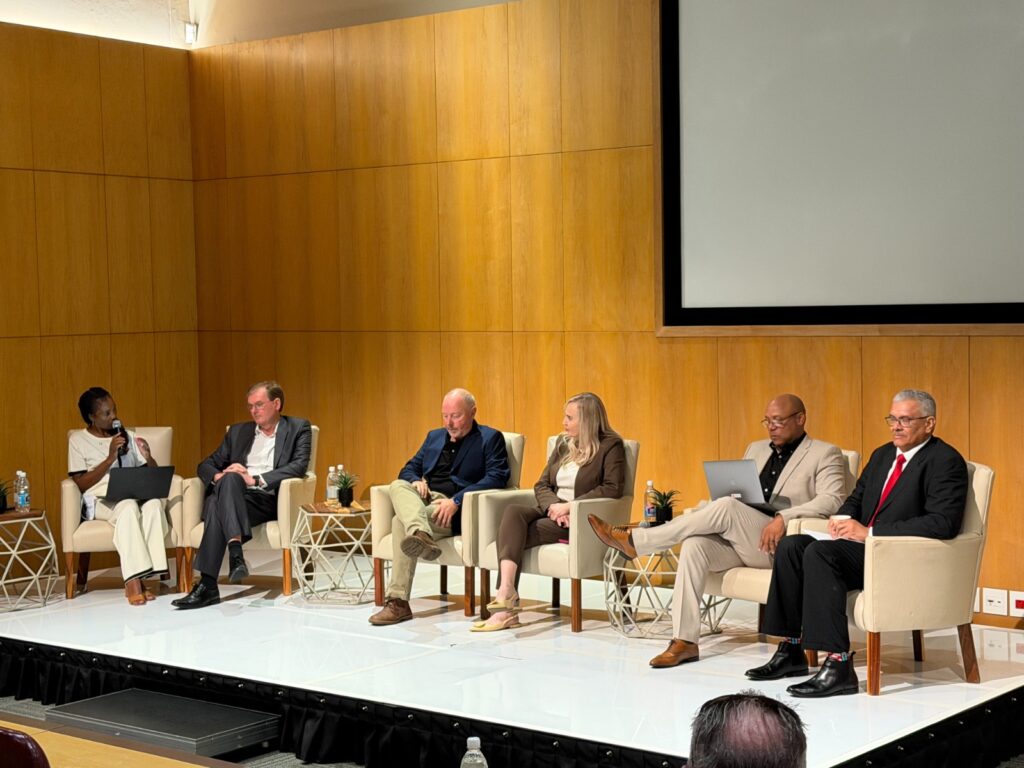
Namibian angel investor Ben Bertolini said collaboration across the ecosystem will be critical in unlocking opportunities for both startups and investors.
“We have the influence, brainpower and energy in this room to ensure that we transform the Namibian capital markets,” Bertolini said.
Organisers said collaboration between government, regulators, investors, accelerators and entrepreneurs will be essential in building a sustainable startup ecosystem capable of supporting long-term economic growth.
Accelerate36 aims to align policymakers, regulators, investors and entrepreneurs around a structured pathway that supports startups from early validation and growth stages through to listing on the NSX Development Capital Board, and ultimately graduation to the main board.
Organisers noted that while Namibia has strong entrepreneurial talent, relatively few startups scale into governance-ready companies capable of attracting institutional capital.
At the same time, Namibia’s capital markets are facing a shrinking investable universe, while pension funds are required to allocate a portion of their portfolios to alternative investments.
The initiative seeks to bridge this gap by preparing startups for public markets while strengthening governance standards, transparency and investor confidence.
Managing partner at Grindstone, Catherine Young, said the programme could play a key role in unlocking new sources of capital for emerging businesses.
“This initiative could be the forerunner of robust liquidity in otherwise scarce funding landscapes. Namibia could establish itself as a pioneer in Africa for development exchanges. The time to act is now,” Young said.
Partner at Knife Capital, Eben van Heerden, said the long-term vision is to build a portfolio of successful Namibian startups capable of delivering strong investment returns.
“In my vision over the next five years, I see a picture of plaques of honour for ten startups that have been funded in Namibia and have exited successfully,” van Heerden said.
“These startups will deliver remarkable returns on investment for those who back them,” he added.
As part of the event, three Namibian startups — Yyeni, PatientCare and Mindsinaction — pitched their ventures.
The companies operate in sectors including artificial intelligence-driven education technology, digital healthcare access and skills development, reflecting the growing role of innovation-driven entrepreneurship in Namibia’s economy.