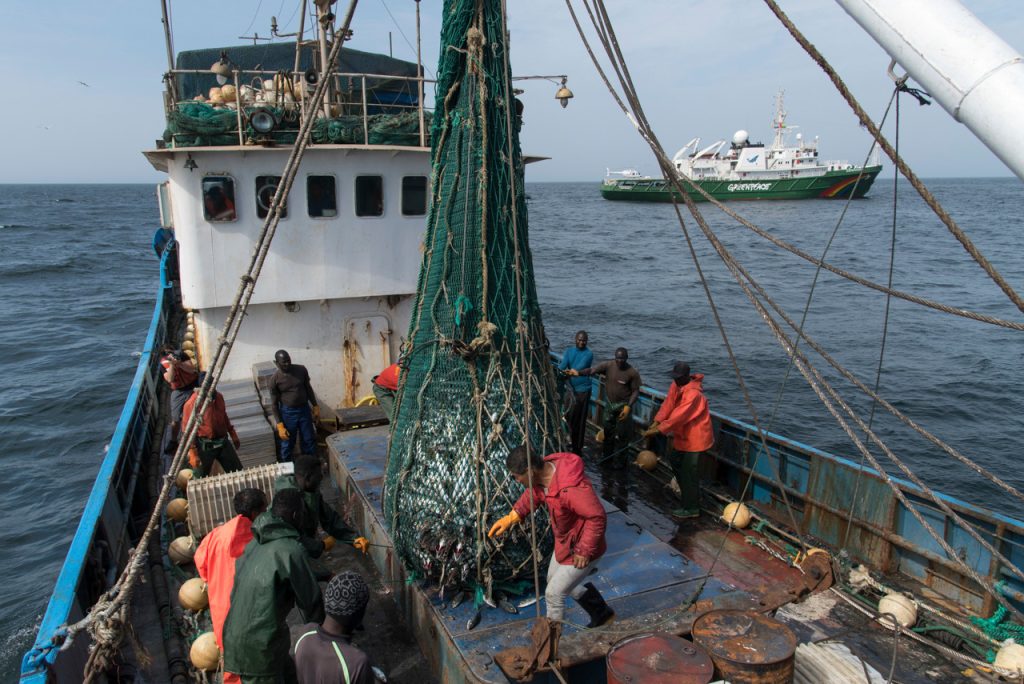
The Government Employment Redress Programme (GERP) has facilitated the re-employment of 2,483 fishermen since its launch in 2020, according to a recent assessment by the Institute for Public Policy Research (IPPR).
“2,483 fishermen employed, with 550 in horse mackerel and 1,933 in hake. Ministers reaffirm commitment to redress and announce plans to expand GERP’s reach,” said IPPR Researcher Frederico Links.
GERP was introduced by Cabinet to address job losses linked to the 2015 illegal industrial action and the fallout from the Fishrot scandal.
The programme uses fishing quotas as a tool for labour reintegration, awarding them to companies that rehire retrenched workers.
Links said the programme is a unique policy tool, but acknowledged that it has faced ongoing criticism over poor oversight, short-term contracts, and limited worker benefits.
Mass resignations in 2022 and 2024 raised concerns about transparency and alleged favouritism in job placements.
“Then we had the Select Committee of the National Assembly created to look specifically into why that had happened, why that mass resignation under the employment redress programme had occurred. That committee produced a report, which the minister at the time, Calle Schlettwein, then responded to,” he said.
Links added that critics see GERP as symbolic rather than transformative.
“Out of that report came specific recommendations, which I think all dealt with the issues of lack of oversight, lack of transparency, what was going to happen with regard to the workers that walked off and resigned, and some proposed policy adjustments to strengthen enforcement and improve transparency,” he said.