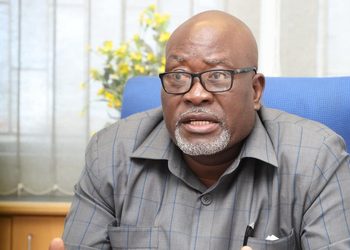
Government Institutions Pension Fund (GIPF) Chief Executive Officer, Martin Inkumbi says the Fund is not only Namibia’s largest pension fund but also an effective catalyst for social and economic transformation thanks to its significant investments spanning multiple industries across the country’s 14 regions.
“With a firm commitment to responsible investment, the Fund plays a crucial role in addressing the nation’s pressing challenges, including poverty eradication, energy provision, infrastructure development, health, education and skills training, tourism, and job creation,” Inkumbi said.
He added: “Our investment strategy is premised on the realisation that financial returns and economic impact are not mutually exclusive. Impactful investments can equally generate good financial returns for our stakeholders. We strive to generate positive social and environmental outcomes alongside strong financial returns. As we often say, only good business is good for development.”
By channelling capital into key economic sectors, Inkumbi noted, GIPF supports national development objectives, fostering an ecosystem of opportunity and progress.
“Our investments are directed towards high-potential areas with the goal of stimulating sustainable and inclusive economic growth.”
With a strategic focus on alternative investments, Inkumbi said GIPF aims to promote private sector participation, enhance employability through skills development, and catalyse entrepreneurial opportunities across diverse sectors of the Namibian economy.
“Notably, 5% of the Fund’s N$168 billion in assets under management is earmarked for developmental investments. Working with our Investment Managers, we have allocated significant resources to sustainable development investments that deliver tangible positive economic, social and environmental impacts,” he said.
Inkumbi explained that most of these investments have been instrumental in advancing Sustainable Development Goals (SDGs) related to food production, renewable energy, healthcare, housing, education, and skills development.
“Over the past 11 years, GIPF’s cumulative investment within the real economy of Namibia has exceeded N$6.5 billion, spanning property, private equity, debt, and infrastructure,” he said. “Specifically, these investments have enriched Namibia’s socio-economic landscape through:
• Empowering Emerging Entrepreneurs and SMEs: GIPF’s investments have supported the growth of emerging entrepreneurs and small and medium enterprises (SMEs), fostering innovation and enterprise.
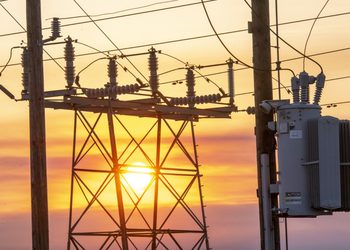
• Advancing Infrastructure in Renewable Energy: Through funding for renewable energy projects, GIPF contributes to the sustainable transformation of Namibia’s energy sector, laying the groundwork for a greener future. Our investments of N$978.5 million in renewable energy projects to date have powered the National Power Grid, businesses and hundreds of homes with clean energy. In total, we have contributed 118.75 Megawatts to Namibia’s energy generation capacity.
• Facilitating Healthcare Facilities: GIPF’s investment in healthcare infrastructure demonstrates its commitment to improving access to quality healthcare services across the country.
• Supporting Job Creation and Economic Diversification: Investments in manufacturing, transport, tourism, logistics, and agriculture help create jobs, promote import substitution, and diversify an economy heavily reliant on the mining sector, particularly diamond and uranium mining.
• Enabling Management Buyouts and Enterprise Growth: As a leader in Namibia’s private equity market, GIPF provides equity funding that supports the growth of established enterprises, facilitating management buyouts and sustained positive cash flows.
• Catalysing Affordable Housing and Land Projects: By investing in affordable housing and land servicing, GIPF addresses critical housing needs, providing access to quality living spaces for Namibians who might otherwise be unable to access traditional financing. We have invested N$541 million in land servicing and construction of houses resulting in 5,884 plots and 7,840 affordable homes being delivered since April 2016.”
He noted that a total N$3.3 billion of assets under management as at 31 March 2024 have been committed to date in logistics infrastructure, health and healthcare services, housing, SMEs, education and skills development, agriculture, and information and communication technology.
“Looking ahead, the GIPF has observed the growing challenge of youth unemployment, backlog in infrastructure and housing, and will continue focusing its development budget to opportunities that will help alleviate these challenges,” Inkumbi said.