Friday, August 21, 2026
Subscribe
The Brief | Namibia's Leading Business & Financial News
  • Home
  • Companies
    • Finance
    • Agriculture
    • Technology
    • Property
    • Trade
    • Tourism
  • Business & Economy
  • E-PAPERreader
  • Mining & Energy
  • Opinions
    • Analysis
    • Columnists
  • Africa
No Result
View All Result
The Brief | Namibia's Leading Business & Financial News
  • Home
  • Companies
    • Finance
    • Agriculture
    • Technology
    • Property
    • Trade
    • Tourism
  • Business & Economy
  • E-PAPERreader
  • Mining & Energy
  • Opinions
    • Analysis
    • Columnists
  • Africa
No Result
View All Result
The Brief | Namibia's Leading Business & Financial News
Subscribe
No Result
View All Result
Home Companies Agriculture

A basic understanding of farm enterprise diversification

by editor
November 22, 2023
in Agriculture
7
A A

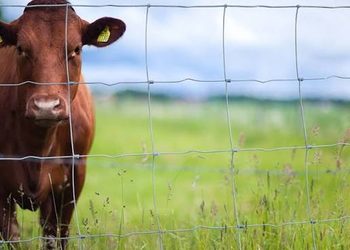
Agricultural production involves growing crops and rearing livestock, in order to produce a range of commodities or end-products. Farm enterprise diversification is simply the practice of producing a range of commodities as opposed to a single commodity on farmland.

Diversification constitutes the process of allocating farm resources or the factors of production (land, labor and capital) to different enterprises. This process identifies valuable or alternative enterprises that are expected to have a significant contribution to extra income generation, cost reduction, or risk minimization on the farm amongst other benefits.

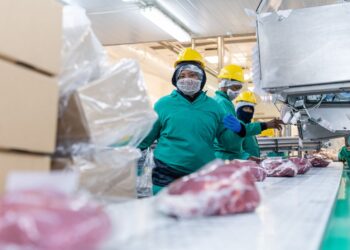
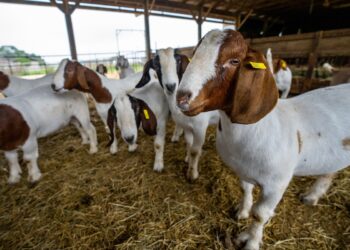
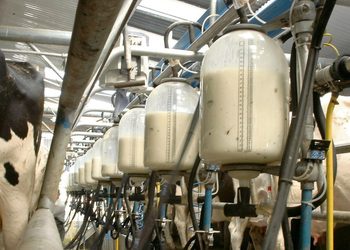
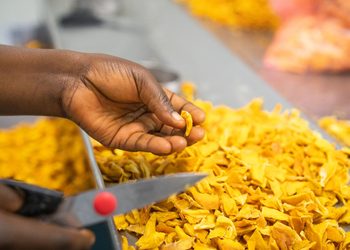
Diversification is not only the introduction of another different enterprise on the farm but can also entail the production of different commodities from the existing enterprise. For example, the options of diversification on one hand can be a combination of enterprises such as crop, cattle, chickens, wood, charcoal, aquaculture, horticulture, and/or agro-processing whereas on the other hand, it can be a combination of commodities from a single enterprise, for example, a cattle enterprise producing milk, beef, cheese, cream, and butter.

Diversification is driven by factors such as climate change, changing consumer demand, technology, government policies, and developmental activities amongst others. These factors exert pressure on agricultural productivity, thus influencing farmers to adjust or adopt responsive production systems or practices to ensure sustainability of their farm businesses. Farm enterprise diversification is one of the responsive approaches to sustainable agriculture, and is a mechanism of promoting food security and food self-sufficiency.

During the process of decision making, a farmer should consider certain aspects and undertake important tasks required for the effective implementation of the proposed enterprise. It is important to base the decision on the type of contribution the enterprise will have on the existing farm business operations, the

market opportunity, and the potential and capacity of the available land or farm resources to support the additional enterprise.

Diversification starts with the identification of the need or market for the alternative enterprise or commodity. This is where a farmer should understand consumer demand, especially the quality attributes sought after and demand sustainability. This includes, conducting market research, interacting with existing producers, institutions or role-players (e.g., poultry or charcoal associations, farmers unions, etc.) to understand the enterprise value chain, the production needs, and any other relevant information concerning the enterprise. In the process, one should establish strong networks within that industry.

Another important aspect to consider is the financing of the enterprise, the starting capital and all other costs associated with the enterprise production operations. Thus, it is crucial to develop a realistic business plan, identify financing options, e.g., loan, grant, or own funding, and secure funding for the enterprise. An important question to consider is whether the new enterprise will generate extra income at lower costs and risks as compared to the existing enterprise on the farm.

Introducing a new enterprise or commodity on the farm will be a challenging task since it may be a new experience for the farmer. Adoption and adaptation may be slower in the beginning due to limited skills or technological challenges, there may be errors, and some of the objectives may take a longer time to be achieved. It is therefore important to prepare for such and to explore appropriate corrective measures.

Lastly, diversification should be an economic decision for the purpose of expanding the income streams and spreading the risk of the farm business, “not keeping all the eggs in one basket”.

* Erastus Ngaruka is Technical Advisor: Livestock at Agribank

author avatar
editor
See Full Bio
Previous Post

Sanlam partners with The Brief to host The Sanlam Brief sessions

Next Post

The brand and corporate philosophy

Must Read

Group of cows crowded in metal pens at a livestock yard, beige and brown coats visible under bright daylight
Agriculture

Weaner demand drives 152% jump in Namibia live cattle exports

August 20, 2026
Herd of reddish-brown cattle standing on a dusty, sunlit savanna with sparse trees in the background.
Agriculture

Namibia’s live cattle exports surge 56% in June

August 19, 2026
Green tractor with large yellow wheels on a flat farm field under a bright blue sky
Agriculture

Agriculture Ministry launches drive to repair 508 tractors ahead of cropping season

August 18, 2026
Green combine harvester working in a dry cornfield during harvest, dust rising behind it.
Agriculture

Namibia’s 70% food import dependence exposes households to El Niño price shock

August 17, 2026
Savanna Beef secures export approval to UK, EU and EFTA markets
Agriculture

Savanna Beef secures export approval to UK, EU and EFTA markets

April 9, 2026
Namibian beef to feature in 42 German restaurants
Agriculture

Namibian beef to feature in 42 German restaurants

September 18, 2025
Load More

Related News

City Police expresses concern over unregulated informal trading

City Police expresses concern over unregulated informal trading

October 11, 2023
Oshikango leads Namibia’s busiest hub for informal cross-border trade

Oshikango leads Namibia’s busiest hub for informal cross-border trade

September 6, 2024
National internship programme benefits 760 students to date

National internship programme benefits 760 students to date

April 25, 2023

Browse by Category

  • Africa
  • Agriculture
  • Analysis
  • Business & Economy
  • Columnists
  • Companies
  • Finance
  • Finance
  • Fisheries
  • Green Hydrogen
  • Health
  • Investing
  • Latest
  • Market
  • Mining & Energy
  • Namibia
  • namibia
  • News
  • Opinions
  • Property
  • Retail
  • Technology
  • Tourism
  • Trade
The Brief | Namibia's Leading Business & Financial News

The Brief is Namibia's leading daily business, finance and economic news publication.

CATEGORIES

  • Business & Economy
  • Companies
    • Agriculture
    • Finance
    • Fisheries
    • Health
    • Property
    • Retail
    • Technology
    • Tourism
    • Trade
  • Finance
  • Green Hydrogen
  • Investing
  • Latest
  • Market
  • Mining & Energy
  • namibia
  • News
    • Africa
    • Namibia
  • Opinions
    • Analysis
    • Columnists

CONTACT US

Cell: +264814612969

Email: newsdesk@thebrief.com.na

© 2026 The Brief | All Rights Reserved. Namibian Business News, Current Affairs, Analysis and Commentary

Welcome Back!

Login to your account below

Forgotten Password?

Retrieve your password

Please enter your username or email address to reset your password.

Log In
No Result
View All Result
  • Home
  • Companies
  • Mining & Energy
  • Business & Economy
  • Opinions
    • Analysis
    • Columnists
  • Africa

© 2026 The Brief | All Rights Reserved. Namibian Business News, Current Affairs, Analysis and Commentary

This website uses cookies. By continuing to use this website you are giving consent to cookies being used. Visit our Privacy and Cookie Policy.