Namibia and Angola are seeking to accelerate the implementation of major cross-border infrastructure projects, including the Baynes Hydropower Station, railway expansion, electricity interconnection and water supply infrastructure, amid concerns over slow progress in delivering bilateral commitments.
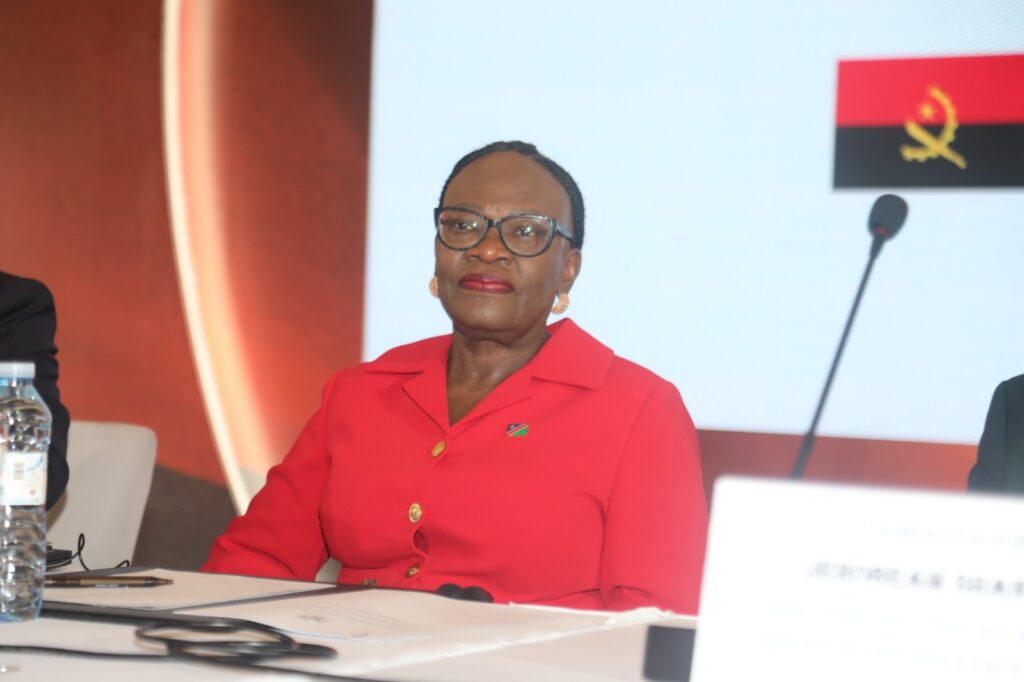
Minister of International Relations and Trade Selma Ashipala-Musavyi said the two countries needed to strengthen coordination and accountability to ensure that long-standing infrastructure agreements translate into completed projects and economic benefits.
Speaking at the ministerial session of the inaugural Angola-Namibia Bi-National Commission in Luanda on 18 October 2026, Ashipala-Musavyi proposed introducing a digital scorecard to monitor progress on agreed projects and commitments.
“To ensure that we continuously track progress in the implementation of the agreed commitments of our Bi-National Commission, I propose, as a way forward, that we adopt a digital scorecard system for our BNC,” she said.
Among the priority projects are the proposed Baynes Hydropower Station, the Angola-Namibia Interconnector Project, the establishment of a one-stop border post at Oshikango-Santa Clara, the extension of the railway line from Oshikango into Angola and the expansion of Angola’s Cafu Canal water infrastructure into Namibia.
These projects are expected to strengthen electricity supply, improve cross-border transport and trade, and support agricultural development and water security in both countries.
Ashipala-Musavyi said closer cooperation was necessary to address socioeconomic challenges and unlock economic opportunities in sectors where the two countries have shared interests.
She also expressed concern over declining bilateral trade, saying Namibia and Angola needed to take urgent steps to revive commercial activity and strengthen investment flows.
“Trade between our two countries has declined and urgently needs to be recharged. Considerable economic potential and comparative advantages can be realised through enhanced bilateral trade and investment,” she said.
Ashipala-Musavyi said the countries’ geographical proximity, shared border and established economic and social relationships provided opportunities to expand trade and investment.
The inaugural Bi-National Commission replaces the previous Joint Commission of Cooperation framework with a higher-level mechanism intended to strengthen political oversight and accelerate the implementation of bilateral agreements.
The commission is guided by the two countries’ heads of state and is expected to improve coordination between government ministries and institutions responsible for delivering joint programmes.
An Angola-Namibia Business Forum, scheduled alongside the presidential segment of the commission, is expected to bring together businesses from both countries to explore investment opportunities, establish commercial partnerships and strengthen trade relations.
Ashipala-Musavyi urged ministers to move beyond commitments and prioritise the implementation of projects that would deliver measurable benefits to citizens in both countries.