…Bernini drives 15% growth in NBL cider volumes
The termination of Namibia Breweries Limited’s (NBL) minimum-volume supply arrangement with HEINEKEN Beverages South Africa contributed to a 38.2% decline in beer exports to South Africa in the six months ended June 2026, weighing on the brewer’s revenue and profitability.
The minimum-volume commitment formally ended in April 2026, after which NBL moved to a standard forecast-based intercompany supply model with HEINEKEN Beverages South Africa.
The sharp decline in export volumes contributed to a 21% fall in operating profit to N$221.8 million, while net revenue declined 3.9% to N$2.02 billion from N$2.10 billion in the corresponding period.
Profit attributable to shareholders fell to N$153.8 million from N$198.9 million, while headline earnings per share declined 24.3% to 74 cents.
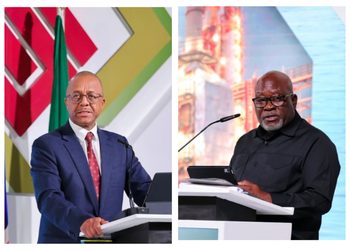
NBL Managing Director Waldemar von Lieres said the change in the South African supply arrangement had been anticipated, but its impact was reflected in the company’s first-half financial performance.
“The South African supply change was planned and disclosed to the market at the time and we have prepared for it. It reduced our export volume and our profit as a result. We have been transparent that the change would have an impact, and today we want to be equally clear about what happens and how we will respond in the future,” von Lieres said.
NBL said lower South African exports, together with reorganisation and realignment costs, were the main drivers of the weaker earnings performance.
The decline in exports came as NBL also faced pressure in its domestic market, where beer volumes fell 3.3% amid weaker consumer conditions.
However, von Lieres said the company gained overall portfolio market share while keeping prices broadly flat and continuing to invest in its brands.
“Domestic beer declined by about 3.3%. At the same time, we gained total portfolio market share. We kept pricing broadly flat and continued to invest behind our brands, because remaining relevant and accessible to consumers matters, particularly in a difficult moment,” he said.
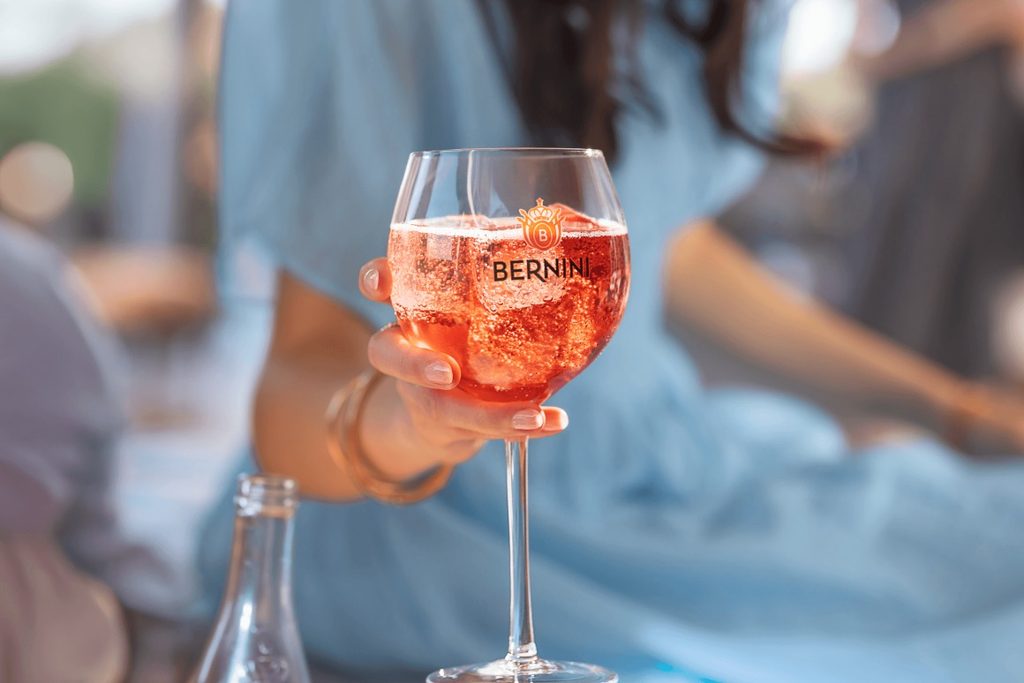
Other product categories provided some support, with cider volumes increasing 15%, driven by Bernini, while the non-alcoholic portfolio also recorded strong growth.
NBL said its new Red Bull distribution agreement contributed positively to volumes and revenue, while wine volumes declined and spirits remained broadly flat.
Von Lieres said the company was not relying on South African export volumes returning to previous levels and was instead adjusting its operations to the lower export base.
“Our response is not to wait for the old volumes to return. We are working on making NBL productive and competitive at the volumes that we can design around while retaining the ability to pursue growth,” he said.
Total costs declined 1% during the period, although savings from lower production volumes were largely offset by higher employee-related expenses, increased marketing investment and restructuring costs.
Despite the weaker profit performance, cash generated from operations increased 12% to N$482 million, from N$430.5 million in the corresponding period.
Finance Director Willem Bierens de Haan said NBL would focus on improving productivity, operational flexibility and cost competitiveness during the second half of 2026 while continuing to invest in its brands.