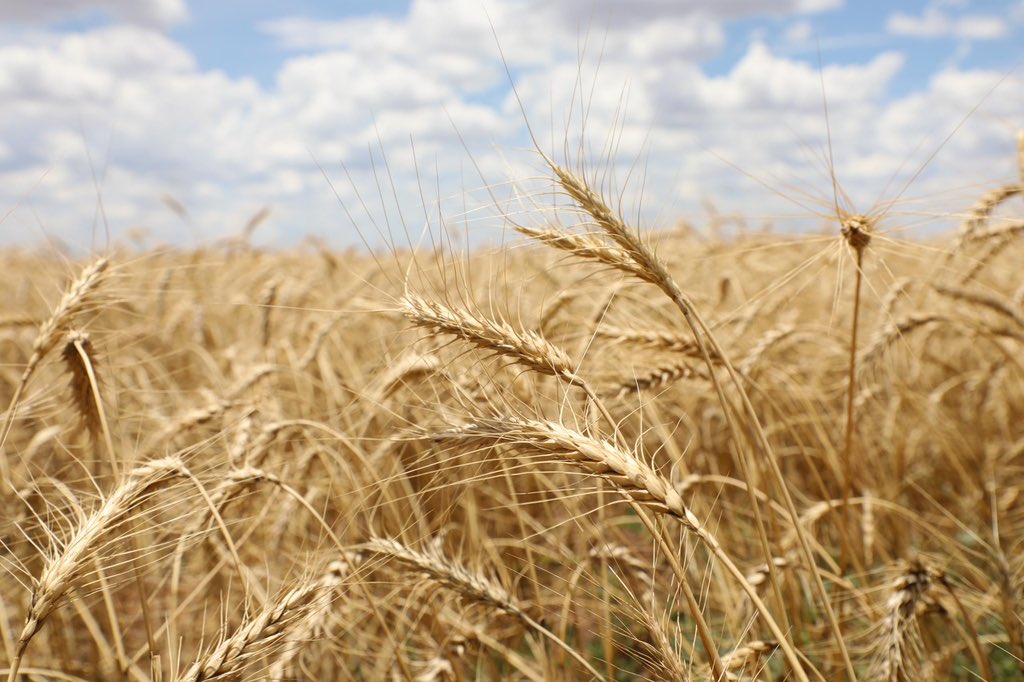
Namibia remains heavily dependent on food imports, sourcing 96% of its fruit, 87% of its wheat and 64% of its maize requirements from outside the country, as the government moves to increase domestic crop production and reduce reliance on foreign supplies.
Deputy Minister of Agriculture, Fisheries, Water and Land Reform Ruthy Masake said Namibia also imported about 64% of its pearl millet requirements during the 2025/26 season, while approximately 46% of vegetables consumed domestically came from imports.
Potatoes, the country’s largest horticultural product by consumption, also remain heavily dependent on imports.
“While considerable progress has been made, Namibia still relies on imports to meet a significant share of its food requirements. In the 2025/26 season, approximately 64% of our maize, 87% of our wheat and 64% of our pearl millet requirements were imported,” Masake said.
“In horticulture, approximately 46% of vegetables and 96% of fruit consumed domestically are imported. Potatoes, our largest horticultural product by consumption, also remain heavily import-dependent.”
Masake said the high dependence on imported food exposes weaknesses in Namibia’s domestic food production capacity.
She said reducing imports could create opportunities for local investment, employment and agricultural value addition while retaining more income within the domestic economy.
“Every product we can competitively produce locally represents an opportunity for investment, employment, value addition and income retained within our economy,” she said.
The government is now targeting increased domestic food production under the Sixth National Development Plan (NDP6), with a focus on reducing food imports and expanding commercial crop production.
The plan seeks to increase horticultural production, expand strategic crop exports and bring more productive land under commercial and large-scale crop farming.
It also targets increased domestic production of agricultural inputs, expansion of agro-processing, irrigation development, research and innovation, climate-smart agriculture and improved market access.
“Towards 2030, the Plan seeks to increase domestic food production, reduce dependence on food imports, increase the contribution of crop value chains to the economy, raise domestic horticultural production, expand strategic crop exports, develop domestic capacity for agricultural inputs, increase the contribution of agro-processing, and expand productive land under commercial and large-scale crop production,” Masake said.
She said Namibia’s agricultural sector needs to shift from predominantly primary and subsistence production towards a more productive, commercial, technology-driven and industrialised model.
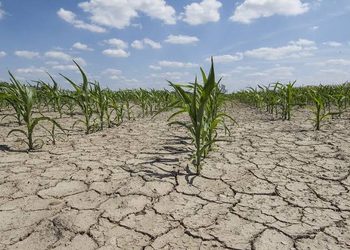
The push for greater food self-sufficiency comes as local farmers continue to face erratic rainfall, recurrent droughts, water scarcity, rising production costs, pest pressures and climate change.
Masake said strengthening domestic production would require investment across the agricultural value chain, including farming, research, technology, logistics and processing.
She also called for greater participation by young people and women in commercial agriculture, saying emerging technologies and modern agribusiness could create new economic opportunities.
“The future of agriculture will increasingly be shaped by technology, research, innovation, logistics, processing and modern agribusiness. Young Namibians must therefore be positioned to seize these opportunities,” she said.