Saturday, September 19, 2026
Subscribe
The Brief | Namibia's Leading Business & Financial News
  • Home
  • Companies
    • Finance
    • Agriculture
    • Technology
    • Property
    • Trade
    • Tourism
  • Business & Economy
  • E-PAPERreader
  • Mining & Energy
  • Opinions
    • Analysis
    • Columnists
  • Africa
No Result
View All Result
The Brief | Namibia's Leading Business & Financial News
  • Home
  • Companies
    • Finance
    • Agriculture
    • Technology
    • Property
    • Trade
    • Tourism
  • Business & Economy
  • E-PAPERreader
  • Mining & Energy
  • Opinions
    • Analysis
    • Columnists
  • Africa
No Result
View All Result
The Brief | Namibia's Leading Business & Financial News
Subscribe
No Result
View All Result
Home Companies Agriculture

Namibia imports 87% of wheat, 64% of maize and pearl millet, 96% of fruit

by reporter
September 18, 2026
in Agriculture
7
A A
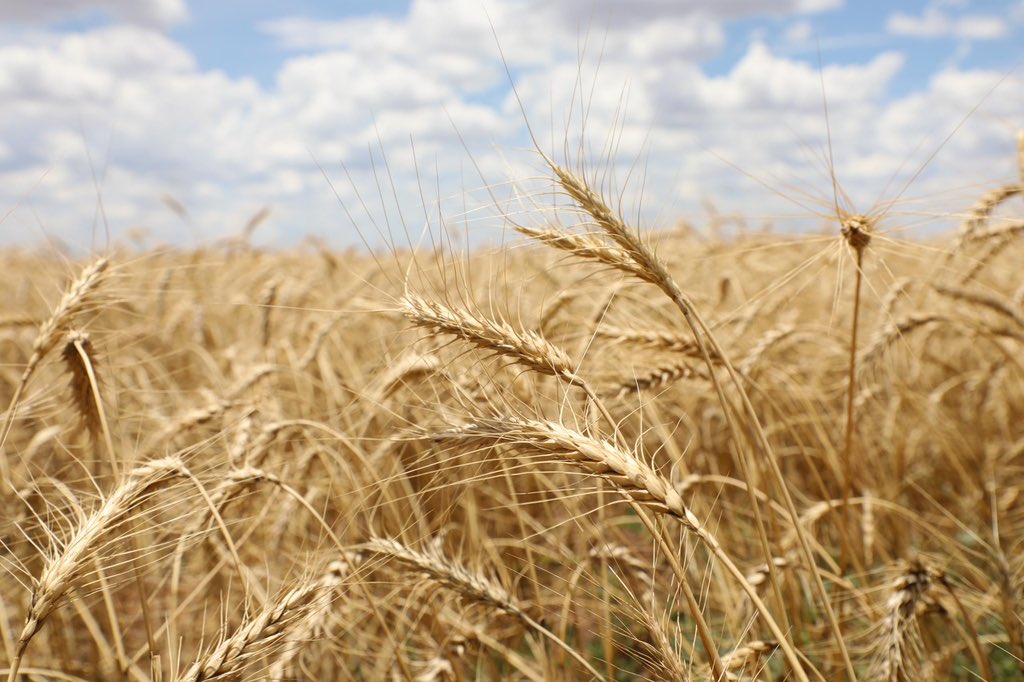
Close-up of ripe golden wheat heads in a sunlit field with a blue, partly cloudy sky above.

Namibia remains heavily dependent on food imports, sourcing 96% of its fruit, 87% of its wheat and 64% of its maize requirements from outside the country, as the government moves to increase domestic crop production and reduce reliance on foreign supplies.

Deputy Minister of Agriculture, Fisheries, Water and Land Reform Ruthy Masake said Namibia also imported about 64% of its pearl millet requirements during the 2025/26 season, while approximately 46% of vegetables consumed domestically came from imports.

Potatoes, the country’s largest horticultural product by consumption, also remain heavily dependent on imports.

“While considerable progress has been made, Namibia still relies on imports to meet a significant share of its food requirements. In the 2025/26 season, approximately 64% of our maize, 87% of our wheat and 64% of our pearl millet requirements were imported,” Masake said.

“In horticulture, approximately 46% of vegetables and 96% of fruit consumed domestically are imported. Potatoes, our largest horticultural product by consumption, also remain heavily import-dependent.”

Masake said the high dependence on imported food exposes weaknesses in Namibia’s domestic food production capacity.

She said reducing imports could create opportunities for local investment, employment and agricultural value addition while retaining more income within the domestic economy.

“Every product we can competitively produce locally represents an opportunity for investment, employment, value addition and income retained within our economy,” she said.

The government is now targeting increased domestic food production under the Sixth National Development Plan (NDP6), with a focus on reducing food imports and expanding commercial crop production.

The plan seeks to increase horticultural production, expand strategic crop exports and bring more productive land under commercial and large-scale crop farming.

It also targets increased domestic production of agricultural inputs, expansion of agro-processing, irrigation development, research and innovation, climate-smart agriculture and improved market access.

“Towards 2030, the Plan seeks to increase domestic food production, reduce dependence on food imports, increase the contribution of crop value chains to the economy, raise domestic horticultural production, expand strategic crop exports, develop domestic capacity for agricultural inputs, increase the contribution of agro-processing, and expand productive land under commercial and large-scale crop production,” Masake said.

She said Namibia’s agricultural sector needs to shift from predominantly primary and subsistence production towards a more productive, commercial, technology-driven and industrialised model.

The push for greater food self-sufficiency comes as local farmers continue to face erratic rainfall, recurrent droughts, water scarcity, rising production costs, pest pressures and climate change.

Masake said strengthening domestic production would require investment across the agricultural value chain, including farming, research, technology, logistics and processing.

She also called for greater participation by young people and women in commercial agriculture, saying emerging technologies and modern agribusiness could create new economic opportunities.

“The future of agriculture will increasingly be shaped by technology, research, innovation, logistics, processing and modern agribusiness. Young Namibians must therefore be positioned to seize these opportunities,” she said.

author avatar
reporter
See Full Bio
Previous Post

New Consumer Protection Agency planned to strengthen consumer rights in Namibia

Next Post

French healthcare group CFAO secures conditional approval to acquire Nampharm

Must Read

Potential FMD outbreak could cost Namibia up to N$6bn in export losses
Agriculture

Cattle sales surge as Namibia markets 114,532 livestock in July

September 16, 2026
Young corn plants growing in a cracked, dry field under a blue sky, showing drought stress.
Agriculture

Namibia faces agriculture, water and energy pressure as dry 2026/27 season looms

September 7, 2026
Workers in hard hats and gloves stretch a large gray fabric over a worktable in an industrial textile setting.
Agriculture

Meatco targets EU, Asian markets for Namibian leather

September 2, 2026
Namibia among countries seeing modest recovery in cereal output
Agriculture

Namibia’s 2026 cereal output forecast at 155,000 tonnes

September 1, 2026
Professional portrait of a smiling man in a dark suit and blue tie against a white background with glasses on.
Agriculture

LLPBN officially appoints Vehaka Tijimune as CEO

August 31, 2026
Namibia slaughtered over 14 million chickens by end of September
Agriculture

Namibia’s poultry output forecast to rise 13.8% to 3.81 million kg

August 28, 2026
Load More

Related News

Why Humility Is the New Competitive Advantage in Leadership

You don’t have to be great to start, but you have to start to be great

June 5, 2026
Makalani plans N$1 billion capital raise for regional impact fund

Makalani plans N$1 billion capital raise for regional impact fund

July 10, 2025
Namibia set to launch first export consignment under AfCFTA

Namibia set to launch first export consignment under AfCFTA

February 19, 2025

Browse by Category

  • Africa
  • Agriculture
  • Analysis
  • Business & Economy
  • Columnists
  • Companies
  • e-edition
  • Finance
  • Finance
  • Fisheries
  • Green Hydrogen
  • Health
  • Investing
  • Latest
  • Market
  • Mining & Energy
  • Namibia
  • namibia
  • News
  • Opinions
  • Property
  • Retail
  • Technology
  • Tourism
  • Trade
The Brief | Namibia's Leading Business & Financial News

The Brief is Namibia's leading daily business, finance and economic news publication.

CATEGORIES

  • Business & Economy
  • Companies
    • Agriculture
    • Finance
    • Fisheries
    • Health
    • Property
    • Retail
    • Technology
    • Tourism
    • Trade
  • e-edition
  • Finance
  • Green Hydrogen
  • Investing
  • Latest
  • Market
  • Mining & Energy
  • namibia
  • News
    • Africa
    • Namibia
  • Opinions
    • Analysis
    • Columnists

CONTACT US

Cell: +264814612969

Email: newsdesk@thebrief.com.na

© 2026 The Brief | All Rights Reserved. Namibian Business News, Current Affairs, Analysis and Commentary

Welcome Back!

Login to your account below

Forgotten Password?

Retrieve your password

Please enter your username or email address to reset your password.

Log In
No Result
View All Result
  • Home
  • Companies
  • Mining & Energy
  • Business & Economy
  • Opinions
    • Analysis
    • Columnists
  • Africa

© 2026 The Brief | All Rights Reserved. Namibian Business News, Current Affairs, Analysis and Commentary

This website uses cookies. By continuing to use this website you are giving consent to cookies being used. Visit our Privacy and Cookie Policy.