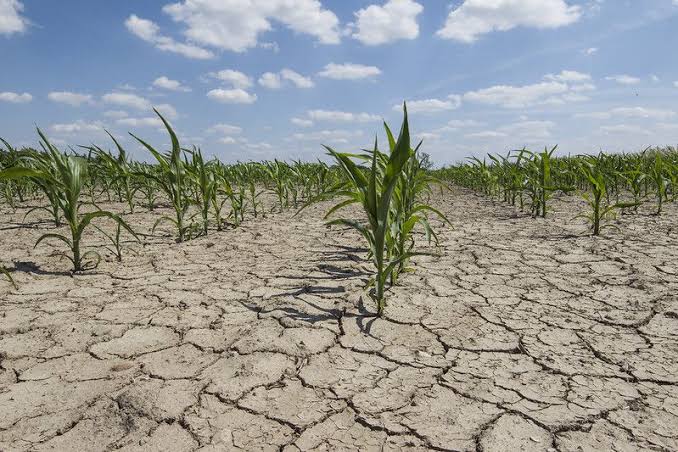
Namibia’s agriculture, water and energy sectors are expected to come under pressure during the 2026/27 rainy season, with the Namibia Meteorological Service (NMS) forecasting below-normal rainfall and above-average temperatures across most of the country.
The outlook raises risks for crop production, livestock grazing, water availability and energy supply as a strengthening El Niño event is expected to drive hotter and drier conditions.
According to NMS, below-normal rainfall is expected across most of Namibia from October to December 2026, with conditions projected to worsen between January and March 2027. Some areas could receive only 70% to 90% of their long-term average rainfall.
“Drier-than-normal rainfall and above-normal maximum temperatures are expected during the 2026/27 season. This is driven largely by firmly established and intensifying El Niño conditions on the backdrop of weakened regional climate drivers,” NMS said.
Agriculture faces significant risks, particularly during the January-to-March period, which coincides with critical stages of crop development.
Rainfall deficits are expected to exceed 100 millimetres and reach as much as 150 millimetres in parts of Ohangwena, Omusati, Oshikoto, Kavango West, Otjozondjupa and Khomas.
“This below-normal rainfall coverage is an indication of an expected drier-than-normal rainfall season,” NMS said.
The forecast follows mixed conditions during the 2025/26 season, when parts of northern and north-eastern Namibia received above-normal rainfall. Flooding in the Zambezi Region affected 8,068 households, displaced more than 2,300 families and disrupted farming activities after crops were submerged before reaching maturity.
Water resources are also expected to come under pressure, with lower rainfall potentially reducing inflows into dams and limiting groundwater recharge.
NMS said the combination of a strengthening El Niño and a positive Indian Ocean Dipole is expected to weaken the Angola Low and strengthen the Botswana High, reducing the transport of moisture into Southern Africa.
The energy sector could also face pressure, particularly where electricity generation and industrial operations depend on water availability. Higher temperatures could simultaneously increase electricity demand for cooling and place additional strain on water infrastructure.
Maximum temperatures between October and December 2026 are forecast to remain above average across Namibia, with increases of up to 2°C expected in parts of the south-east.
Between January and March 2027, temperatures could rise by as much as 3°C above average in western Ohangwena, northern Hardap, western Erongo and Omaheke.
“This climate intelligence and insights should trigger preparedness and early action in our disaster management and climate-sensitive sectors like agriculture, health, energy and water resources,” NMS said.
The forecast is in line with broader regional projections for below-average rainfall and extreme heat across much of Southern Africa during the 2026/27 rainy season as El Niño strengthens.
NMS said it will continue monitoring climate conditions and provide monthly updates through its Climate Watch Bulletin, while the Directorate of Disaster Risk Management is expected to coordinate seasonal preparedness measures.