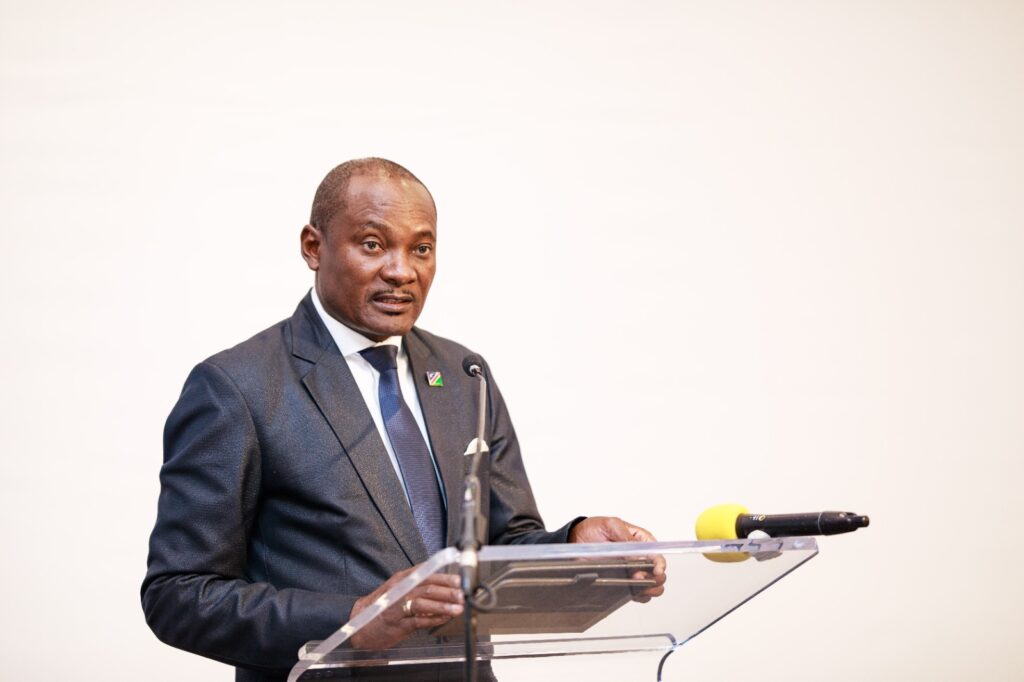
Governance failures in Namibia’s public enterprises are costing the country jobs and revenue, with Member of Parliament and former Environment and Tourism minister , Pohamba Shifeta warning that poor oversight and weak accountability are undermining the performance of state-owned entities holding assets worth about N$60 billion.
Speaking in Parliament, Shifeta said the country is not lacking in resources or talent, but in effective governance structures to ensure public enterprises deliver value.
“Namibia’s public enterprises control assets worth over N$60 billion. If even half of them perform at private sector benchmark levels, the country could unlock jobs, dividends and improved services without raising a single tax,” he said.
He called on lawmakers to support the Public Enterprise Governance Amendment Bill, arguing it is critical to fixing structural weaknesses that have long constrained performance.
“The issue is not that we lack talent. Policy direction often arrives late, and there has been confusion over roles and responsibilities. Boards are appointed but not properly monitored or compelled to perform. The result is paralysis, and the taxpayer funds that paralysis. This bill corrects that anomaly,” Shifeta said.
The proposed legislation seeks to draw clearer lines between government and boards, with ministers responsible for setting policy and evaluating outcomes, while boards focus on strategy, appointing executives and driving performance.
“The relevant minister sets national policy, approves the strategic business plan and evaluates outcomes. The board translates policy into commercial strategy, appoints the chief executive and drives performance. No board should decide national policy. This creates space for accountability,” he said.
The bill also introduces structured coordination between ministers and the Prime Minister, replacing what Shifeta described as informal decision-making processes.
“Good governance is not an accident. It is essential. This mechanism replaces corridor consultations with transparent engagement, ensuring decisions are timely, documented and binding,” he said.
It further seeks to enforce stricter performance discipline through mandatory governance agreements and measurable targets, with Treasury support limited to clearly defined public service obligations.
“We cannot preach commercial discipline while practising soft budget constraints. This bill gives boards the authority to manage and the responsibility to deliver,” Shifeta said.
He dismissed concerns that the reforms would weaken ministerial oversight, arguing instead that they would strengthen accountability across state-owned enterprises.
“Non-performance must have consequences. With authority comes accountability,” he said.