Friday, July 31, 2026
SUBSCRIBE
The Brief | Namibia's Leading Business & Financial News
  • Home
  • Companies
    • Finance
    • Agriculture
    • Technology
    • Property
    • Trade
    • Tourism
  • Business & Economy
  • E-PAPERreader
  • Mining & Energy
  • Opinions
    • Analysis
    • Columnists
  • Africa
No Result
View All Result
The Brief | Namibia's Leading Business & Financial News
  • Home
  • Companies
    • Finance
    • Agriculture
    • Technology
    • Property
    • Trade
    • Tourism
  • Business & Economy
  • E-PAPERreader
  • Mining & Energy
  • Opinions
    • Analysis
    • Columnists
  • Africa
No Result
View All Result
The Brief | Namibia's Leading Business & Financial News
Subscribe
No Result
View All Result
DSTV WC26 Campaign
Home Latest

Namibia’s road sector funding gap reaches N$3.7 billion

by reporter
April 21, 2026
in Latest
9
A A
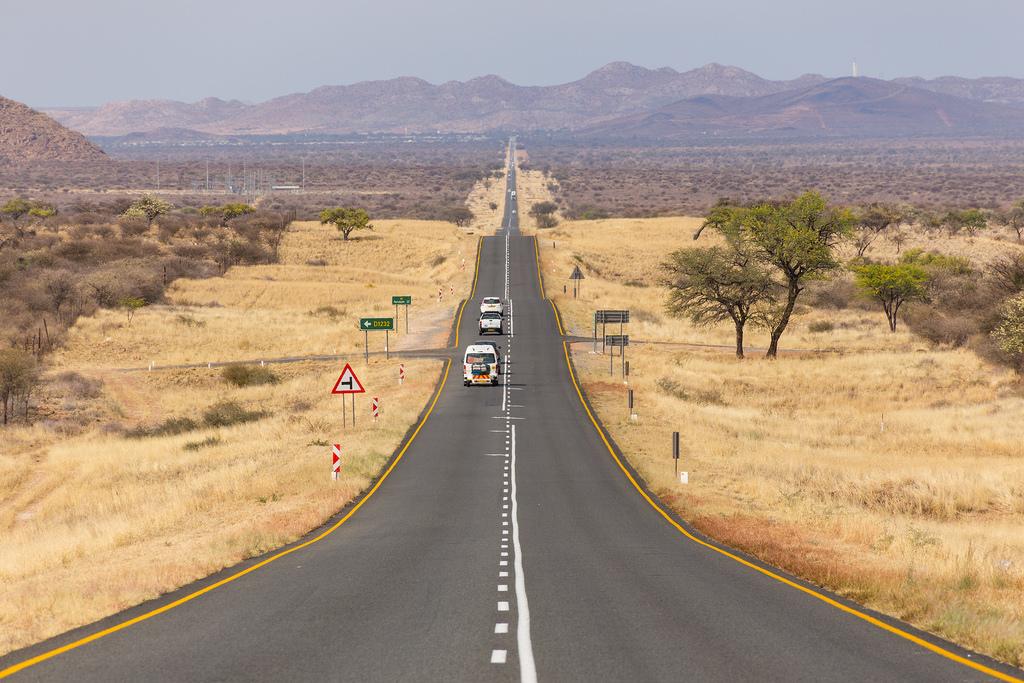
Long straight desert highway stretching to distant mountains with a few cars traveling in single file, signposts along the road.

Namibia’s road sector funding gap has reached about N$3.7 billion for the 2025/26 financial year, according to the Road Fund Administration (RFA).

RFA Chief Executive Officer Ali Ipinge said the shortfall remains significant despite some improvement, with recent fuel levy relief measures expected to further reduce revenue.

“The reality is clear: the road sector funding gap remains significant. In the 2025/26 financial period, the gap stands at approximately N$3.7 billion. While this reflects an improvement from the previous year, it remains at a level we must consider alarming,” Ipinge said.

The funding constraints come amid rising demand for road infrastructure, higher input costs and climate-related risks affecting maintenance and construction.

Ipinge said Namibia’s road network remains a key enabler of economic activity, supporting trade, access to services and regional connectivity, placing additional pressure on funding models to remain stable and predictable.

“A road, in Namibia’s design standards context, has an average design life of about 20 years. The question is how long ago many of our roads were built, and whether they were constructed to withstand our climate, traffic and future needs,” he said.

The sector continues to face pressure from reduced revenues linked to policy measures aimed at cushioning consumers from rising fuel and logistics costs, underscoring the need for diversified funding mechanisms.

Ipinge said the RFA is implementing a range of interventions, including adjustments to road user charges, alternative funding streams and strengthened public-private partnerships to address the shortfall.

He was speaking as the RFA moves to strengthen research and explore alternative financing mechanisms through a new agreement with the Namibia University of Science and Technology (NUST).

Under the agreement, the RFA will invest more than N$2 million annually over five years, totalling N$10 million, to support research, innovation and capacity development in the road sector.

The partnership is aimed at addressing structural funding challenges, rising maintenance costs and long-term infrastructure sustainability through applied research and data-driven solutions.

“Recent interventions, such as the temporary 50% fuel levy reduction, are expected to result in an estimated revenue loss of around N$300 million over the next three months, further placing pressure on our ability to fund road programmes and projects,” Ipinge said.

The collaboration will focus on developing alternative revenue streams, including distance-based road user charges and mechanisms for electric vehicles, as well as expanding public-private partnerships and exploring debt and bond instruments.

“This memorandum of agreement with NUST is not just a partnership; it is a commitment to sustainable, evidence-based solutions for Namibia,” he said.

Research under the agreement will also examine climate-resilient infrastructure, sustainable construction materials and cost-effective maintenance approaches to improve long-term asset performance.

NUST said the partnership aligns with its mandate to support applied research and innovation, with a focus on translating academic work into practical solutions for industry.

“This partnership reflects a shared vision between NUST and the RFA to bridge the gap between academic knowledge and industry application,” said Acting Vice-Chancellor Andrew Niikondo.

The partnership is expected to contribute to more resilient and efficient funding models, while strengthening technical capacity and supporting long-term infrastructure planning.


author avatar
reporter
See Full Bio
Previous Post

Namibia launches fruit subsidy scheme targeting 400 hectares by 2030

Next Post

The quiet doubt behind high performance and growth

Must Read

Person using an ATM, inserting a card while holding a wallet nearby in a bank lobby
Latest

High banking costs keep many Namibians out of formal financial system

July 31, 2026
Professional man in a white shirt with a teal logo stands with arms crossed in a bright, modern office setting (logo reads 'DAURES GREEN HYDROGEN VILLAGE').
Latest

Mondjila appointed to lead Daures Green Hydrogen Village Phase 2

July 31, 2026
Namibia fuel prices set to drop in June
Latest

Fuel prices to rise by N$2.00 a litre as government restores levies

July 31, 2026
Namibia’s beef exports plunge nearly 50% in Q2
Latest

Namibia targets higher beef exports and value addition in livestock sector

July 31, 2026
Erongo Regional Council sign on a beige brick wall with a blue canopy over a gated entrance along a sidewalk.
Latest

Erongo proposes reclamation plant to address water challenges

July 31, 2026
Professional headshot of a man in a dark suit and red tie against a white background.
Latest

NamPost appoints Willem Mouton as CEO

July 31, 2026
Load More

Related News

Bank of Namibia keeps repo rate unchanged at 6.75%

Namibia’s financial system stable amid global uncertainty – BoN

July 22, 2025
Namibia to unveil national brand next year

Namibia to unveil national brand next year

August 24, 2023
AI eating its own tail? Why business leaders must rethink synthetic data dependency

From calculators to intelligence: How AI can transform banking in Namibia

February 27, 2026

Browse by Category

  • Africa
  • Agriculture
  • Analysis
  • Business & Economy
  • Columnists
  • Companies
  • Finance
  • Finance
  • Fisheries
  • Green Hydrogen
  • Health
  • Investing
  • Latest
  • Market
  • Mining & Energy
  • Namibia
  • namibia
  • News
  • Opinions
  • Property
  • Retail
  • Technology
  • Tourism
  • Trade
The Brief | Namibia's Leading Business & Financial News

The Brief is Namibia's leading daily business, finance and economic news publication.

CATEGORIES

  • Business & Economy
  • Companies
    • Agriculture
    • Finance
    • Fisheries
    • Health
    • Property
    • Retail
    • Technology
    • Tourism
    • Trade
  • Finance
  • Green Hydrogen
  • Investing
  • Latest
  • Market
  • Mining & Energy
  • namibia
  • News
    • Africa
    • Namibia
  • Opinions
    • Analysis
    • Columnists

CONTACT US

Cell: +264814612969

Email: newsdesk@thebrief.com.na

© 2026 The Brief | All Rights Reserved. Namibian Business News, Current Affairs, Analysis and Commentary

Welcome Back!

Login to your account below

Forgotten Password?

Retrieve your password

Please enter your username or email address to reset your password.

Log In
No Result
View All Result
  • Home
  • Companies
  • Mining & Energy
  • Business & Economy
  • Opinions
    • Analysis
    • Columnists
  • Africa

© 2026 The Brief | All Rights Reserved. Namibian Business News, Current Affairs, Analysis and Commentary

This website uses cookies. By continuing to use this website you are giving consent to cookies being used. Visit our Privacy and Cookie Policy.