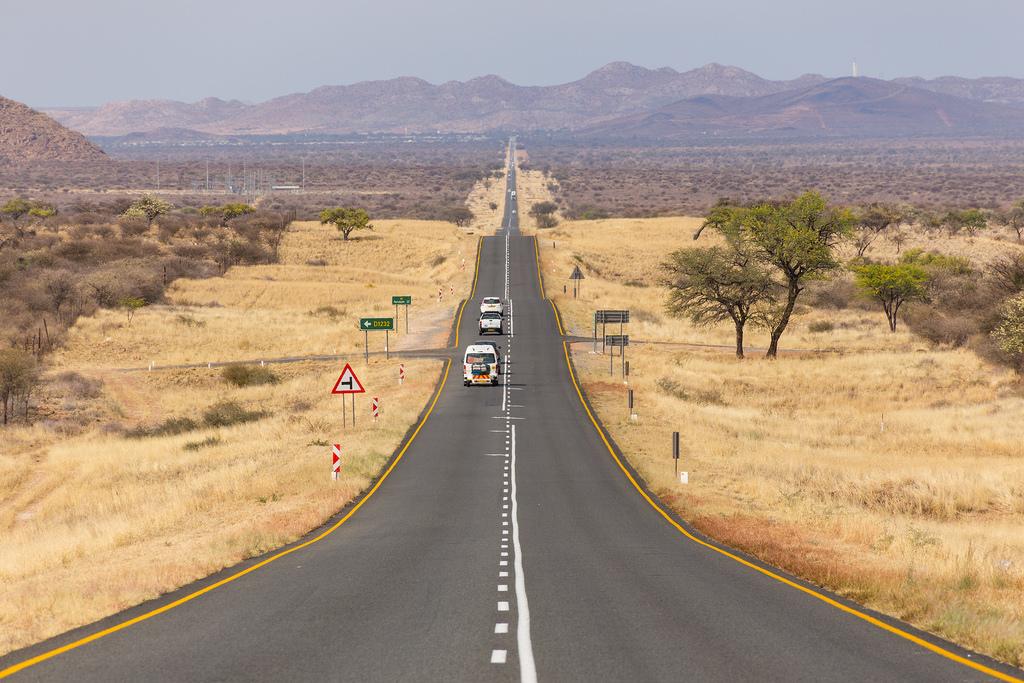
Namibia’s road sector funding gap has reached about N$3.7 billion for the 2025/26 financial year, according to the Road Fund Administration (RFA).
RFA Chief Executive Officer Ali Ipinge said the shortfall remains significant despite some improvement, with recent fuel levy relief measures expected to further reduce revenue.
“The reality is clear: the road sector funding gap remains significant. In the 2025/26 financial period, the gap stands at approximately N$3.7 billion. While this reflects an improvement from the previous year, it remains at a level we must consider alarming,” Ipinge said.
The funding constraints come amid rising demand for road infrastructure, higher input costs and climate-related risks affecting maintenance and construction.
Ipinge said Namibia’s road network remains a key enabler of economic activity, supporting trade, access to services and regional connectivity, placing additional pressure on funding models to remain stable and predictable.
“A road, in Namibia’s design standards context, has an average design life of about 20 years. The question is how long ago many of our roads were built, and whether they were constructed to withstand our climate, traffic and future needs,” he said.
The sector continues to face pressure from reduced revenues linked to policy measures aimed at cushioning consumers from rising fuel and logistics costs, underscoring the need for diversified funding mechanisms.
Ipinge said the RFA is implementing a range of interventions, including adjustments to road user charges, alternative funding streams and strengthened public-private partnerships to address the shortfall.
He was speaking as the RFA moves to strengthen research and explore alternative financing mechanisms through a new agreement with the Namibia University of Science and Technology (NUST).
Under the agreement, the RFA will invest more than N$2 million annually over five years, totalling N$10 million, to support research, innovation and capacity development in the road sector.
The partnership is aimed at addressing structural funding challenges, rising maintenance costs and long-term infrastructure sustainability through applied research and data-driven solutions.
“Recent interventions, such as the temporary 50% fuel levy reduction, are expected to result in an estimated revenue loss of around N$300 million over the next three months, further placing pressure on our ability to fund road programmes and projects,” Ipinge said.
The collaboration will focus on developing alternative revenue streams, including distance-based road user charges and mechanisms for electric vehicles, as well as expanding public-private partnerships and exploring debt and bond instruments.
“This memorandum of agreement with NUST is not just a partnership; it is a commitment to sustainable, evidence-based solutions for Namibia,” he said.
Research under the agreement will also examine climate-resilient infrastructure, sustainable construction materials and cost-effective maintenance approaches to improve long-term asset performance.
NUST said the partnership aligns with its mandate to support applied research and innovation, with a focus on translating academic work into practical solutions for industry.
“This partnership reflects a shared vision between NUST and the RFA to bridge the gap between academic knowledge and industry application,” said Acting Vice-Chancellor Andrew Niikondo.
The partnership is expected to contribute to more resilient and efficient funding models, while strengthening technical capacity and supporting long-term infrastructure planning.