The Namibia Health Plan (NHP) has repositioned preventative healthcare as a core pillar of its strategy, signalling a shift from a traditional claims-paying model towards earlier intervention and long-term member wellbeing.
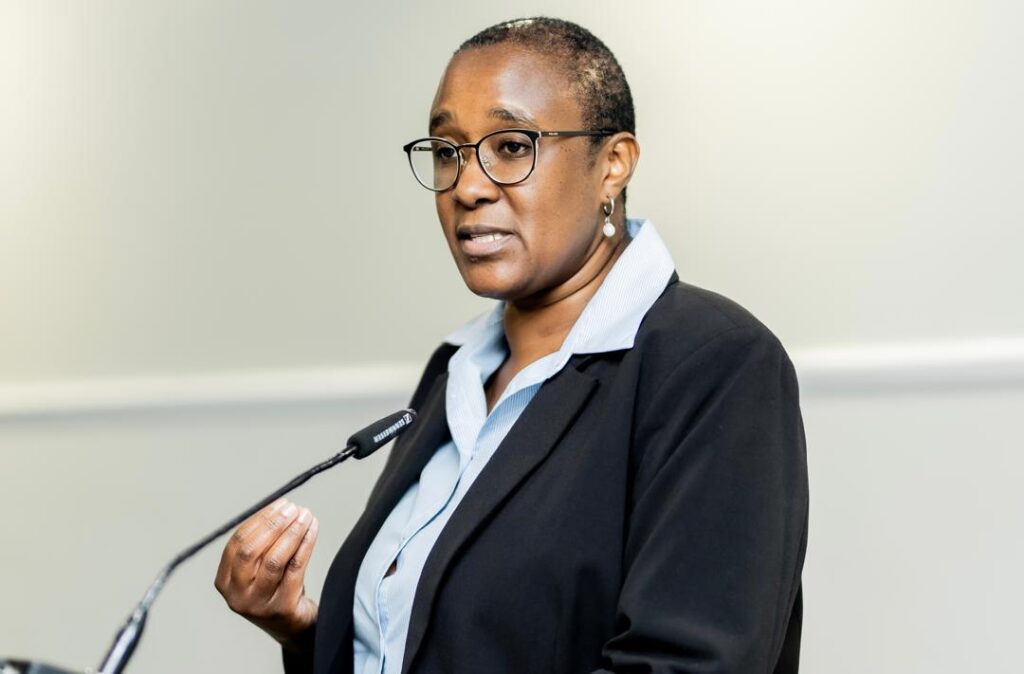
Speaking during an engagement in Windhoek, Principal Officer Dantago Garosas said the fund is placing greater emphasis on early detection, wellness education and risk management as part of its long-term sustainability strategy.
“As Namibia’s largest medical aid fund, we understand that our role goes beyond funding treatment. We must help lead the conversation on prevention, early detection and healthier living. Our responsibility is not only to process claims when members are unwell, but to support them in staying well for longer. That is better for our members, better for employers and essential for the long-term sustainability of the fund,” she said.
Garosas explained that the preventative healthcare framework includes structured health risk assessments, targeted screenings, chronic disease management programmes, mental health initiatives and workplace wellness interventions. The aim, she said, is to identify health risks before they escalate into serious illnesses requiring costly hospital treatment.
The shift comes amid a growing burden of non-communicable diseases in Namibia, including hypertension, diabetes, cancer and mental health-related conditions, which continue to drive healthcare utilisation and long-term treatment costs.
“Earlier intervention reduces avoidable complications and improves quality of life. When conditions are detected late, treatment becomes more complex and more costly. Prevention allows us to intervene before that point,” Garosas said.
As part of its awareness efforts, NHP has partnered with prostate cancer survivor and former, Tangeni Amupadhi, to promote open discussion around men’s health and the importance of early screening.
Amupadhi said his involvement was driven by personal experience and concern over the rising prevalence of cancer.
“In the year I was treated, the Cancer Association of Namibia declared that prostate cancer had become the leading cancer in Namibia. Cancers in general are spreading rapidly, which is why we need to continue sharing these messages and raising awareness about early detection before the condition worsens or before someone becomes bedridden,” he said.
NHP said preventative healthcare is not only a clinical priority but also a financial one, as avoidable complications and advanced-stage treatments significantly increase claims costs for both members and the fund.
Garosas added that building a stronger culture of prevention requires collaboration beyond the medical aid industry.
“We believe there is a responsibility to help shape a culture where screening, mental health support and healthy living are normalised. That requires consistent education and accurate information, and the media has an important role to play in amplifying those messages,” she said.
The fund said it will continue expanding wellness campaigns and preventative initiatives throughout the year as part of its broader strategy to support members’ long-term health and wellbeing.