Namibia’s trade with the African continent reached a total value of N$11 billion in December 2025, highlighting the growing importance of intra-African commerce as the country intensifies implementation of the African Continental Free Trade Area (AfCFTA).
According to data released by the Namibia Statistics Agency (NSA), Namibia exported goods valued at N$5.8 billion to African markets during the month, while imports from the continent amounted to N$5.3 billion, resulting in a trade surplus of N$502 million. Intra-African exports accounted for 53.8% of Namibia’s total exports, while imports from Africa represented 47.4% of total imports.
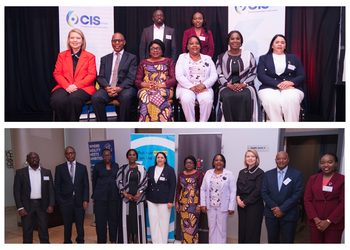
The figures formed part of discussions at a high-level engagement held in Windhoek this week, bringing together government, continental institutions and the private sector to strengthen Namibia’s readiness to fully utilise opportunities under the AfCFTA.
The Ministry of International Relations and Trade (MIRT) was represented at the event by Director of International Trade Asser Nashikaku on behalf of Executive Director Ndiitah Nghipondoka-Robiati.
In her opening remarks, Nghipondoka-Robiati described the AfCFTA as a cornerstone of Africa’s Agenda 2063 and a key instrument for expanding Namibia’s export base beyond traditional markets. She said effective implementation of the agreement is critical to increasing participation in regional value chains and supporting inclusive growth, particularly for micro, small and medium enterprises, as well as women and youth.
Despite strengthening trade links with Africa, NSA data show that 46.2% of Namibia’s exports and 52.6% of imports are still conducted with countries outside the AfCFTA framework, indicating significant scope for deeper continental integration.
Namibia’s main African export destinations remain South Africa, Botswana, Zambia, the Democratic Republic of Congo and Mozambique, while imports are largely sourced from South Africa, Botswana, Zambia, the DRC and Angola.
The AfCFTA, one of the African Union’s flagship initiatives, aims to progressively eliminate tariffs and non-tariff barriers, liberalise trade in services and promote cooperation in areas including investment, intellectual property rights and competition policy.
Nghipondoka-Robiati noted, however, that consultations with businesses continue to reveal limited access to consolidated, practical and user-friendly trade information as a key constraint to effective participation.
“Policy commitments alone are insufficient to deliver tangible AfCFTA benefits, as traders often face challenges navigating rules of origin, product classification, customs procedures, certification, documentation and border processes,” she said.
She added that the Step-by-Step Guide for Trading in Goods under the AfCFTA, together with the integration of AfCFTA content into the Namibia Trade Information Portal, is intended to address these challenges directly. The validation workshop, she said, was a critical step in ensuring that these tools are accurate, relevant and responsive to the needs of the business community.
Representing the private sector, Namibia Chamber of Commerce and Industry (NCCI) Chief Executive Officer Titus Nampala said the validation of the guide marked an important step in addressing long-standing concerns regarding the practical implementation of the AfCFTA.
He said businesses have consistently sought clarity on how to operationalise the agreement, adding that the guide helps translate policy commitments into practical and actionable steps.
Nampala further highlighted the AfCFTA’s potential to unlock growth opportunities for Namibian businesses across sectors including agro-processing, fisheries, manufacturing, energy, telecommunications and services.