Namibia’s partnership with the European Union (EU) and the Swedish Tax Agency on a training programme to combat illicit financial flows is expected to support national targets under the Sixth National Development Plan, which aims to reduce illicit flows from roughly 9 percent of GDP in 2025 to about 5 percent by 2030.
The initiative includes full participation from the Bank of Namibia, the Namibia Revenue Agency (NamRA) and the Financial Intelligence Centre (FIC).
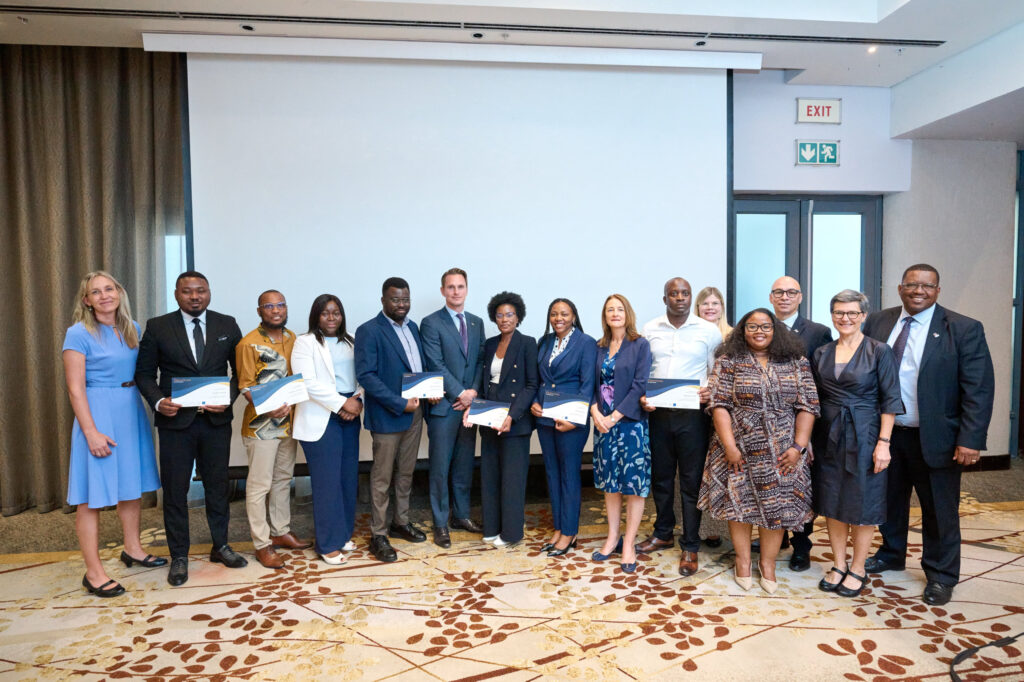
FIC Director Dr Bryan Eiseb, speaking at the completion of Namibia’s first year-long illicit financial flows training programme, said the initiative highlights the need for sustained capacity building across agencies responsible for safeguarding the financial system.
He warned that tackling illicit flows only as a tax problem would be too narrow in what he described as a “business unusual” environment, stressing the need for coordinated institutional action.
The programme, implemented under the EU-funded SecFin Africa project, focused on tax losses linked to Withholding Tax on Services and forms part of wider national efforts to address weaknesses identified in Namibia’s FATF grey listing.
A six-member Namibian team worked with Swedish technical coaches over the past year to assess the drivers of tax-related illicit flows and develop solutions tailored to Namibia’s economic and administrative framework.
According to the EU, the training has strengthened cooperation among domestic institutions and enabled knowledge exchanges with peer countries on the continent. A new Namibian cohort will take up a different illicit-flow challenge each year under the four-year collaboration.
EU Ambassador to Namibia, H.E. Ana Beatriz Martins, said the initiative demonstrates the value of long-term international cooperation.
“Today’s graduation shows how practical sustained partnership such as the SecFin Africa project translates into stronger institutions, improved financial integrity and real progress in addressing the root causes of IFFs,” she said.
Deputy Ambassador of Sweden to Namibia and South Africa, Kristian Olsson Selerud, said Sweden remains committed to helping African countries strengthen revenue systems, especially those most affected by tax evasion and organised financial crime.
STA Project Manager Caroline Österberg said the Namibian team excelled in applying the PDIA problem-solving method to what she described as a highly technical and complex thematic area. Team Namibia coach Suzan Uhlen praised the consistent engagement and commitment shown by participating officials throughout the year.
The SecFin Africa programme forms part of broader EU support to Namibia as the country works to strengthen compliance frameworks, improve information-sharing and address regulatory weaknesses highlighted by FATF. Organisers said the next cohort is expected to begin training early next year, continuing efforts to reduce illicit flows and protect domestic revenue.