The Ministry of Health and Social Services (MoHSS) has announced new measures to expand the country’s pharmacy workforce and improve access to pharmaceutical services in rural areas as part of ongoing efforts to strengthen Namibia’s healthcare system.
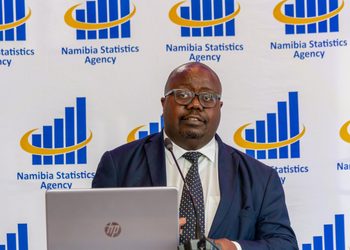
Speaking at the launch of National Pharmacy Week, Johannes Gaiseb, Deputy Director in the MoHSS, said the ministry is exploring rural placement incentives, structured rotational programmes and enhanced training opportunities to address the uneven distribution of pharmacists across the country.
“Workforce distribution remains a major challenge. Namibia has a limited number of pharmacists, most concentrated in urban areas while the greatest need lies in rural regions. This imbalance leaves many patients without access to pharmaceutical care. We must explore strategies such as rural service incentives and structured rotational programmes to bridge this gap,” he said.
Gaiseb noted that while both the public and private health sectors face distinct challenges, each plays an essential role in Namibia’s healthcare framework. In the public sector, he said, pharmacists often manage stock control and logistics with limited resources to ensure essential medicines reach patients in remote areas.
In the private sector, he said , pharmacists balance professional ethics with business sustainability while providing personalised care and counselling.
To strengthen the profession, Gaiseb said the ministry remains committed to continuous professional development through partnerships with universities, the Pharmacy Council, and international organisations including the World Health Organization (WHO), the Centres for Disease Control and Prevention (CDC), and USAID.
These collaborations the ministry said, aim to equip pharmacists with the skills to address modern health challenges such as antimicrobial resistance and the growing importance of digital health.
“The contrast between international practice and our local reality is not a reason for discouragement; it is a call to action. Other nations have successfully integrated pharmacists into primary healthcare and funded pharmacy-led services based on measurable impact. We can achieve the same if we have the courage to recognise and elevate the pharmacist’s role in our health system,” Gaiseb said.