By Bianca Schmidt
In Namibia, financial planning is increasingly acknowledged as a cornerstone of financial well-being and long-term security.
Yet, many individuals particularly young professionals and low-income earners remain hindered by misconceptions and delays that compromise their ability to plan effectively.
These barriers not only affect individual outcomes but also have broader social and economic implications for the country.
Retirement is a Concern for the Future
A prevailing belief is that retirement planning is only relevant later in life. Consequently, many Namibians delay saving until they reach their 40s or 50s periods that typically coincide with greater financial obligations such as mortgages, education costs, and family responsibilities.
Starting early, however, allows individuals to harness the benefits of compound interest. Even modest contributions in one’s 20s or 30s can yield substantial growth over time, significantly easing the path toward retirement security.
Retirement Fund Membership Equals Security
Many employees assume that belonging to a retirement fund guarantees financial stability at retirement.
Unfortunately, this is often a false sense of security. Without professional guidance, members may fail to optimise their contributions or understand the benefits available to them.
In Namibia, less than 5% of employees contribute sufficiently to meet their retirement needs. Retirement benefit counselling is therefore essential to bridge the knowledge gap and enable informed decision-making.
Over-Reliance on Online Tools
Retirement calculators and digital tools provide useful estimates but cannot capture personal variables such as risk averseness, healthcare expenses, or lifestyle changes. While technology can assist, professional financial advice remains indispensable in creating a realistic, tailored financial plan.
Misconceptions that hinder Progress
Limited Financial Literacy
Financial literacy remains a significant challenge in Namibia. A lack of accessible education aggravated by language barriers and insufficient outreach limits many individuals’ ability to make informed decisions.
This is particularly evident in rural areas, where awareness of financial products and principles is low.
Cultural Pressures and “Black Tax”
The cultural expectation of supporting extended family, commonly referred to as black tax, is deeply rooted in Namibian society. While anchored in Ubuntu the philosophy of collective care often places young professionals under immense financial strain.
Obligations such as funding siblings’ education or contributing to household expenses can delay investment in retirement savings, property ownership, and emergency funds. The financial and emotional burden of these expectations often leads to stress, guilt, and burnout, particularly when boundaries are not established.
Economic Uncertainty
With 75% of Namibians earning the same or less than they did three years ago, many households have shifted their focus to short-term survival rather than long-term financial planning. This environment of uncertainty amplifies financial stress and discourages investment in the future.
Money Personality and Behaviour
An often-overlooked factor in financial planning is the concept of “money personality”the ingrained attitudes and behaviours individuals hold towards money, shaped by upbringing, culture, and life experiences. Recognising one’s money personality is key to avoiding common pitfalls and cultivating healthier financial habits.
Overreliance on a Single Income Stream
Almost half of Namibians rely solely on one income source, leaving them vulnerable to financial shocks. Developing additional income streams whether through entrepreneurial ventures, freelance work, or other means can enhance financial resilience and create pathways.
Saving Postponed Until Higher Income or Debt Repayment
Another misconception is that saving should begin only once an individual earns more or becomes debt-free. In reality, consistent saving regardless of income level matters more than the size of contributions. Simultaneously managing debt while saving, even modestly, creates discipline and preserves valuable growth time.
Debt as the Default Financing Mechanism
Although debt can play a constructive role in achieving certain goals, excessive reliance particularly for discretionary spending such as holidays or luxury goods undermines wealth creation. The cumulative cost of interest payments often outweighs the benefits derived from such purchases.
Early Cashing-Out of Pension Benefits
Cashing out retirement savings upon changing employment is another common misstep. Early withdrawals not only diminish accumulated savings but also attract tax penalties. The long-term impact is severe, requiring far greater contributions later in life to bridge the resulting shortfall.
Financial Planning as an Exclusive Service
There remains a widespread perception that financial planners are reserved for the wealthy. This misconception leads many to attempt navigating complex financial decisions alone, often with costly consequences. In reality, professional planners provide valuable guidance tailored to individual circumstances, regardless of income bracket.
Financial Inclusion Misunderstood
Ownership of a bank account is often equated with financial inclusion. However, genuine inclusion requires access to and effective use of financial products such as savings tools, insurance, and credit facilities. Many Namibians, particularly in rural areas, remain excluded due to dormant or underutilised accounts.
Conclusion
Financial planning is not a privilege for the few but a necessity for all. Dispelling misconceptions, strengthening financial literacy, and seeking professional guidance can help Namibians take control of their financial futures. With consistent effort and informed decision-making, individuals can overcome structural and cultural barriers, ensuring both personal stability and broader economic resilience.
Pathways to Financial Well-Being
Despite these challenges, Namibians can take concrete steps to improve their financial outlook:
– Begin saving early: Even small contributions compound meaningfully over time.
– Seek professional guidance: Engaging a financial planner or coach helps tailor strategies to individual needs and goals.
– Prioritise financial education: Platforms such as the Financial Literacy Initiative (FLI) and member education sessions offered by retirement funds and institutions like Alexforbes provide critical guidance.
– Foster open dialogue: Transparent discussions within families about financial expectations are essential for setting boundaries and managing obligations.
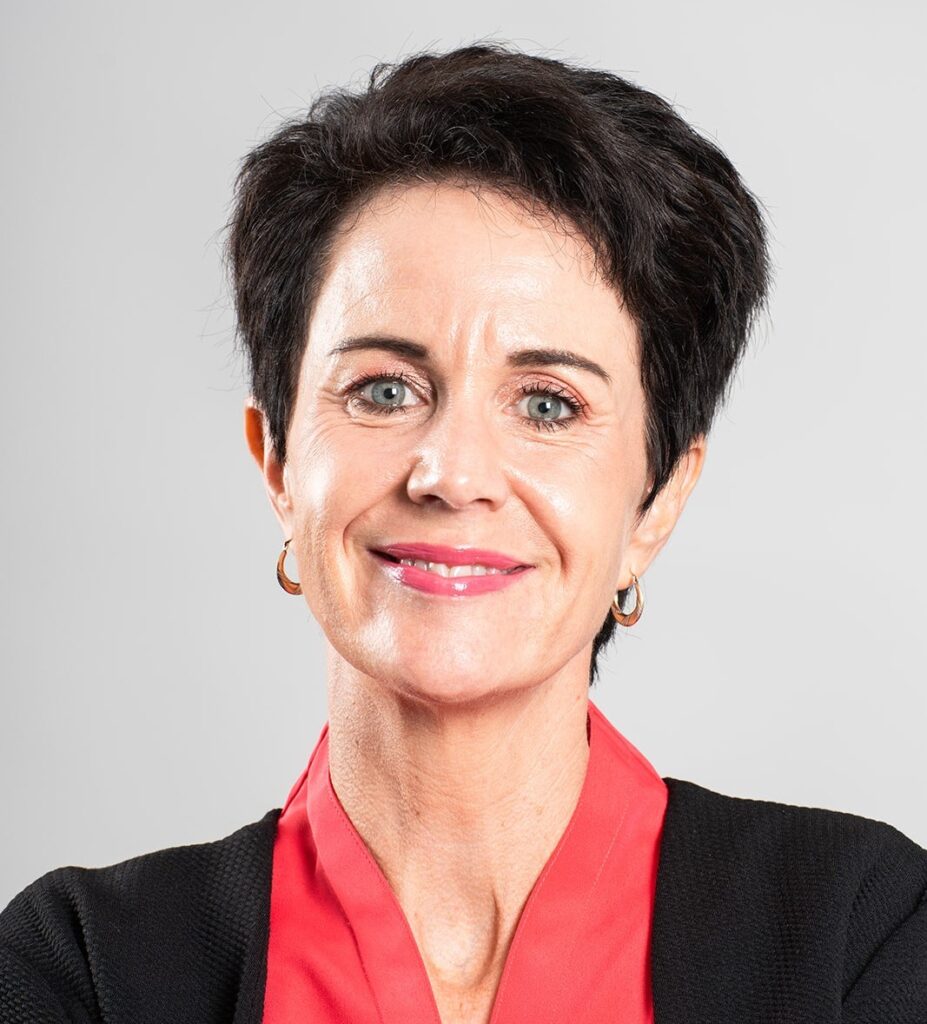
* Bianca Schmidt is the Head of Individual Client Consulting (ICC) Namibia