Africa has emerged as a global leader in mobile money services in recent years, which has significantly transformed the financial services industry on the continent. Beyond technology, this revolution has stimulated economic growth, entrepreneurship, and individual empowerment.
The rapid expansion of mobile money services has emerged as an essential element of financial inclusion, with platforms like M-Pesa in Kenya, MTN Mobile Money in West Africa, Orange Money in Botswana, and EcoCash in Lesotho allowing millions to transfer, receive, and hold money without traditional bank accounts.
These services, supported by mobile money agents, increase accessibility for customers particularly in areas that are not served or are underserved. Mobile money has become a lifeline for many, allowing users to manage their finances directly through their mobile phones.
More than $1.1 trillion flowed through mobile money platforms in 2024, with Africa accounting for 66% of all transactions. About 100 billion kwacha worth of transactions were recorded in Zambia alone in a single month, demonstrating how quickly mobile money is being adopted.
These services have addressed key barriers to financial inclusion, especially in remote areas lacking traditional banking infrastructure. Lower transaction costs and simplified processes have made financial services more accessible to low-income individuals and small businesses, while digital wallets provide a safer alternative to carrying cash.
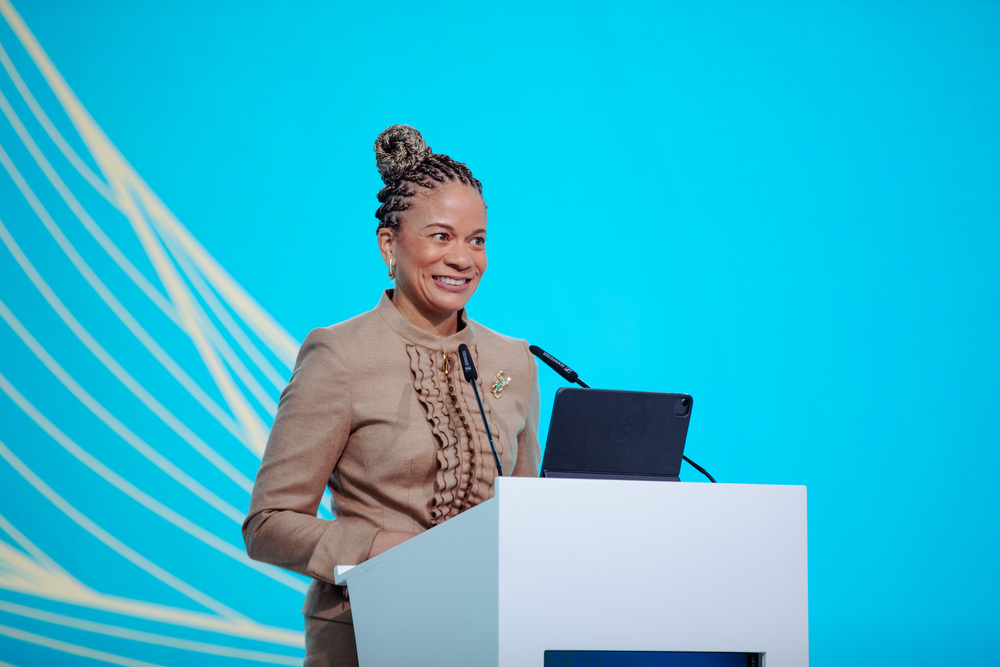
In a keynote speech at the Alliance for Financial Inclusion (AFI) Global Policy Forum in Swakopmund on Friday, Nangula Kauluma, CEO of FNB Broader Africa Retail, said entrepreneurs, particularly women, have harnessed mobile money to expand their businesses.
“Small vendors can now accept payments through mobile platforms, broadening their customer base without needing physical points of sale,” she said.
Given that 60% of Africans are under 25, Kauluma said that young people on the continent are creating and consuming services in new ways, indicating a change in culture that forces them to look for seamless access to financial services.
“The youth are looking for the same ease and accessibility they get in their everyday lives in their financial services,” she said. “They are choosing platforms that empower them, that are frictionless and give them the flexibility to access financial services in the way that suits them.”
She said regulators and policymakers across the AFI network are leveraging collective wisdom to unlock this potential responsibly. “This consensus, developed and endorsed by AFI members, provides a framework to advance innovation that is inclusive, safe, and sustainable, ensuring that the imagined future of an empowered and connected Africa is not just aspirational but achievable.”
Kauluma said FNB’s eWallet solution, first launched in South Africa in 2009, has expanded across several countries, boasting over 8.2 million users and facilitating significant remittance values. This service, which is backed by a network of CashPlus agents, is an example of how mobile solutions may offer financial access without the need for a bank account.
Despite these advancements, challenges persist. According to Kauluma, significant usage gap remains, driven by factors such as digital literacy, affordability, and connectivity in remote areas.
“While women represent a large proportion of entrepreneurs, they often face barriers to accessing capital and credit, resulting in less profitable businesses compared to their male counterparts. The regulatory landscape is also rapidly evolving, necessitating a careful balance between consumer protection and innovation in financial services.”
In addition to paying attention to cybersecurity and data privacy concerns, she said continued investments in telecom infrastructure, interoperable payment systems, and affordable devices is required.
“As Africa continues to lead the mobile money revolution, the continent is not only participating in the global financial landscape but also setting an example for others to follow. The future of financial inclusion in Africa hinges on collaboration, innovation, and a commitment to meeting the diverse needs of its population.”