Namibia is banking on the upcoming 20th Conference of the Parties (CoP20) to the Convention on International Trade in Endangered Species (CITES) for approval to legally sell its elephant ivory stockpile, following the submission of a formal proposal.
The summit, set to take place in Samarkand, Uzbekistan, from 24 November to 5 December 2025, will see Namibia’s case for regulated ivory trade tabled before the international community.
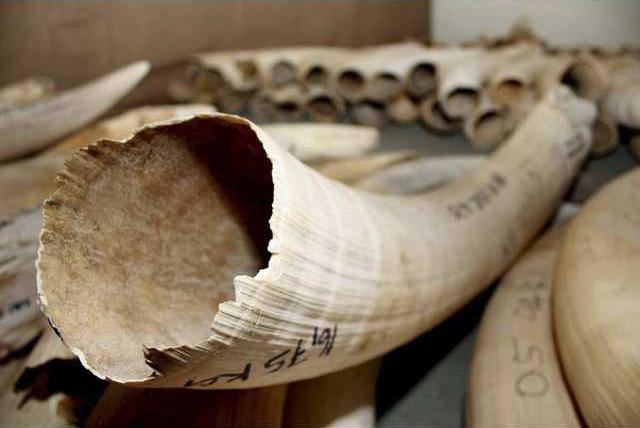
The country currently holds an ivory stockpile weighing 92,386.52 kilograms, valued at an estimated N$166 million.
According to the Ministry of Environment, Forestry and Tourism (MEFT), this stockpile includes ivory from natural elephant deaths and population management (44,840.78 kg), law enforcement seizures (46,117.79 kg), and ivory of undetermined origin (1,427.52 kg).
Rather than destroying its ivory, Namibia has taken the position that a tightly regulated trade in raw ivory—including whole tusks and fragments—through CITES-approved partners could deliver both conservation and economic benefits.
“Namibia does not believe in the destruction of its natural resources. These ivory stocks can instead generate vital revenue to fund wildlife conservation programmes and support rural communities living alongside elephants,” said MEFT Spokesperson Ndeshipanda Hamunyela in an interview with The Brief.
She added that all ivory in the government’s possession is believed to have originated within Namibia’s borders, based on the country’s data and tracking systems.
The proposal underscores Namibia’s argument that effective anti-poaching measures, strong law enforcement, and community partnerships have kept elephant poaching at low levels—supporting its readiness for a legal, controlled ivory trade.
“Despite high demand for ivory in some parts of the world, Namibia has managed to maintain low poaching levels. This success strengthens our case for legal trade, as we can demonstrate effective management and enforcement,” Hamunyela said.
Namibia also holds a substantial rhino horn stockpile.Like the ivory, this is the result of both conservation and anti-poaching efforts.
The CITES submission has sparked debate among conservation groups. While some commend Namibia for pursuing a structured solution that could fund conservation, others warn that any legal trade could risk reigniting black market demand.
Still, Namibia argues that burning ivory achieves little in curbing illegal trade and wastes resources that could support biodiversity protection and rural livelihoods.
A decision at CoP20 could make Namibia one of the first African countries in over a decade to be granted legal permission to sell ivory under stringent international safeguards. Until then, the stockpile remains securely stored as the country awaits a ruling that could reshape its conservation funding model.