Namibia’s capacity to report on Sustainable Development Goal (SDG) indicators has increased to 71% in 2025 from 66% in 2019, although gaps in data availability remain as the country approaches the 2030 deadline.
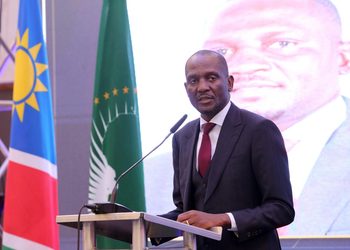
Prime Minister Elijah Ngurare said Namibia could now report on 176 of the 248 SDG indicators, compared with 162 of 244 indicators in 2019, reflecting an improvement in the country’s statistical reporting capacity.
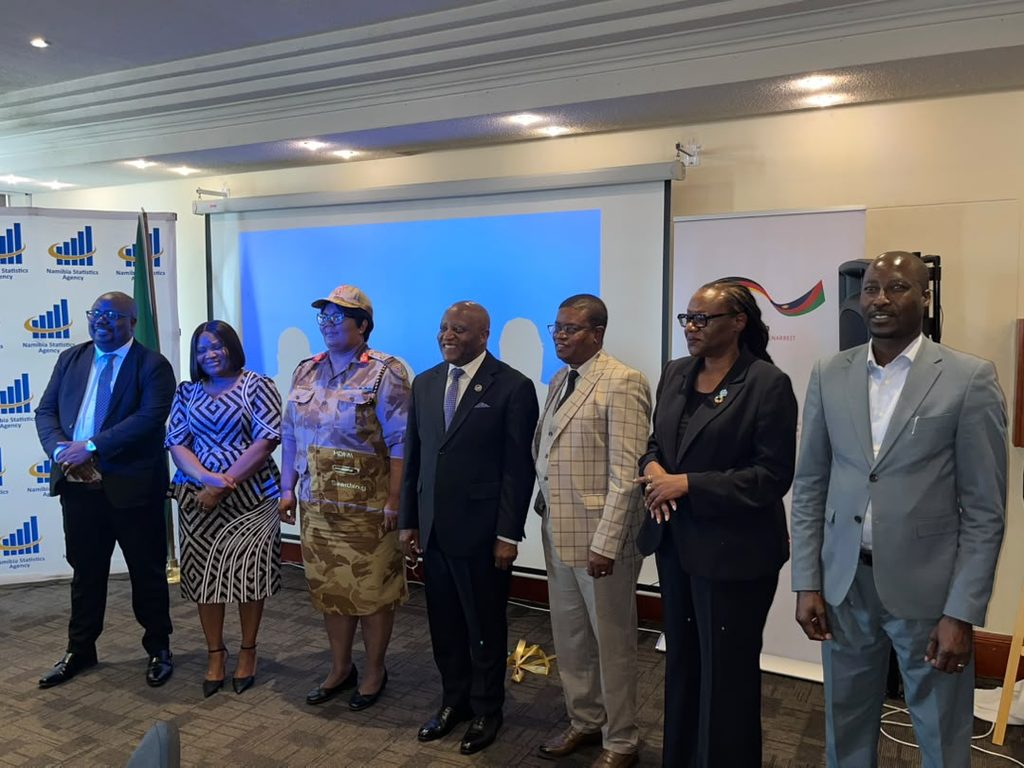
Speaking at the launch of the 2025 Sustainable Development Goal Indicator Framework and Portal in Windhoek on Wednesday, Ngurare said the improvement demonstrated progress in national data collection and reporting but warned that more work was required to strengthen the availability, quality and consistency of statistics.
“These figures demonstrate the progress we are making as a country, which must be applauded. In addition, the figures remind us that data availability must be maintained and improved continuously,” he said.
The 2025 framework is Namibia’s third SDG monitoring framework, following the initial publication in 2019 and an update in 2021.
It outlines the indicators used to monitor national development, including their definitions, data sources, responsible institutions and the availability of information required to measure progress.
Ngurare stressed that the framework was not a measure of whether Namibia had achieved the SDGs, but rather a statistical tool to assess progress, identify development gaps and guide government interventions.
He said Namibia continued to face major development challenges, including poverty, income inequality, youth unemployment, food insecurity and unequal access to quality social services.
Climate change, recurring droughts and water scarcity were also placing additional pressure on the country’s development efforts.
The Prime Minister said the Sixth National Development Plan (NDP6), covering the 2025/26 to 2029/30 period, was aligned with the SDGs and prioritised wealth creation, reducing inequality and expanding employment opportunities.
He called on government ministries, offices and agencies to regularly update and validate development data to improve accountability and ensure that policies were informed by reliable statistics.
Ngurare said Namibia needed to move beyond development commitments and focus on implementation, measurable results and accountability as the 2030 deadline approaches.
Meanwhile, United Nations Development Programme (UNDP) Country Representative Amanda Serumaga said reliable and accessible statistics were essential for translating national development priorities into measurable outcomes.
She said the United Nations Sustainable Development Cooperation Framework for Namibia (2025–2029), aligned with Vision 2030, NDP6 and the global 2030 Agenda, identified strengthening the National Statistics System as a priority.
Serumaga said the newly launched SDG portal would improve public access to development statistics, enabling policymakers, researchers, students and civil society organisations to monitor progress and assess policy outcomes.
“The production of statistics is only one component of the process. Data delivers its true value when it informs decision-making, shapes policy, strengthens accountability, and improves service delivery,” she said.
She reaffirmed UNDP’s commitment to supporting the government and the Namibia Statistics Agency in improving statistical capacity and expanding the collection and use of disaggregated data, particularly for young people and marginalised communities.
The framework and portal are expected to support national monitoring of Namibia’s progress towards achieving the SDGs by 2030.