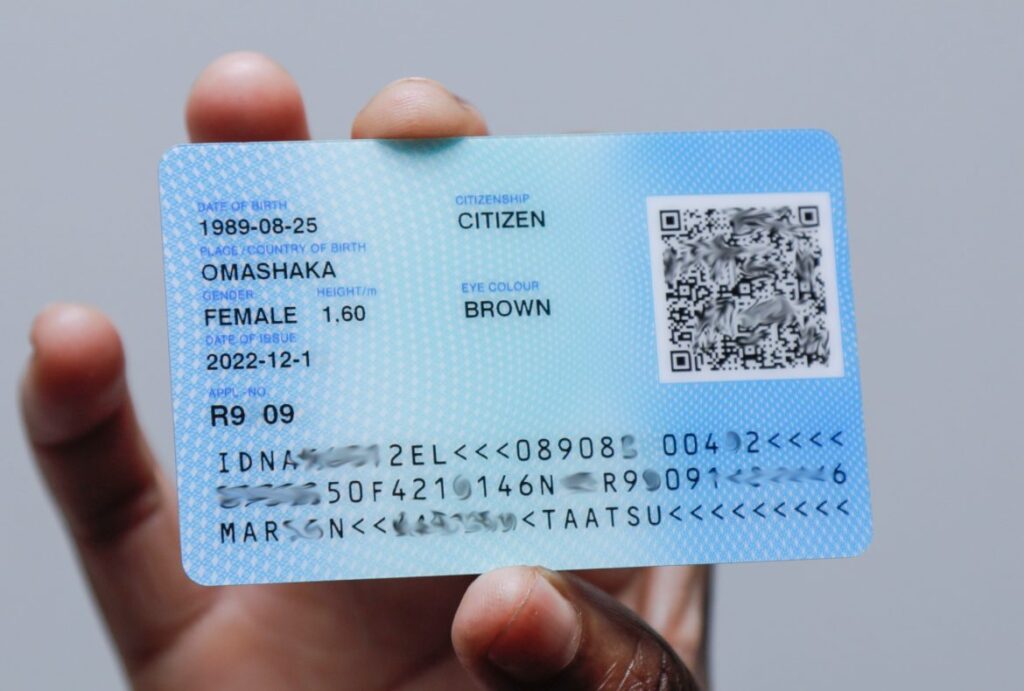
Namibia’s planned Electronic Identity Card (EID) system is facing questions over whether rural communities will be able to reliably access government services that depend on digital identity verification, amid concerns over poor network connectivity, electricity outages and the cost of supporting infrastructure.
MP Wilhelm Amutenya raised the concerns during a presentation on the planned EID system, questioning whether communities in remote areas would have affordable access to devices capable of reading the electronic cards.
He also questioned what would happen when electricity or network services were unavailable, particularly where citizens depend on government services such as social assistance.
“When the power gets off and the network is gone, are we sure that we are not going to deprive citizens of getting services because there is no authentication?” Amutenya said.
He contrasted the planned system with existing identity cards, where officials can physically compare the photograph on the card with the person presenting it without requiring an electronic authentication system.
The Ministry of Home Affairs, Immigration, Safety and Security plans to introduce EIDs containing personal information including a person’s name, identity number, date of birth, facial image and fingerprints.
The cards will also contain digital certificates that can be used for authentication and electronic signatures as government services become increasingly digitised.
Cybersecurity and the resilience of the supporting infrastructure also came under scrutiny.
MP Evilastus Kaaronda questioned whether Namibia’s systems would be sufficiently protected against cyberattacks and asked what guarantees were in place to prevent citizens’ personal information from being compromised.
“Do we really need digital in Namibia? On top of that, what is the budget that you have budgeted for this exercise? And the other part is the issue of hacking. Will your system not be hacked?” Kaaronda said.
Government officials said the population register would be replicated in real time and backed up at two locations, while lost or stolen EIDs could be blacklisted.
Officials, however, acknowledged that no system could be guaranteed to be completely protected against cyberattacks.
The cost of replacing lost cards also drew questions. Deputy Minister of Health and Social Services Susan Ndjaleka said replacement fees had previously ranged from N$150 for a first loss to N$750, but a proposal is being considered to maintain the fee at N$150.
People unable to afford the fee may apply for a Treasury exemption through their councillor.
The Ministry of Home Affairs said the rollout is expected to begin once the required regulations are finalised and signed.
Existing identity cards will be phased out gradually rather than immediately replaced. People who lose their existing cards and children reaching the new minimum eligibility age of 14 will receive EIDs.
The electronic identity system is eventually expected to integrate with government services through the NamX interoperability platform.